
Paint & Coatings

Paint & Coatings

Luvotix R-RF

Luvotix R-RF is an inorganic modified rheology additive based on castor oil. This free-flowing powder is designed to thicken and provide thixotropic behavior in low- to medium-polarity liquid organic systems, particularly in solvent-based formulations. It is widely used in coatings, paints, putties, adhesives, and sealants.

Benefits:
  • Rheological Modifier: Luvotix R-RF primarily functions as a rheology modifier, meaning it influences how a liquid behaves under stress, particularly flow and viscosity.
  • Thickening and Thixotropy: It thickens systems and creates a thixotropic effect, meaning the viscosity decreases under shear (e.g., during application) and increases when the material is at rest, preventing sagging and settling.
  • Low to Medium Polarity Systems: It is specifically designed for use in systems with a moderate level of polarity, which is a measure of a molecule’s charge distribution.
  • Inorganic Modification: The “inorganic modification” suggests the additive includes inorganic components that enhance its performance characteristics.
  • Powder Form: Luvotix R-RF is a free-flowing powder, making it relatively easy to disperse in various formulations.
Properties:
  • Paints and Coatings: Improves flow, leveling, and sag resistance, and enhances application properties like brushability and sprayability.
  • Adhesives and Sealants: Contributes to improved stability, application characteristics, and sag resistance.
  • Putties: Helps control rheology, improve leveling, and prevent settling.
  • Powder Coatings: Can be used as a flow and leveling agent.
Luvotix R

Luvotix R is a rheological additive, specifically a modified castor oil derivative, used as a thickener and thixotropic agent in various applications like paints, coatings, adhesives, sealants, and putties. It controls the rheological properties of liquid organic systems, particularly those with low to medium polarity. Luvotix R also functions as an anti-settling agent and improves leveling and application properties.

Benefits:
  • Rheological Modifier: Luvotix R alters the flow and viscosity of liquid systems, providing thickening and thixotropic properties.
  • Thixotropy: It creates a non-Newtonian flow behavior, meaning the viscosity changes with shear rate, which can be useful for preventing sagging and improving leveling.
  • Anti-Settling Agent:
    It helps prevent pigments and fillers from settling out of the formulation during storage.
  • Suitable for: Low to medium polar liquid organic systems and some powder coating applications.
Properties:
  • Paints and Coatings: Used in solvent-borne and powder coating formulations.
  • Adhesives and Sealants: Enhances application properties and prevents sagging.
  • Putties: Helps control rheology and improve application.

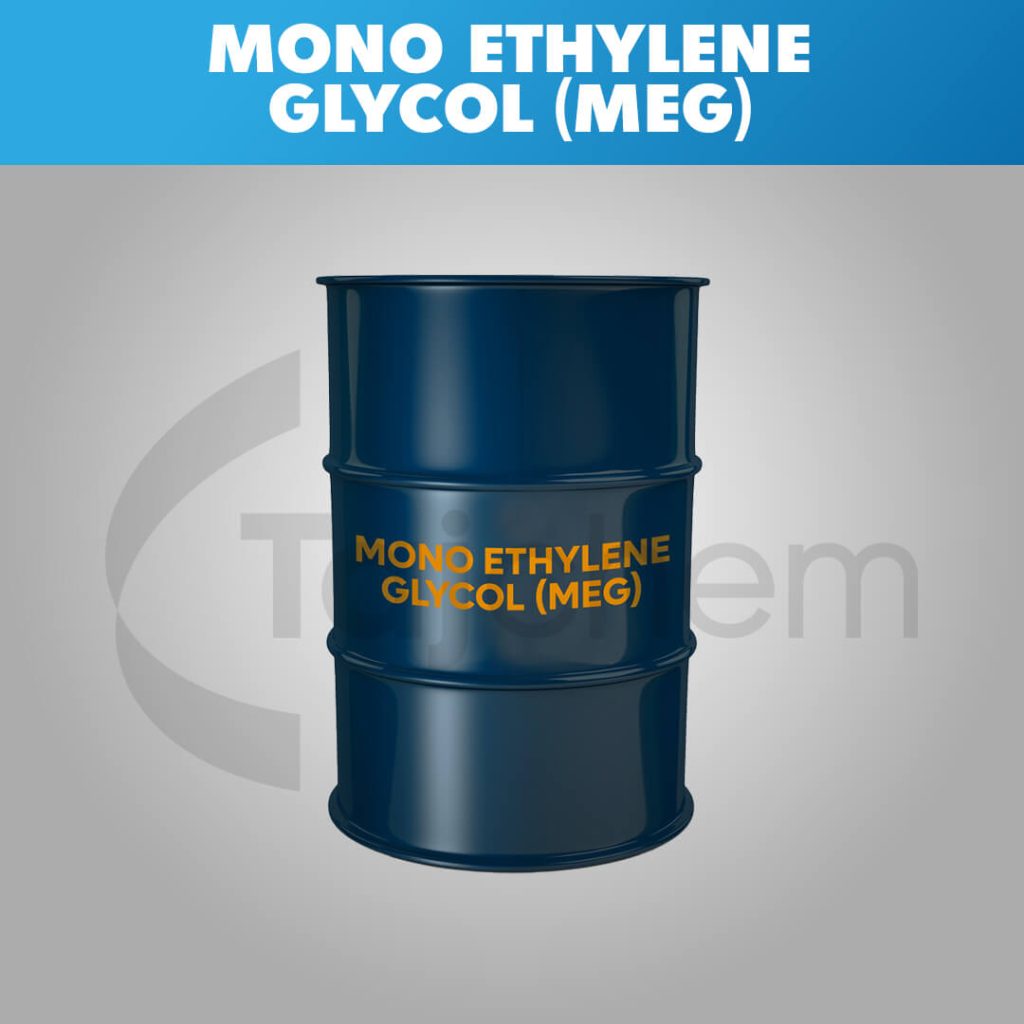
Monoethylene glycol (MEG)

Monoethylene glycol (MEG) finds application in paints, coatings, and inks as a solvent, humectant, and plasticizer, enhancing their properties and performance. It acts as a wetting agent, improves flow, and helps control drying time, while also contributing to the formulation of alkyd resins used in various coatings.

Properties:
  • Physical State: Clear, colorless, and slightly viscous liquid.
  • Odor: Virtually odorless.
  • Taste: Sweet taste.
  • Miscibility: Miscible with water, alcohols, and many organic compounds.
  • Hygroscopic: Absorbs moisture from the air.
  • Volatility: Low volatility.
Applications:

Applications in Paints and Coatings:

  • Solvent: MEG is used as a solvent in custom formulations of paints and coatings, helping to dissolve and disperse various components.
  • Humectant: Being hygroscopic, MEG helps retain moisture in water-based paints, preventing premature drying and improving application properties.
  • Plasticizer: It acts as a plasticizer, improving the flexibility and durability of coatings.
  • Alkyd Resin Production: MEG is a key reactant in the production of alkyd resins, which are widely used in paints, enamels, and varnishes.
  • Wetting Agent: MEG can act as a wetting agent, improving the spreading and adhesion of paints on surfaces.
    Applications in Printing Inks:
  • Solvent: MEG acts as a solvent in printing inks, aiding in the dispersion of pigments and resins.
  • Drying Retardant: In water-based inks, MEG can help to slow down the drying process, preventing rapid evaporation and allowing for better ink flow and transfer.
  • Viscosity Control: MEG can be used to adjust the viscosity of inks, ensuring optimal print quality and flow.
  • Wet-Edge Retention: It can improve the wet-edge time of inks, allowing for better overlapping of printed areas and preventing dry-out during printing.

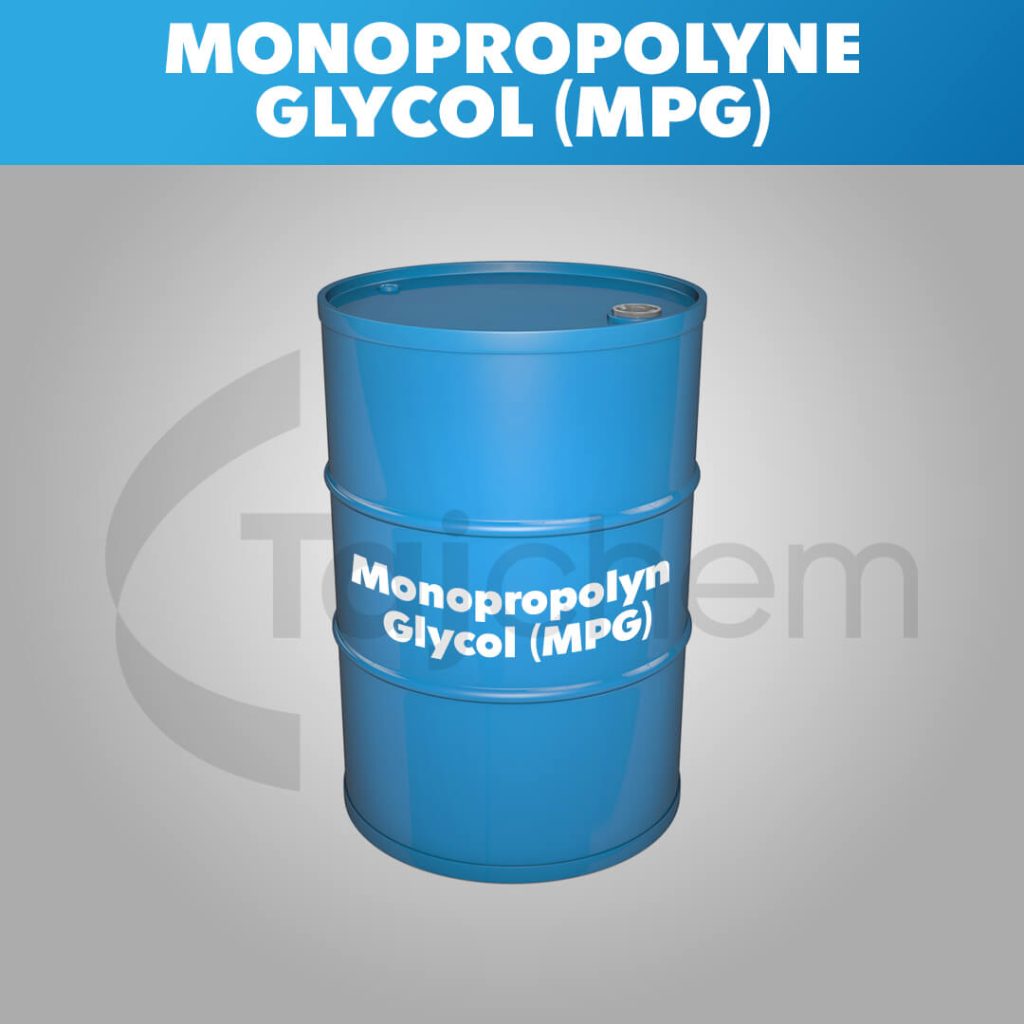
Monopropylene glycol (MPG)

Monopropylene glycol (MPG) is a versatile solvent used in paints, coatings, and inks, primarily as a coalescing agent and humectant. It helps improve paint film formation, provides freeze-thaw stability in latex paints, and can be used in alkyd resins. In inks, it acts as a solvent and can help reduce emissions during UV curing processes.

Properties:
  • Appearance: Clear, colorless, and viscous liquid.
  • Odor: Practically odorless.
  • Solubility: Highly soluble in water, alcohols, esters, and ketones.
  • Hygroscopic: Readily absorbs moisture from the air.
  • Low Toxicity: Relatively low toxicity, making it suitable for various applications.
  • Antifreeze: Reduces the freezing point of water, used in automotive and aircraft de-icing.
  • Humectant: Attracts and retains moisture, used in personal care products
Applications:

Applications in Paints and Coatings:

  • Paints and Coatings: Coalescing Agent: MPG facilitates the fusion of paint particles during application, resulting in a smooth, uniform, and long-lasting finish
  • Freeze-Thaw Stability: In latex-based paints, MPG helps prevent damage caused by freezing and thawing cycles.
  • Alkyd Resin Production: MPG is a key ingredient in alkyd resin manufacturing, influencing the flexibility and hardness of the final coating Inks.
  • Solvent: MPG acts as a solvent in printing inks, helping to carry the pigments and other components.
  • UV Curing: In UV-curable inks, MPG helps reduce emissions and lower energy consumption during the curing process.

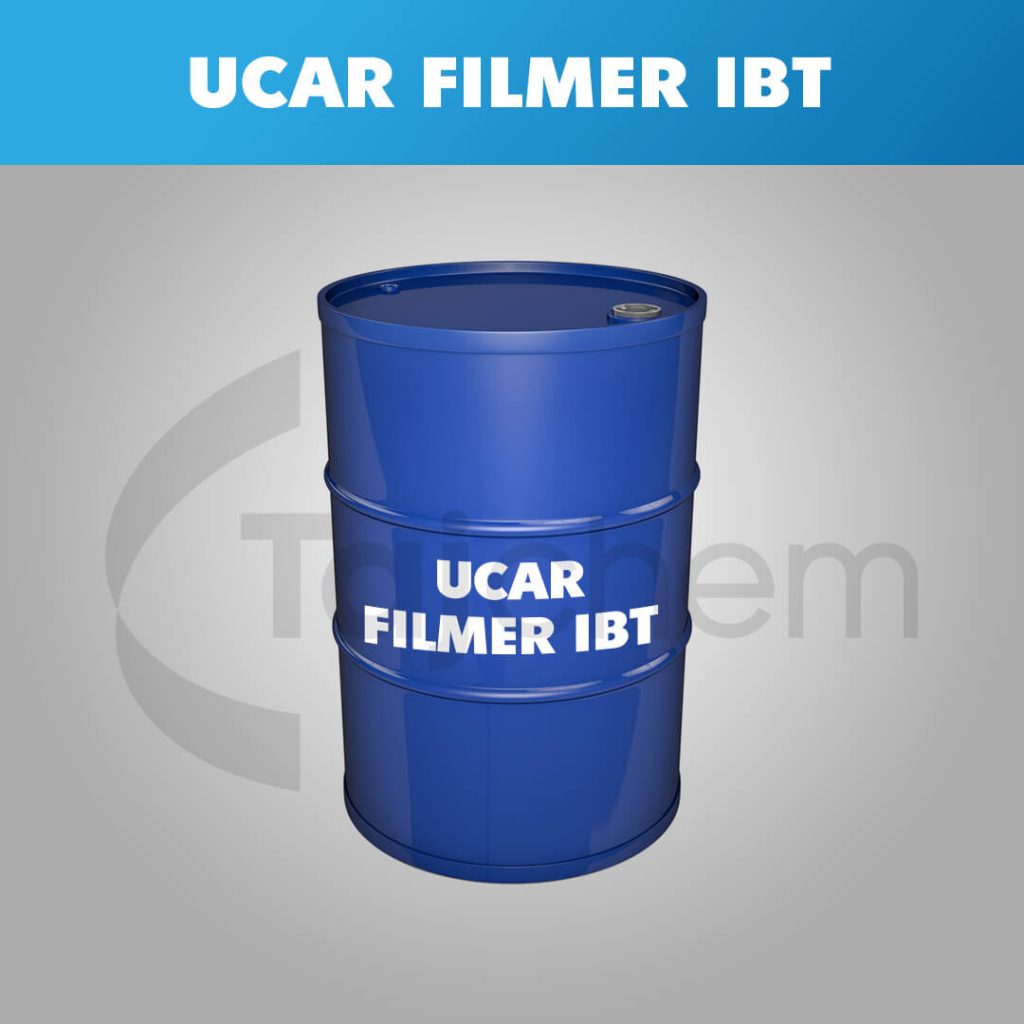
Ucar Filmer IBT

UCAR Filmer IBT is a glycol ether solvent, specifically a coalescing agent, used in various applications like paints, coatings, and personal care products. It’s known for its slow evaporation rate, good solvency, and high scrub resistance. It’s also a non-HAP (Hazardous Air Pollutant) solvent and exhibits excellent hydrolytic stability.

Properties:
  • Appearance: Clear, colorless liquid.
  • Coalescing Agent: UCAR Filmer IBT is primarily used as a coalescing agent in latex paints, helping to form a continuous film during drying.
  • Solvent: It acts as a solvent in various formulations, including lacquer thinners, wood lacquers, printing inks, and personal care products.
  • Non-HAP: It’s a non-HAP solvent, meaning it doesn’t contribute to hazardous air pollutants.
  • Slow Evaporation: Its slow evaporation rate allows for better film formation and prevents premature drying.
  • High Scrub Resistance: It provides high scrub resistance in coatings.
  • Hydrolytic Stability: It’s stable in the presence of water, making it suitable for various applications.
  • Miscibility: It’s miscible with many common organic solvents.
Applications:
  • Paints and Coatings: Used as a coalescing agent in architectural and industrial coatings.
  • Printing Inks: Used as a solvent and coalescing agent in printing inks.
  • Personal Care Products: Used in fragrances, cosmetics, and other personal care products.
  • Lacquer Thinners: Used as a solvent in lacquer thinners.
  • Wood Lacquers: Used as a solvent in wood lacquers.

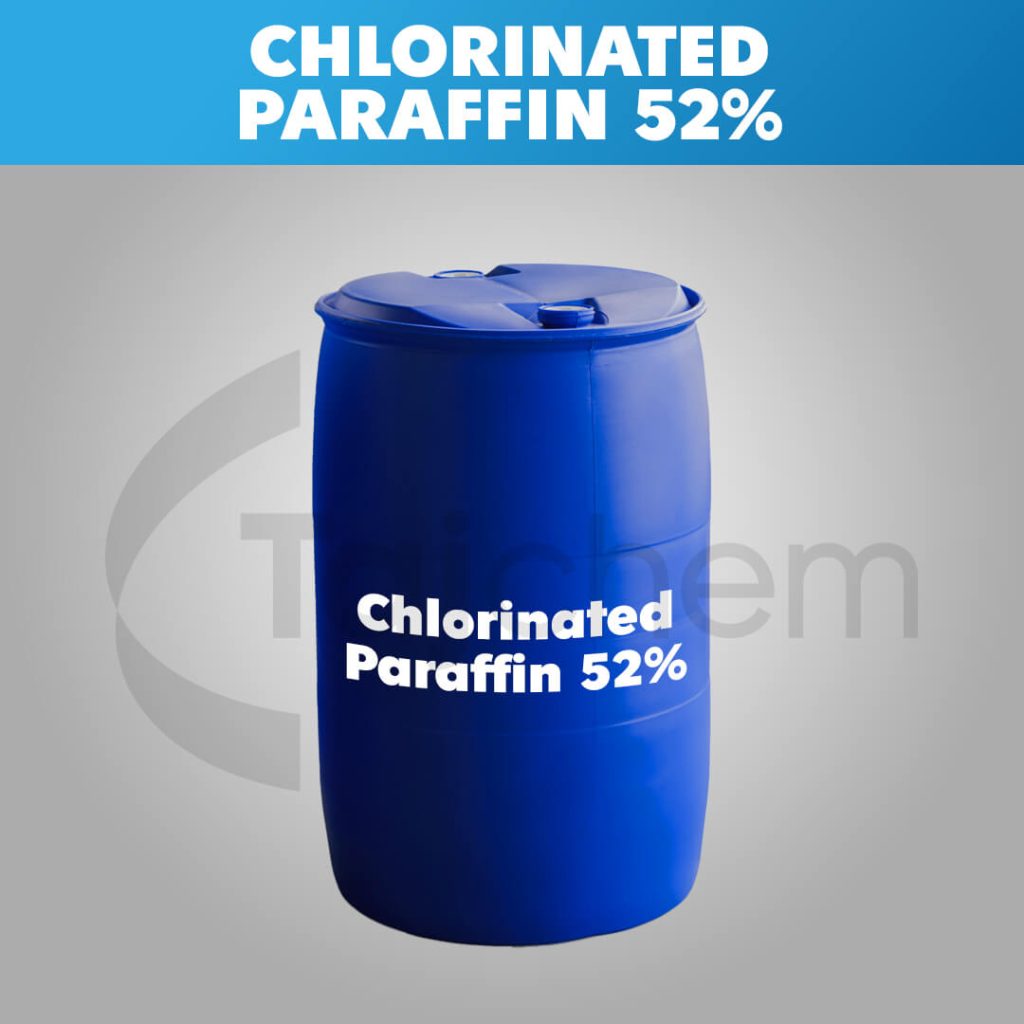
CPW 52

CPW 52, also known as Chlorinated Paraffin 52, is a liquid chemical compound primarily used as a flame retardant and secondary plasticizer in various applications, especially in PVC products. It’s a white to light yellow, viscous liquid that is known for its low volatility, good electrical insulation properties, and chemical stability.

Properties:
  • Appearance: A clear to yellowish, oily liquid.
  • Volatility: Low, meaning it doesn’t evaporate easily.
  • Flame Retardancy: Acts as a flame retardant, making it useful in materials that need to resist ignition.
  • Plasticizing: Used as a secondary plasticizer in PVC, improving flexibility and workability.
  • Electrical Insulation: Provides good electrical insulation properties.
  • Solubility: Insoluble in water, but soluble in various hydrocarbons and chlorinated solvents.
Applications:
  • PVC Products: Widely used in PVC cables, wires, floor sheets, hoses, and other products to enhance flame retardancy and flexibility.
  • Coatings: Added to paints and coatings to improve flame resistance and durability.
  • Rubber Products: Used as an additive in rubber to improve certain properties.
  • Lubricants: Can be used as an additive in lubricating oils to enhance performance and improve film strength.
  • Other Applications: Also used in sealants, adhesives, and printing inks.

Yuron CR-20

Yuron CR-20 is a chlorinated rubber known for its low viscosity and high chemical stability. It’s a white powder, free of carbon tetrachloride (CTC), and is primarily used as a binder in various paint and coating applications.

Properties:
  • Appearance: White powder.
  • Chemical Resistance: Exhibits excellent resistance to chemicals, solvents, and atmospheric conditions.
  • Weather Resistance: Shows good resistance to weather, saltwater, and ultraviolet (UV) radiation.
  • Adhesion: Provides strong adhesion to substrates like steel and concrete.
  • Compatibility: Compatible with a wide range of resins and plasticizers.
  • Low Viscosity: Its low viscosity makes it suitable for various coating formulations.
  • Binder: Functions as a binder in anti-corrosion coatings and in combination with alkyd and acrylic resins.
Applications:

Used in anti-corrosive paints, marine paints, flame-retardant paints, road marking paints, and adhesives.

Yuron CR-10

Yuron CR-10 is a chlorinated rubber (CR) known for its low viscosity and high chemical stability. It is a carbon tetrachloride (CTC)-free product and is used as a binder in anti-corrosion and marine coatings, as well as a component in flame-retardant and road marking paints.

Properties:
  • Low Viscosity: Suitable for various coating applications.
  • High Chemical Stability: Resists various chemicals, weathering, and UV exposure.
  • Good Adhesion: Provides strong adhesion to both steel and concrete surfaces.
  • Compatibility: Compatible with many resins and plasticizers.
  • CTC-Free: Does not contain carbon tetrachloride.
  • Soluble in various organic solvents like toluene and xylene.
  • Insoluble in ethanol-aliphatic solvents.
  • Stable at ambient temperatures, but degrades slowly under prolonged heating.
  • Can be combined with other resins and plasticizers.
Applications:
  • Anti-corrosion Coatings: Used in marine and industrial coatings.
  • Road Marking Paints: Contributes to durability and visibility.
  • Flame Retardant Coatings: Enhances fire resistance properties.
  • Adhesives: Used as a binder in durable adhesives.

Double Boiled Linseed Oil

Double-boiled linseed oil is a refined form of linseed oil, traditionally produced by heating raw linseed oil and adding siccatives (drying agents). This process increases its viscosity and speeds up its drying time, making it suitable for various applications like wood finishing and as a paint additive. It’s known for creating a water-repellent, protective layer on wood, enhancing its natural grain and providing a warm, rich sheen.

Benefits:
  • Improved Drying Time: Heating and adding siccatives significantly reduces the drying time compared to raw linseed oil.
  • Water Resistance: Forms a protective, water-repellent layer called linoxin, shielding wood from moisture.
  • Wood Enhancement: Highlights the wood’s natural grain and provides a warm, amber patina.
  • Eco-Friendly: A natural, petroleum-free option for wood protection.
  • Suitable for various surfaces: Can be used on wood, terracotta tiles, and other porous stone surfaces.
  • Can be mixed with other materials: Used as an additive in paint and can be mixed with MTO or thinners.
Properties:

Used for finishing floors, furniture, doors, and woodwork, as well as in traditional paints and varnishes.

Refined Linseed Oil

Refined linseed oil is a light yellow, nearly odorless oil derived from flax seeds, prized for its drying properties and use in various applications. It’s a key ingredient in paints, inks, alkyd resins, and wood finishes, known for forming durable, glossy films. Refining removes impurities, enhancing its suitability for specific industrial uses.

Benefits:
  • Composition: Refined linseed oil is a triglyceride with a high proportion of unsaturated fatty acids, particularly linolenic acid, which contributes to its drying
  • Drying Properties: It’s a drying oil, meaning it hardens into a solid film when exposed to air. This process is accelerated by the use of siccatives (drying agents).
Properties:
  • Paints and Inks: Used as a binder for pigments, creating paints and inks with good color and gloss retention.
  • Alkyd Resins: A key component in the production of alkyd resins, which are widely used in coatings.
  • Wood Finishing: Employed in varnishes and drying oil finishes for wood, providing protection and enhancing appearance.
  • Technical Formulations: Used in various technical applications where a drying oil with specific properties is needed.