
Products

Products

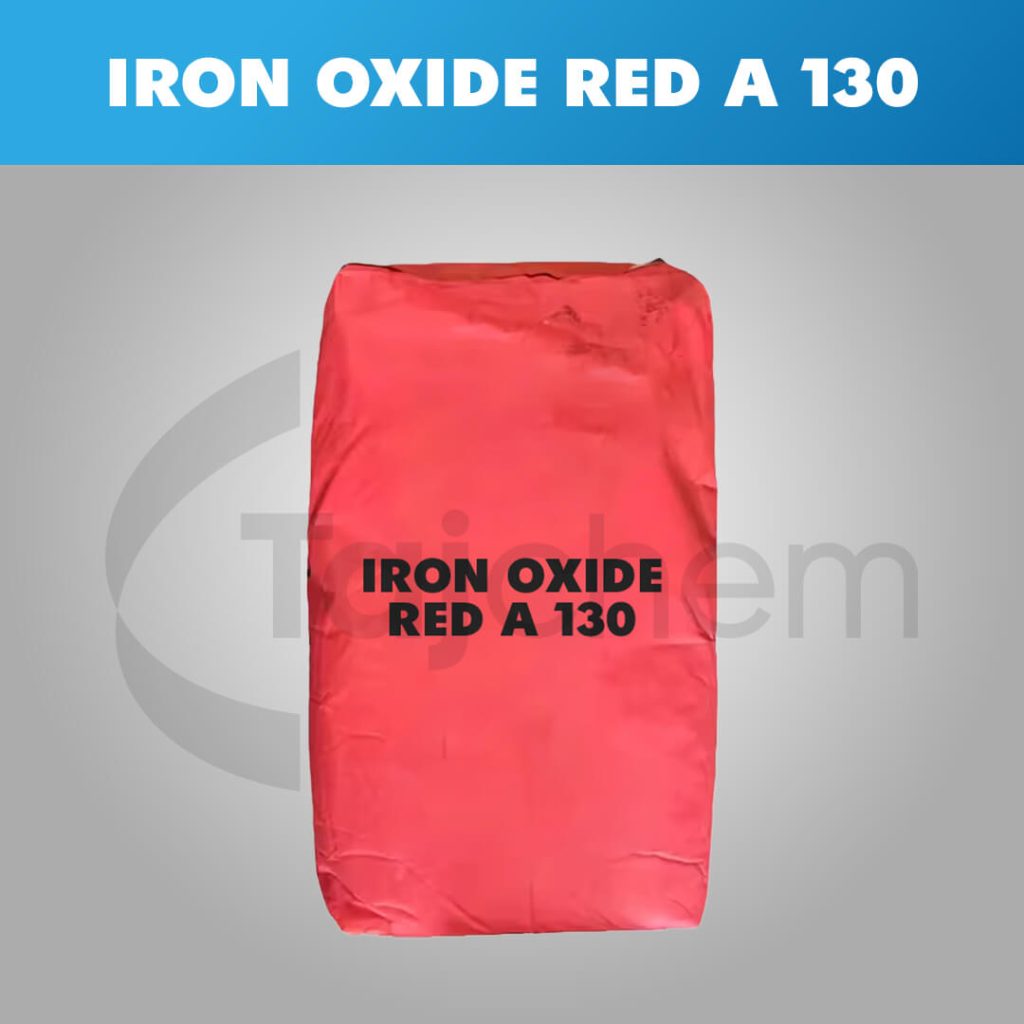
Iron Oxide Red A 130

Iron Oxide Red A 130 is a synthetic iron oxide pigment, known for its strong tinting strength, high opacity, and excellent light and weather fastness. It is a dark red powder and is commonly used in various applications, including paints, plastics, and construction materials.

Benefits:
  • Color and Appearance: Dark red powder.
  • Tinting Strength: High, providing strong coloration.
  • Opacity: High, offering good hiding power.
  • Light Fastness: Excellent, meaning it resists fading from exposure to light.
  • Weather Fastness: Excellent, meaning it resists degradation from weather conditions.
  • Dispersibility: Easy to disperse in various media.
  • Chemical Resistance: Generally stable and resistant to many chemicals, including acids and alkalis.
  • UV Stability: Offers some UV light stability.
Properties:
  • Paints and Coatings: Used in a variety of paints, including water-based, powder, and decorative paints, as well as primers.
  • Plastics: Used to color both thermosetting and thermoplastic plastics.
  • Construction Materials: Used in colored cement, concrete, mortar, and other building materials.
  • Other Applications: Can be used in rubber products, grinding materials for precision instruments, and as a component in powder metallurgy.
Iron Oxide Yellow 313

Iron Oxide Yellow 313 is an inorganic yellow iron oxide pigment, commonly known as Pigment Yellow 42. It features stable color, strong hiding power, and excellent resistance to light and weathering. This pigment is widely used in construction materials, paints and coatings, and plastics.

Benefits:
  • Color: Yellow.
  • Stable color, high hiding power (opacity), good dispersion, excellent light and weather resistance, and good tinting strength.
Properties:
  • Construction: Used in concrete, plaster, paving slabs, artificial stone, and other building materials.
  • Paints and Coatings: Employed in paints, coatings, and inks.
  • Plastics: Added to various plastic products.
  • Other: Used in the production of polymer sand tiles, LFM, and some anti-rust paints.

Zinc Phosphate

Zinc Phosphate is an inorganic compound widely used for its corrosion-resistant properties, particularly as a coating on metal surfaces. It’s a white, crystalline solid that’s insoluble in water but dissolves in acids. It’s a key component in protective coatings, dental cements, and even some pesticides.

Benefits:
  • Corrosion Inhibition: Zinc phosphate is a highly effective corrosion inhibitor, forming a protective barrier on metal surfaces. It’s often used as a primer pigment and as part of electroplating processes.
  • Dental Cement: It’s a key ingredient in dental cements, used for permanent cementation of restorations.
  • Pesticide: Zinc phosphide, a related compound, is used as a rodenticide.
  • Other Applications: It can also be found in some phosphors and as a conversion coating for steel and aluminum.
Properties:
  • Metal Coatings: Zinc phosphate coatings are applied to ferrous metals like iron and steel to protect them from corrosion.
  • Dental Cements: Zinc phosphate cement is a long-standing material used in dentistry.
  • Paints and Primers: It’s a component in some paints and primers, offering corrosion protection.
  • Rodenticide: Zinc phosphide is a toxic substance used as a rodenticide.

Zinc Chromate PY 36

Zinc Chromate PY 36 is an anti-corrosive pigment. is a yellow, crystalline powder that has been used as a pigment, particularly in corrosion-inhibiting coatings and artists’ paints.

Benefits:
  • Color: Bright, green-shaded yellow.
  • Corrosion Inhibition: Zinc chromate’s anti-corrosive properties stem from its ability to release chromate ions, which act as a corrosion inhibitor, and its zinc oxide component, which makes it basic and able to react with acidic materials in the paint film.
Properties:
  • Primarily used in anti-corrosive primers for metal surfaces.
  • It’s found in paints, lacquers, and even some artists’ colors.

Middle Chrome PY 34

Middle Chrome 1070, also known as Middle Chrome Yellow, is a bright yellow inorganic pigment based on lead chromate. Valued for its versatility, it is widely used in paints, coatings, and inks. The pigment offers excellent resistance to heat, light, and weather, making it suitable for both interior and exterior applications.

Benefits:
  • Color: Bright yellow.
  • Composition: Primarily lead chromate.
  • Physical Form: Typically available as a powder.
  • Chemical Resistance: Good resistance to acids, alkalis, water, and solvents.
  • Heat Resistance: Exhibits good heat resistance, with some sources mentioning up to 180°C.
  • Light Fastness: Offers good light fastness, meaning it resists fading when exposed to light.
  • Weather Resistance: Demonstrates good resistance to weathering, making it suitable for outdoor use.
Properties:
  • Paints and Coatings: Widely used in industrial paints, including alkyd/stoving paints, coil coatings, and powder coatings.
  • Road Marking Paints: A key ingredient for durable and visible road marking paints.
  • Inks: Used in offset inks and other printing inks.
  • Plastics: Suitable for pigmenting plastics and PVC leather.

Pigment Violet 23

Pigment Violet 23, also known as Carbazole Violet, is a dioxazine-based organic pigment widely used in various applications due to its excellent properties. It’s known for its high color strength, brightness, and excellent light and heat resistance. It offers good fastness to solvents, acids, and alkalis, making it suitable for a wide range of uses. Pigment Violet 23 is a versatile and robust organic pigment with excellent color characteristics and resistance properties, making it a popular choice for a wide range of industrial applications, especially in printing, coatings, and plastics.

Benefits:
  • Excellent Lightfastness: Pigment Violet 23 exhibits outstanding lightfastness, meaning it resists fading when exposed to light.
  • High Heat Resistance: It can withstand high temperatures, making it suitable for applications like baking enamels and certain plastics.
    Good Solvent
  • Resistance: It is resistant to most organic solvents and chemicals, enhancing its versatility in various applications.
  • Color: It’s a bluish violet color.
Properties:
  • Printing Inks: Flexographic, offset, and gravure inks.
  • Coatings: Paints, including automotive OEM and refinishes, decorative paints, and industrial finishes.
  • Plastics: Widely used in polymers and plastics, but may cause warping in some cases.
  • Textiles: Suitable for textile printing.
  • Other: Used in color filters for display technologies.

Pigment Yellow 74

PAT-ADD AF 16 is a readily dispersible defoamer designed for waterborne coatings, inks, and pigment dispersions. It is mineral oil-based and provides effective defoaming and anti-foam performance during both manufacturing and application processes.

Properties:
  • Coatings: Ideal for water-based, solvent-based, and air-drying paints, including industrial, decorative, and automotive coatings.
  • Printing Inks: Used in water-based, solvent-based, and paste inks, including flexographic and gravure inks.
  • Plastics: Can be used for coloring plastics.
  • Other: Also used in road marking paints and synthetic leather.
Benefits:
  • Color: Greenish yellow, with a shade between Pigment Yellow 1 and Pigment Yellow 3.
  • Type: Monoazo organic pigment.
    Properties: Good lightfastness, high tinting strength, and good dispersion.
  • Applications: Widely used in coatings (industrial, decorative, automotive, powder, coil) and printing inks (water-based, solvent-based, paste).
  • Specific Surface Area: Pigment Yellow 74 comes in various particle sizes, with specific surface areas typically ranging from 10 to 70 m²/g.
  • Hiding Power: Larger particle sizes provide higher hiding power.
  • Resistance: Exhibits good resistance to acids, alkalis, alcohols, esters, benzene, ketones, soap, bleeding, and migration.
Applications:

Emulsion paints, wood coatings, primers, adhesives, plasters, and Inks.

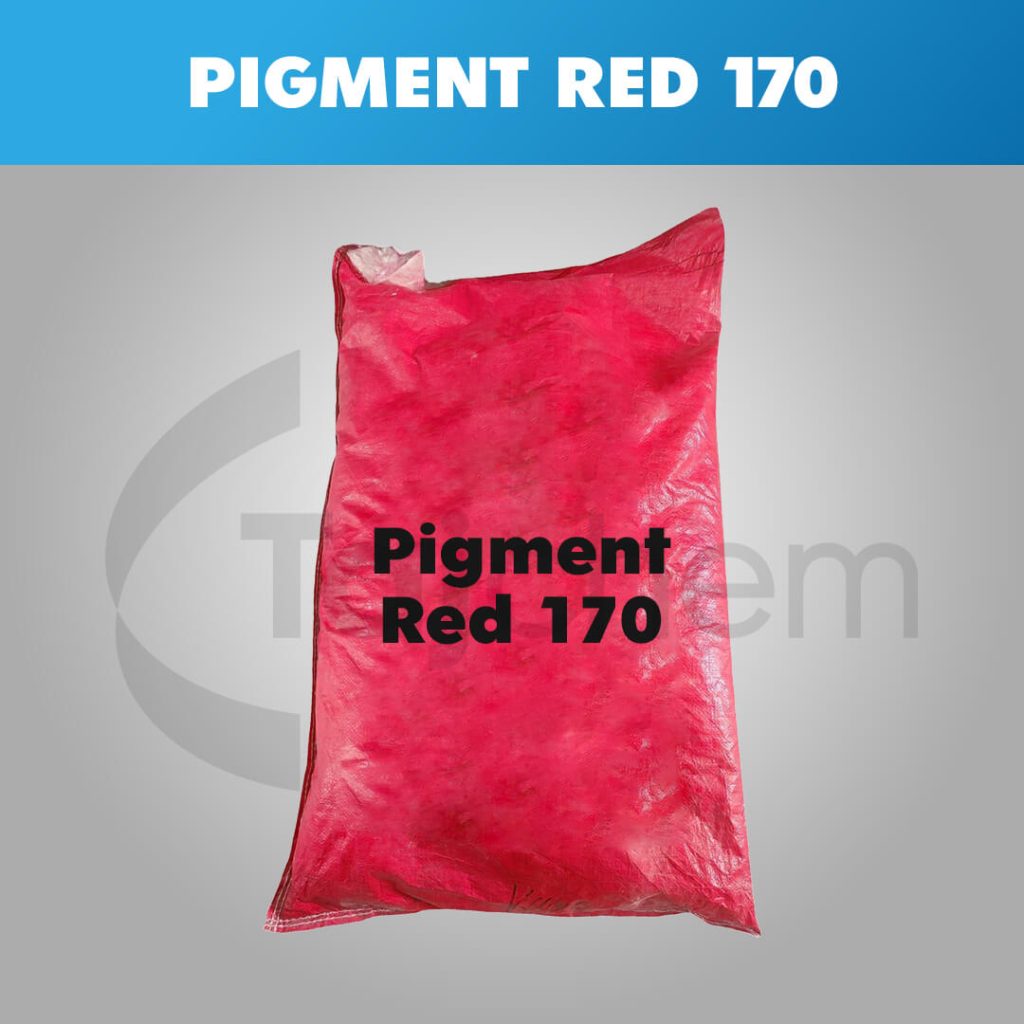
Pigment Red 170

Pigment Red 170 is a synthetic organic pigment, specifically an azo pigment, used for coloring a variety of materials. It’s known for its excellent light and weather fastness, as well as its resistance to chemicals like acids, alkalis, and solvents. This makes it suitable for use in paints, coatings, inks, plastics, and textiles. Pigment Red 170 is often produced in different forms, including pastes and powders, with variations in particle size and other properties depending on the manufacturer and intended application.

Benefits:
  • Color: Red.
  • Chemical Composition: Azo pigment, specifically produced by coupling a diazonium compound derived from p-aminobenzamide with 3-hydroxy-2-naphthoic acid (2-ethoxy)anilide.
  • Light Fastness: Excellent.
  • Weather Fastness: Excellent.
  • Chemical Resistance: Good to excellent resistance to acids, alkalis, solvents, and other chemicals.
  • Applications: Paints, coatings, inks, plastics, and textiles.
  • Tinctorial Strength: High.
Properties:
  • Paints and Coatings: Pigment Red 170 is used in a wide range of paints, including solvent-based, water-based, and automotive paints. It’s also suitable for powder coatings.
  • Inks: It’s used in flexographic and gravure inks, including those for metal foils, decorative coatings, and protective coatings.
  • Plastics: Pigment Red 170 is used in various plastics, including PVC, PP, and PE.
  • Textiles: It can be used in viscose rayon, viscose cellulose, and other semi-synthetic fibers.

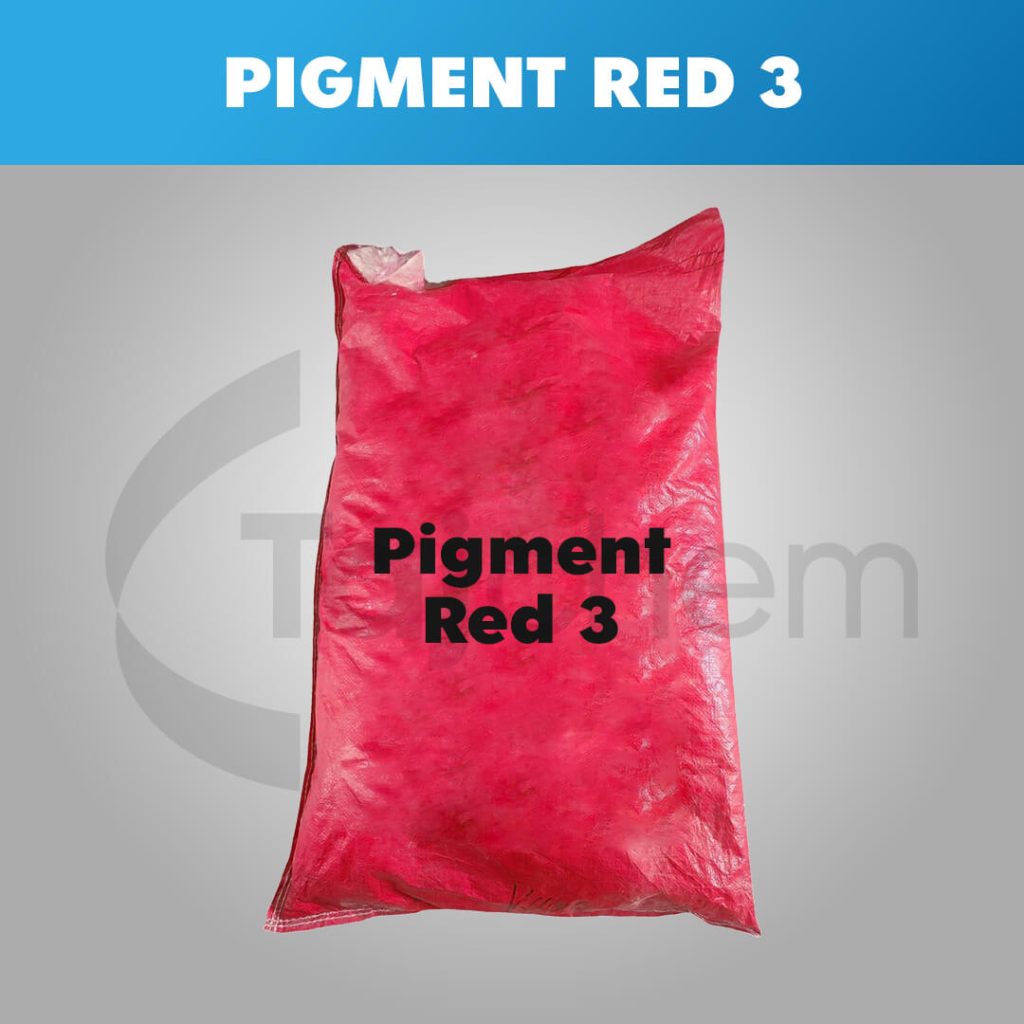
Phthalocyanine Red PR3

Phthalocyanine Red PR3, also known as Toluidine Red, is a red organic pigment with the chemical formula C17H13N3O3. It’s a monoazo beta-naphthol pigment widely used in coatings and inks. PR3 is known for its vibrant red color and is often used as a high tinting strength pigment.

Benefits:

It’s characterized by a strong, vibrant red color and is known for its high tinting strength, meaning it can strongly color other materials even in small amounts. PR3 is also known as Toluidine Dark Red RNH

Properties:

PR3 is primarily used in paints, coatings, and inks.

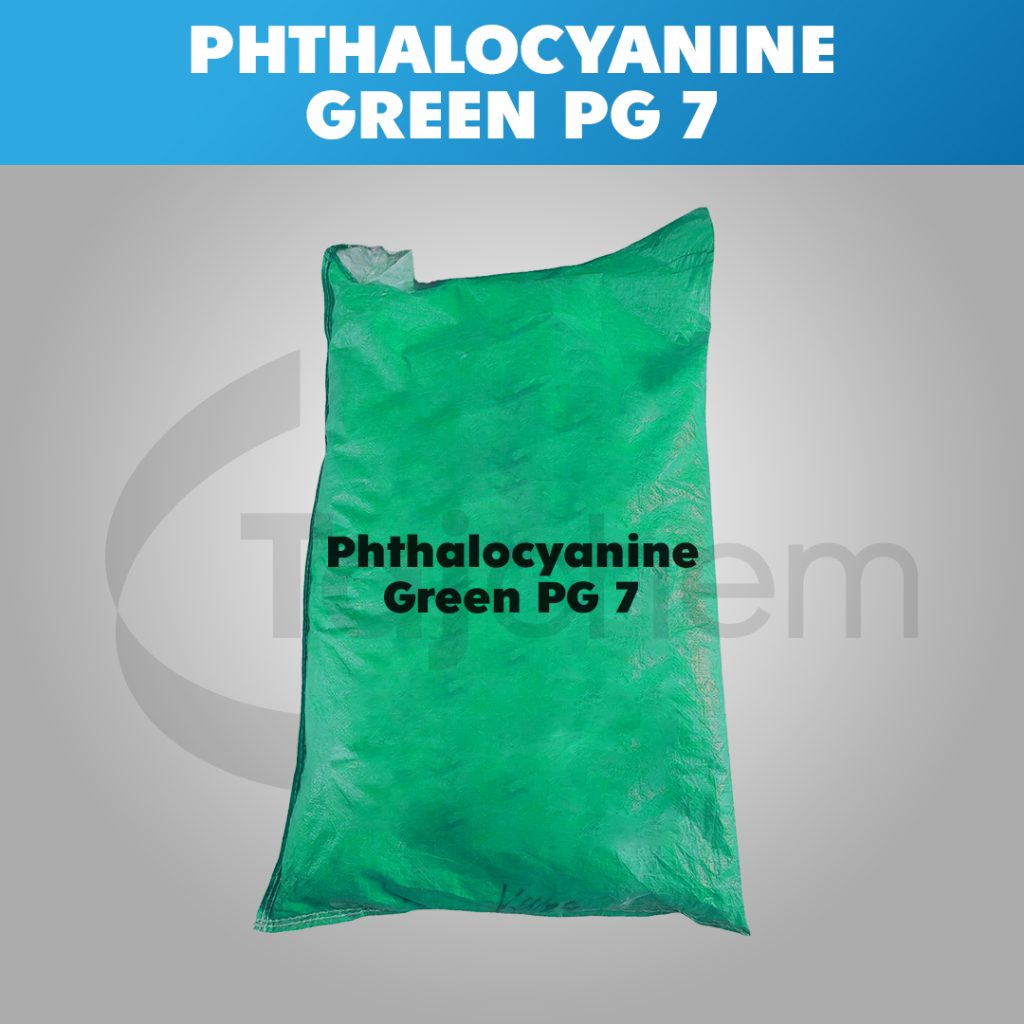
Phthalocyanine Green PG 7

Phthalocyanine Green PG 7 is a highly stable and versatile synthetic organic pigment known for its vibrant bluish-green hue and excellent performance characteristics. It is widely used in various applications, including fine arts, industrial coatings, plastics, and printing inks due to its intense color, high tinting strength, and resistance to environmental factors.

Benefits:
  • Color: Bluish-green.
  • Chemical Composition: A chlorinated copper phthalocyanine complex.
  • Properties: High tinting strength, excellent lightfastness, good heat and chemical resistance.
  • Chlorination: PG7 is derived from phthalocyanine blue through chlorination.
  • Dispersion: It can be challenging to disperse by hand in water-based mediums, and a wetting agent is recommended for optimal results.
  • Heat Resistance: It exhibits good heat stability in HDPE up to 300°C.
  • Chemical Resistance: PG7 is resistant to acids, alkalis, solvents, and UV radiation.
Properties:
  • Fine Arts: Used in oil, acrylic, and watercolor paints.
  • Industrial Coatings: Used in decorative and industrial paints, as well as automotive finishes.
  • Plastics: Used to color various plastics and polymers due to its heat and chemical resistance.
  • Printing Inks: Utilized in gravure, flexography, and screen printing processes.