
Products

Products

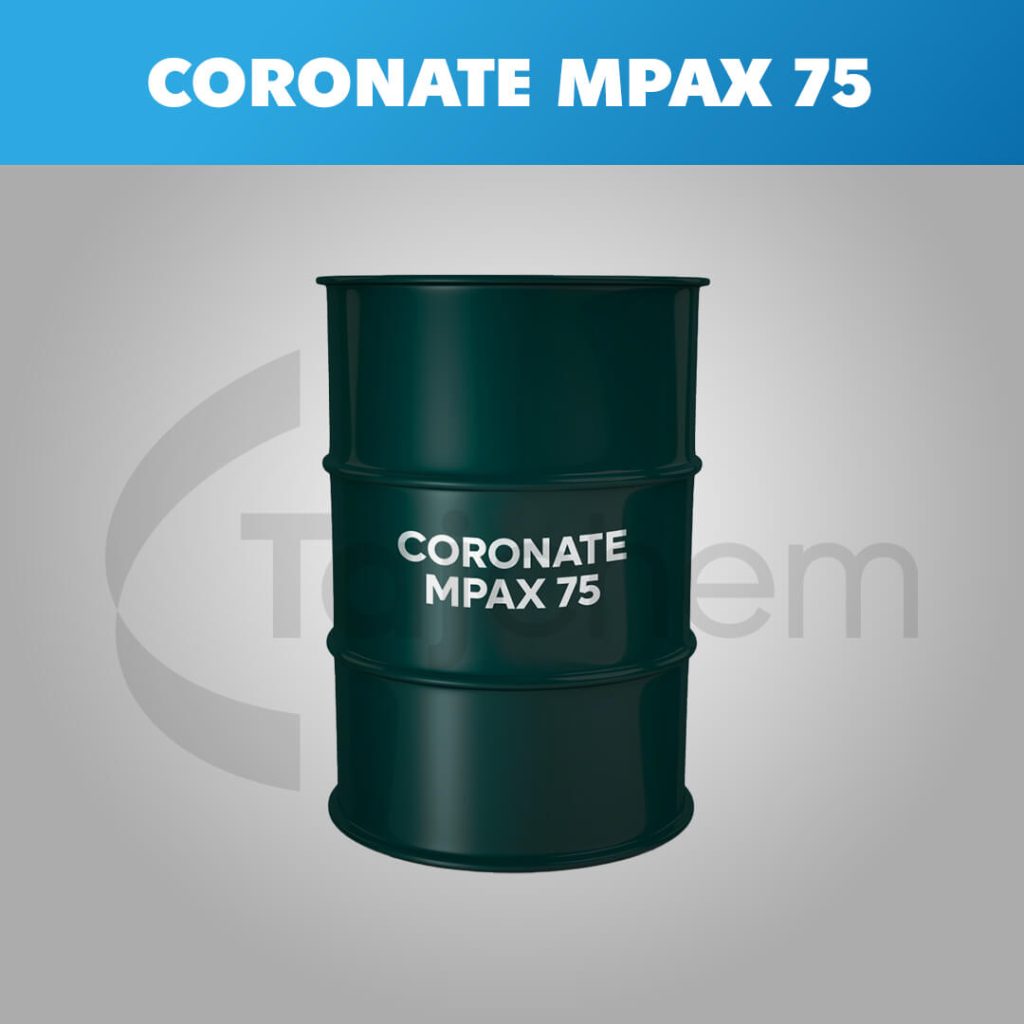
Coronate MPAX 75

Coronate MPAX 75 is a hardener for two-component polyurethane coatings, particularly those requiring non-yellowing and weather-resistant properties. It’s an HDI-based modified polyisocyanate containing isocyanurate, with approximately 75% solid content, and is dissolved in propylene glycol monomethyl ether acetate and xylene. This hardener is suitable for automotive refinishes, industrial coatings, and wood finishes, and can enhance the properties of nitrocellulose and other polyurethane-based paints.

Benefits:
  • Composition: HDI-based modified polyisocyanate (isocyanurate).
  • Solid Content: Approximately 75%.
  • Solvents: Propylene glycol monomethyl ether acetate and xylene.
  • Two-Component Coatings: Used with acrylic or alkyd polyols to create durable, non-yellowing, and weather-resistant coatings.
Properties:
  • Automotive Refinishing: Provides durable and weather-resistant coatings for vehicles.
  • Industrial Coatings: Used in various industrial applications where durable and chemical-resistant coatings are needed.
  • Wood Finishes: Offers excellent protection and enhances the durability of wood surfaces.
  • Enhancing Other Coatings: Can be added to nitrocellulose and other polyurethane-based paints to improve their properties.
Unsaturated Polyester Resin

Unsaturated polyester resin (UPR) is a versatile thermosetting polymer widely used in various industries due to its excellent mechanical properties, chemical resistance, and ease of processing. It’s formed by reacting polyols with saturated and unsaturated dibasic acids. UPR is commonly used as a matrix material in fiber-reinforced plastics (FRP) like fiberglass-reinforced plastics (GRP) for applications such as pipes, tanks, and construction materials.

Benefits:
  • Mechanical Strength: UPRs exhibit good tensile and bending strength, impact resistance, and durability, making them suitable for structural applications.
  • Chemical Resistance: They offer resistance to corrosion, chemicals, and moisture, making them ideal for use in harsh environments.
  • Versatility: Unsaturated polyester resin can be tailored with different monomers and curing agents to modify its properties for specific applications.
  • Processing Ease: UPRs can be easily processed using various techniques like hand lay-up, spray-up, resin transfer molding (RTM), and pultrusion.
  • Curing: UPRs are cured using a catalyst, typically a peroxide, which initiates a crosslinking reaction, transforming the liquid resin into a solid, thermoset material.
  • Wide Range of Applications: Unsaturated polyester resins are used in diverse sectors, including construction, automotive, marine, aerospace, and electrical industries.
Properties:
  • PAT-ADD AF 16 is water-dispersible, requiring low shear to incorporate.
  • PAT-ADD AF 16 is suitable for mid PVC emulsion paints and pigment dispersions.
Applications:
  • Fiberglass Reinforced Plastics (FRP): UPRs serve as the matrix material for FRP, providing strength and durability to products like boats, car parts, and construction panels.
  • Construction: Used in pipes, tanks, ducts, and various building components due to its strength and chemical resistance.
  • Marine Industry: Widely used in building boats, marine coatings, and other applications requiring water resistance.
  • Automotive Industry: Employed in the production of body panels, interior components, and other parts due to its lightweight and strength properties.
  • Electrical Industry: Used in electrical housings, insulators, and other components requiring electrical insulation and mechanical strength.

Polyester Resin

Polyester resin is a versatile synthetic resin widely used in various industries. It’s a polymer formed by reacting organic acids and alcohols, known for its excellent mechanical properties, chemical resistance, and ease of use. It’s particularly valued for its use in fiberglass reinforcement, boat building, and casting.

Benefits:
  • Mechanical Strength: They offer good tensile strength, bending strength, impact resistance, and abrasion resistance.
  • Chemical Resistance: They exhibit resistance to water and various chemicals, making them suitable for diverse applications.
  • Ease of Use: Compared to other resins like epoxy, polyester resin is generally easier to handle and work with.
  • Versatility: Polyester resins can be tailored for a wide range of applications through modifications and formulations.
  • Cost-effectiveness: They are often a more affordable option compared to other resins like epoxies.
  • Thermoset Nature:  Polyester resins are thermosetting polymers, meaning they cure into a solid, infusible state when heated or with the addition of a catalyst.
Properties:
  • Construction: FRP products like doors, windows, sanitary equipment, and building components.
  • Marine Industry: Boat hulls, boat parts, and other marine applications.
  • Automotive Industry: Body panels, car parts, and other components.
  • Consumer Electronics: Housing for electronic devices.
  • Coatings and Adhesives: Providing durable and protective layers.
  • Casting and Molding: Creating various decorative and functional parts.

Short Oil Alkyd (Soya, Coconut & Tall Oil based)

Short oil alkyd resins are synthetic resins that are mostly used in paints and coatings. They are based on soy, coconut, and tall oils. They are characterized by a relatively low oil length (typically less than 45%), which influences their properties and applications. These resins offer benefits like good hardness, chemical resistance, and gloss retention, making them suitable for various industrial and architectural coatings.

Benefits:
  • Good hardness and toughness.
  • Excellent chemical resistance.
  • Good gloss and color retention.
  • Adhesion and durability.
  • Fast drying (often requiring baking)
Properties:
  • Drum coatings, industrial primers and enamels, toy finishes, and baking enamels for metal cabinets and furniture.
  • Architectural Coatings: Primers and topcoats for metal and wood, some decorative paints and varnishes.
  • Specialty Coatings: Nitrocellulose lacquers, acid-cured paints, and polyester urethane coatings

Medium Oil Alkyd 50-60% Solid

Medium oil alkyd resins (50–60% solids) are polyester resins modified with fatty acids from drying oils. They offer a balanced combination of fast drying, durability, and good film properties, making them suitable for both industrial and decorative coatings.

Benefits:
  • Oil length: 50–60% (medium oil)
  • Fast surface drying with good through-dry capability
  • High gloss and good gloss retention
  • Good hardness development with maintained flexibility
  • Resistance to yellowing and good color stability
  • Compatible with various solvents (aliphatic, aromatic, oxygenated)
  •  Excellent adhesion to metal and wood surfaces
Properties:
  • Industrial coatings: primers, enamels, machinery paints, metal finishes
  • Decorative paints: interior and exterior gloss paints, topcoats
  • Wood finishes: varnishes, furniture coatings
  • Quick-drying lacquers and air-drying systems for automotive repair or appliances.

Long Oil Alkyd 70%

Long oil alkyd resin, specifically the 70% variant, is a type of synthetic resin used in paints, varnishes, and coatings. It’s characterized by a high proportion of oil or fatty acid (typically 60-70%), which contributes to its flexibility, adhesion, and durability. This resin is known for producing tough, glossy films with good weather resistance, making it suitable for various applications like architectural paints, primers, and decorative enamels.

Benefits:
  • Flexibility: The high oil content contributes to a flexible film, making it resistant to cracking and peeling.
  • Adhesion: It adheres well to various surfaces like wood and metal.
  • Durability: Long oil alkyds offer good resistance to weathering and aging.
  • Gloss: They produce a glossy finish, making them ideal for decorative applications.
  • Drying Time: They can have relatively fast drying times, depending on the specific formulation.
Properties:
  • Architectural paints: Used in both interior and exterior paints, especially gloss and semi-gloss enamels.
  • Primers and surfacers: Providing a good base for subsequent coats.
  • Decorative and marine gloss enamels: Their durability and gloss make them suitable for these applications.
  • Varnishes: Used to create protective and decorative coatings on wood.
  • Wood and metal finishes: Providing a durable and attractive finish.
  • Other applications: Can also be found in adhesives, printing inks, and other industrial applications.

Visicol 1101

Visicol 1101 is a vinyl acetate homopolymer emulsion, primarily used as a base for adhesive formulations in the woodworking, packaging, and adhesive industries. It is renowned for both its cement compatibility and high tensile strength.

Benefits:

Good tensile strength and cement compatibility.

Properties:
  • Primarily used as a base for adhesive formulations.
  • Used in woodworking, packaging, and adhesive industries.

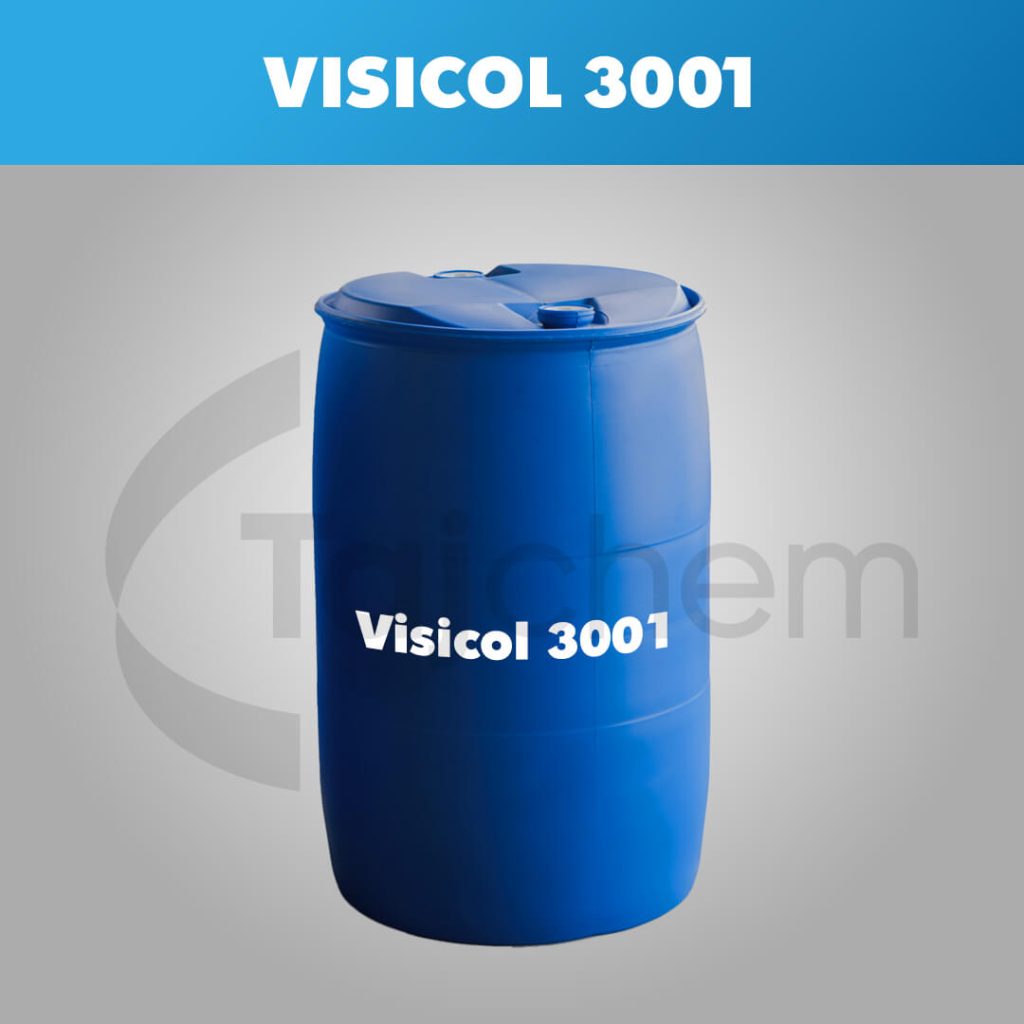
Visicol 3001

Visicol 3001 is an adhesive, specifically a polyvinyl acetate homopolymer emulsion, used in woodworking and general-purpose applications. It’s also used as a base for other adhesive formulations.

Applications:
  • Adhesive for woodworking.
  • General-purpose adhesive.
  • Base for other adhesive formulations

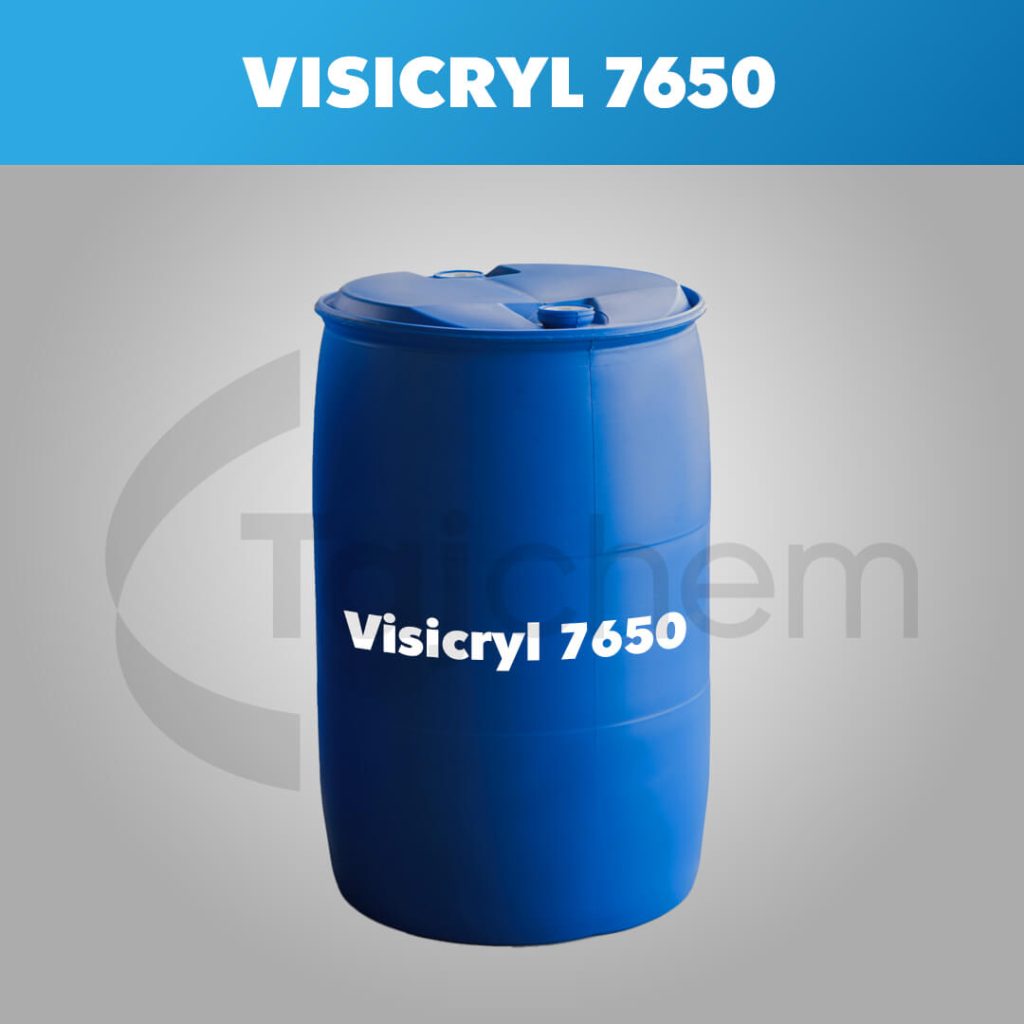
Visicryl 7650

Visicryl 7650 is a styrene acrylic copolymer emulsion used as a binder in various paint applications, particularly for interior and exterior emulsion paints. It’s known for its good pigmentability, making it suitable for masonry paints, texture coatings, and other high-performance coatings. It offers good exterior durability, water resistance, and UV resistance.

Benefits:
  • Suitable for various finishes: Can produce semi-gloss to matte finishes.
  • Good pigmentability: Excellent for formulations requiring high pigment loading.
  • Cement compatibility: Good compatibility with cement, dolomite, silica flour, and fine sand.
  • Exterior durability: Provides good exterior durability, water resistance, and UV resistance.
Properties:
  • Binder for paints: Primarily used as a binder in emulsion paints for both interior and exterior applications.
  • Masonry and texture coatings: Well-suited for masonry paints, texture coatings, and coatings for plasters, concrete, and fibrous cement.
  • Non-woven fabric applications: Can also be used as a binder for non-woven fabrics.
Safety Handling:

Use appropriate safety precautions like goggles, gloves, and face shields during handling.

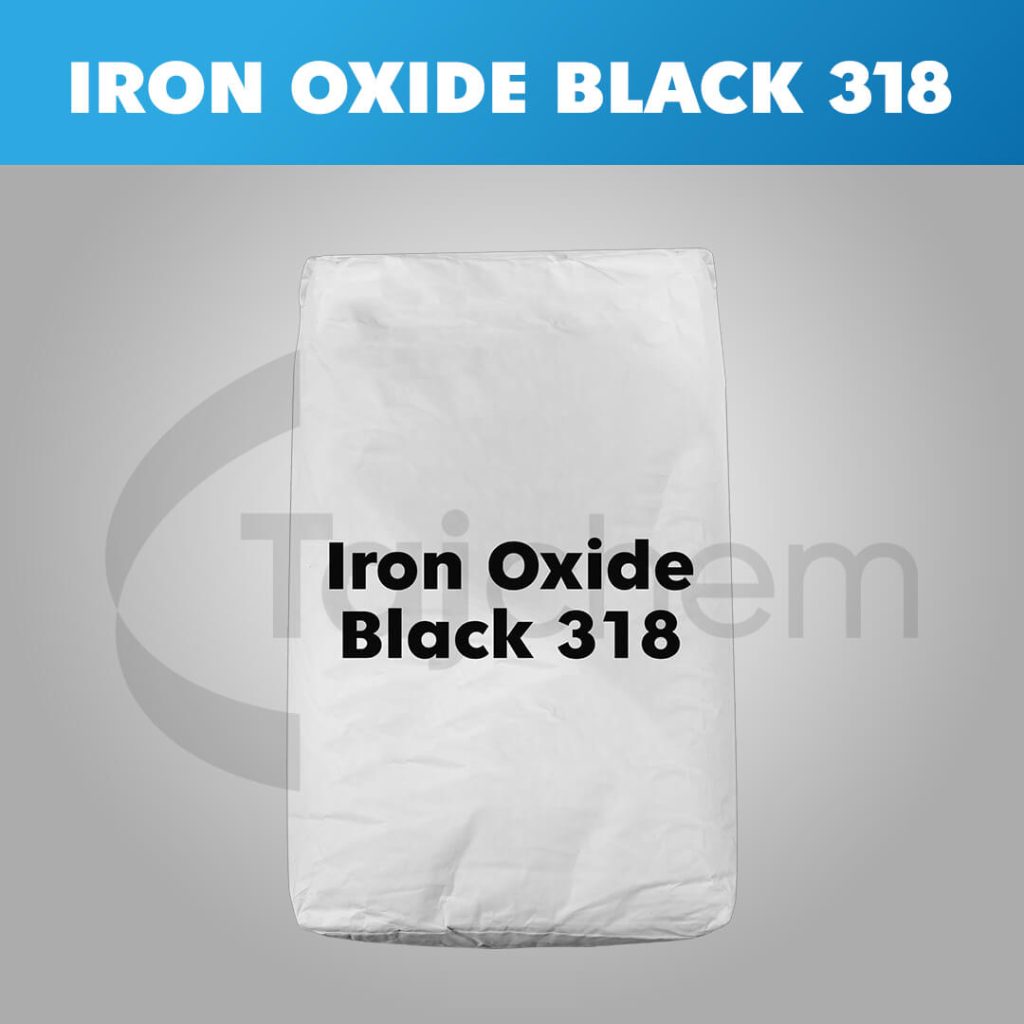
Iron Oxide Black 318

Iron Oxide Black 318 is a synthetic, micronized iron oxide pigment commonly used in coatings, paints, plastics, and building materials. It offers high hiding power, strong color intensity, excellent dispersion, and superior resistance to light and temperature. Its versatility and reliable performance make it a preferred choice across multiple industries.

Benefits:
  • Color: Black.
  • Strong hiding power, high color strength, good dispersion, excellent light and temperature resistance
Properties:
  • Coatings, paints, building materials (e.g., concrete, paving stones, roofing tiles), plastics, rubber, ink, paper.
  • Automotive coatings, corrosion protection, decorative paints, floorings, industrial coatings, plastic coatings, roof tile coatings, wood coatings.