
Coalescing Agent & Glycols

Coalescing Agent & Glycols

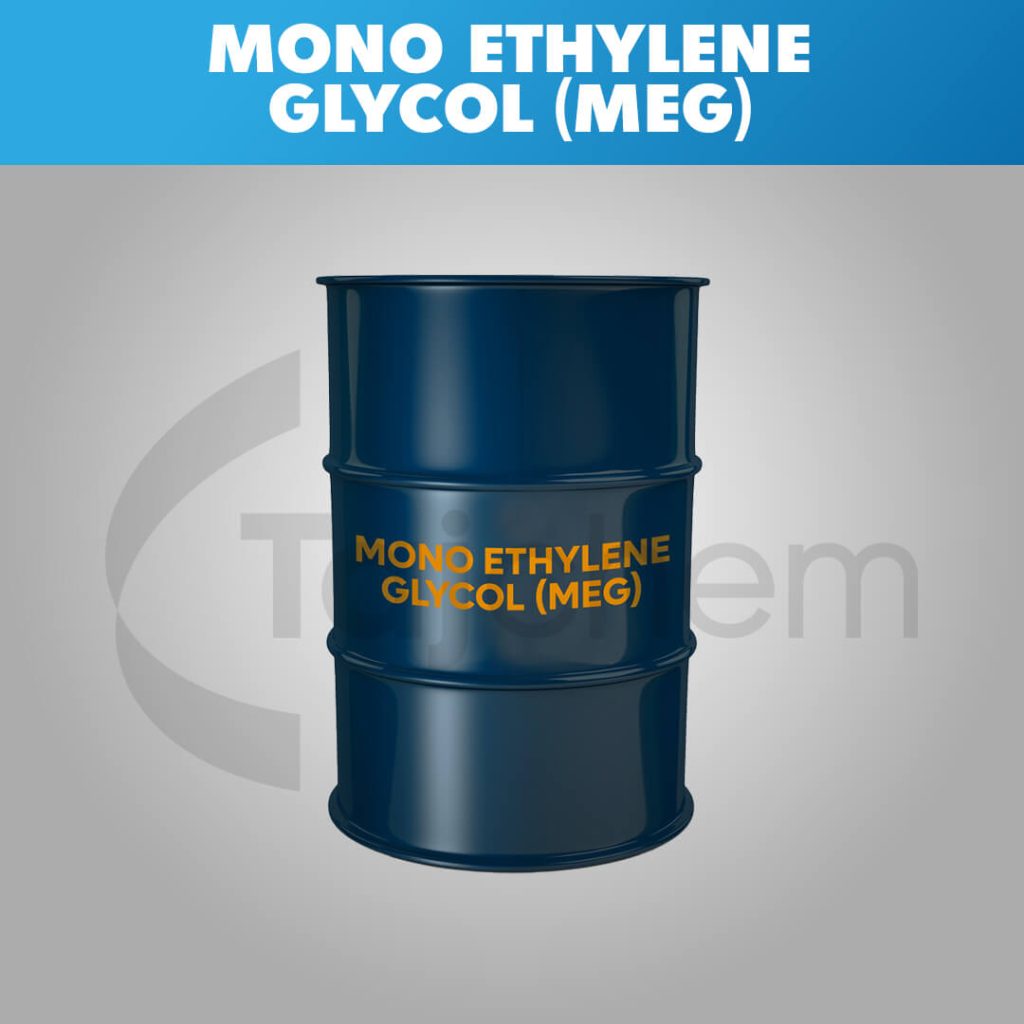
Monoethylene glycol (MEG)

Monoethylene glycol (MEG) finds application in paints, coatings, and inks as a solvent, humectant, and plasticizer, enhancing their properties and performance. It acts as a wetting agent, improves flow, and helps control drying time, while also contributing to the formulation of alkyd resins used in various coatings.

Properties:
  • Physical State: Clear, colorless, and slightly viscous liquid.
  • Odor: Virtually odorless.
  • Taste: Sweet taste.
  • Miscibility: Miscible with water, alcohols, and many organic compounds.
  • Hygroscopic: Absorbs moisture from the air.
  • Volatility: Low volatility.
Applications:

Applications in Paints and Coatings:

  • Solvent: MEG is used as a solvent in custom formulations of paints and coatings, helping to dissolve and disperse various components.
  • Humectant: Being hygroscopic, MEG helps retain moisture in water-based paints, preventing premature drying and improving application properties.
  • Plasticizer: It acts as a plasticizer, improving the flexibility and durability of coatings.
  • Alkyd Resin Production: MEG is a key reactant in the production of alkyd resins, which are widely used in paints, enamels, and varnishes.
  • Wetting Agent: MEG can act as a wetting agent, improving the spreading and adhesion of paints on surfaces.
    Applications in Printing Inks:
  • Solvent: MEG acts as a solvent in printing inks, aiding in the dispersion of pigments and resins.
  • Drying Retardant: In water-based inks, MEG can help to slow down the drying process, preventing rapid evaporation and allowing for better ink flow and transfer.
  • Viscosity Control: MEG can be used to adjust the viscosity of inks, ensuring optimal print quality and flow.
  • Wet-Edge Retention: It can improve the wet-edge time of inks, allowing for better overlapping of printed areas and preventing dry-out during printing.
Monopropylene glycol (MPG)

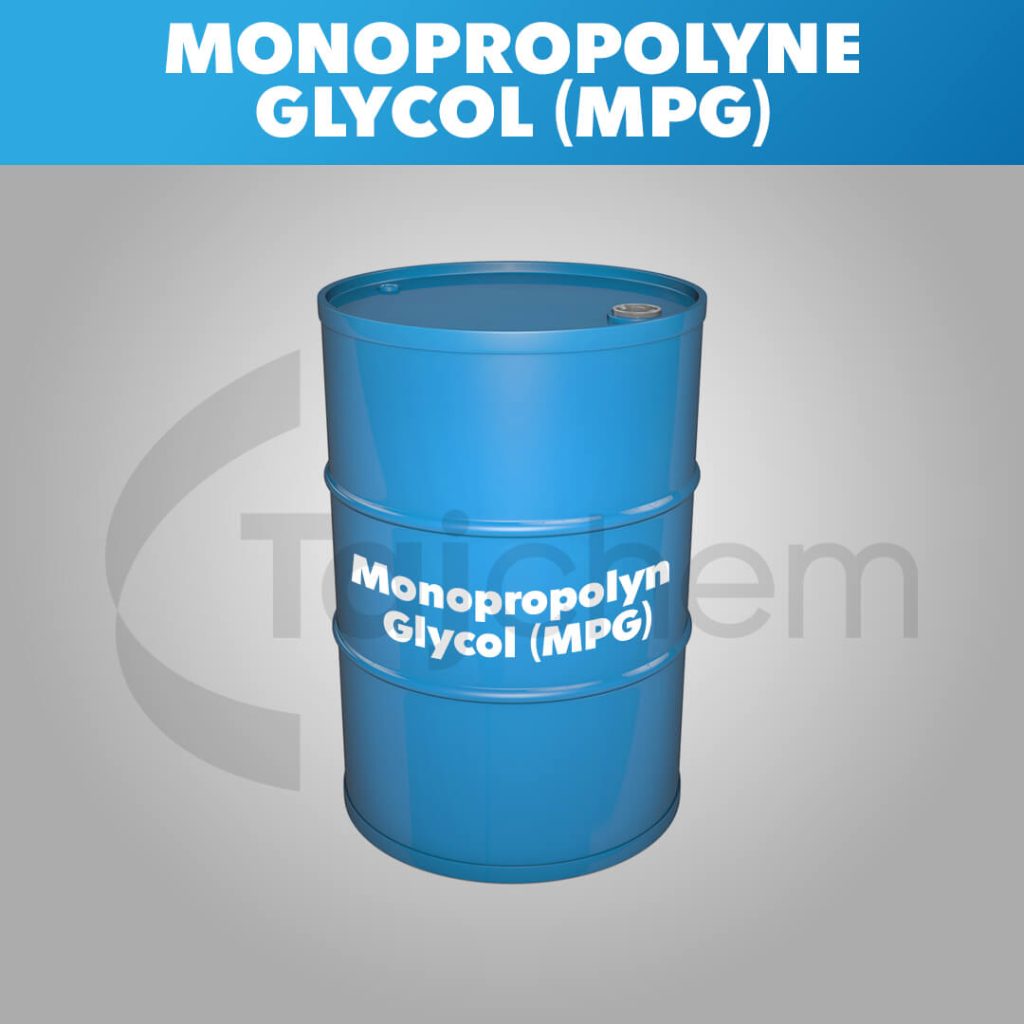
Monopropylene glycol (MPG) is a versatile solvent used in paints, coatings, and inks, primarily as a coalescing agent and humectant. It helps improve paint film formation, provides freeze-thaw stability in latex paints, and can be used in alkyd resins. In inks, it acts as a solvent and can help reduce emissions during UV curing processes.

Properties:
  • Appearance: Clear, colorless, and viscous liquid.
  • Odor: Practically odorless.
  • Solubility: Highly soluble in water, alcohols, esters, and ketones.
  • Hygroscopic: Readily absorbs moisture from the air.
  • Low Toxicity: Relatively low toxicity, making it suitable for various applications.
  • Antifreeze: Reduces the freezing point of water, used in automotive and aircraft de-icing.
  • Humectant: Attracts and retains moisture, used in personal care products
Applications:

Applications in Paints and Coatings:

  • Paints and Coatings: Coalescing Agent: MPG facilitates the fusion of paint particles during application, resulting in a smooth, uniform, and long-lasting finish
  • Freeze-Thaw Stability: In latex-based paints, MPG helps prevent damage caused by freezing and thawing cycles.
  • Alkyd Resin Production: MPG is a key ingredient in alkyd resin manufacturing, influencing the flexibility and hardness of the final coating Inks.
  • Solvent: MPG acts as a solvent in printing inks, helping to carry the pigments and other components.
  • UV Curing: In UV-curable inks, MPG helps reduce emissions and lower energy consumption during the curing process.

Ucar Filmer IBT

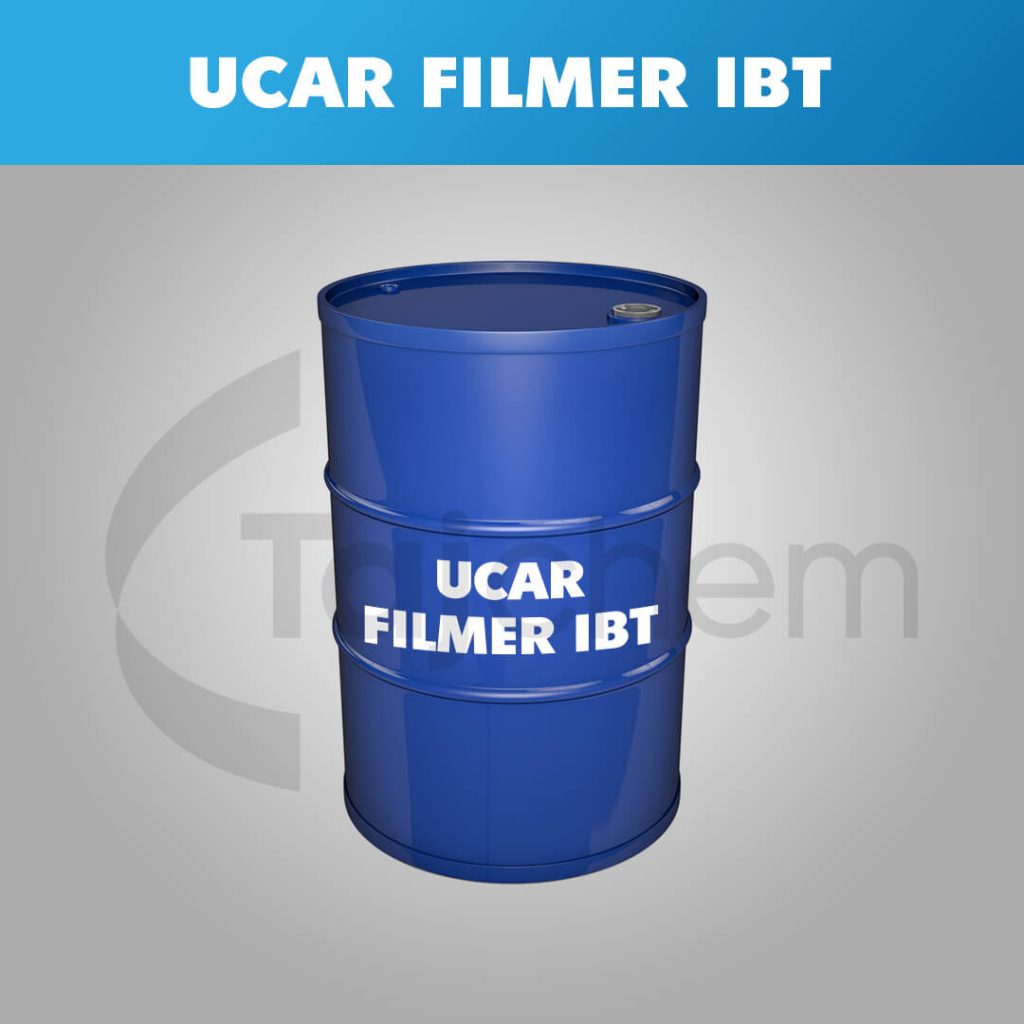
UCAR Filmer IBT is a glycol ether solvent, specifically a coalescing agent, used in various applications like paints, coatings, and personal care products. It’s known for its slow evaporation rate, good solvency, and high scrub resistance. It’s also a non-HAP (Hazardous Air Pollutant) solvent and exhibits excellent hydrolytic stability.

Properties:
  • Appearance: Clear, colorless liquid.
  • Coalescing Agent: UCAR Filmer IBT is primarily used as a coalescing agent in latex paints, helping to form a continuous film during drying.
  • Solvent: It acts as a solvent in various formulations, including lacquer thinners, wood lacquers, printing inks, and personal care products.
  • Non-HAP: It’s a non-HAP solvent, meaning it doesn’t contribute to hazardous air pollutants.
  • Slow Evaporation: Its slow evaporation rate allows for better film formation and prevents premature drying.
  • High Scrub Resistance: It provides high scrub resistance in coatings.
  • Hydrolytic Stability: It’s stable in the presence of water, making it suitable for various applications.
  • Miscibility: It’s miscible with many common organic solvents.
Applications:
  • Paints and Coatings: Used as a coalescing agent in architectural and industrial coatings.
  • Printing Inks: Used as a solvent and coalescing agent in printing inks.
  • Personal Care Products: Used in fragrances, cosmetics, and other personal care products.
  • Lacquer Thinners: Used as a solvent in lacquer thinners.
  • Wood Lacquers: Used as a solvent in wood lacquers.