
Products

Products

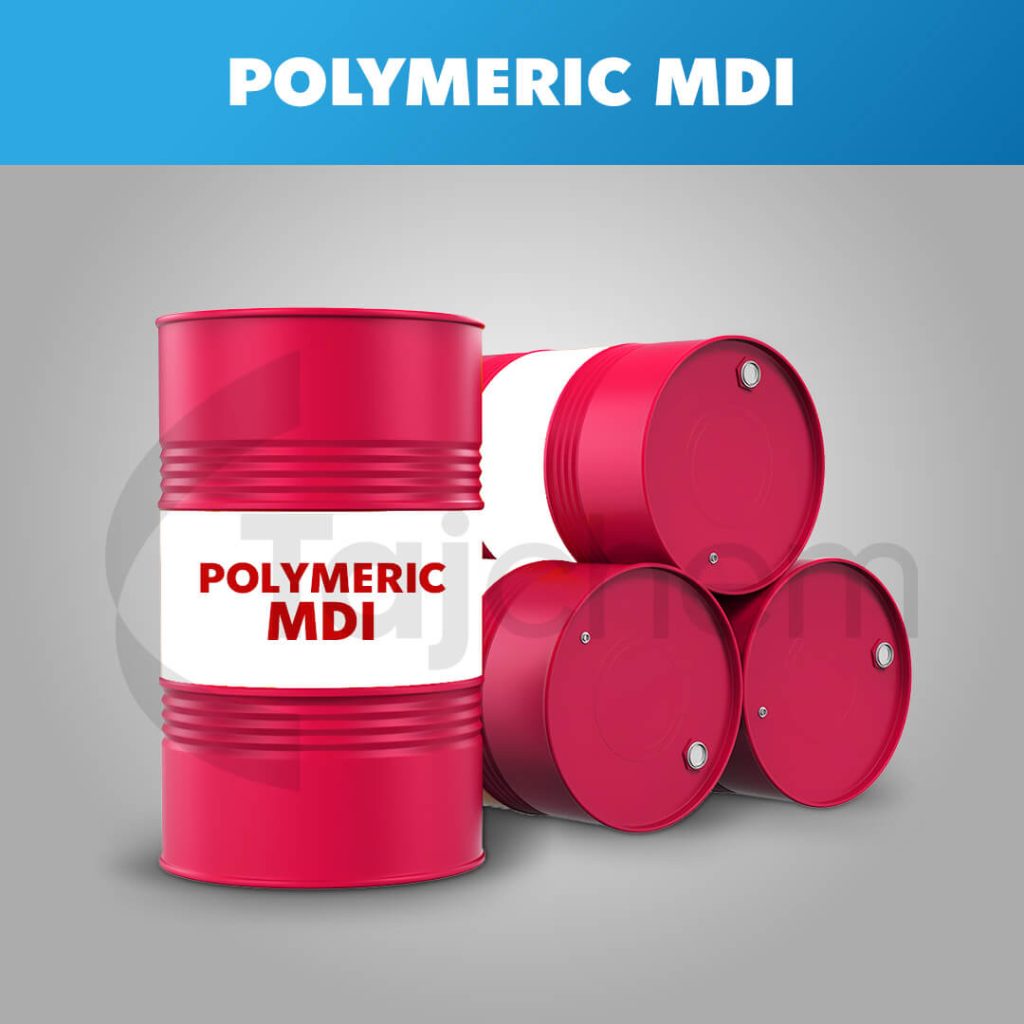
Polymeric MDI

Polymeric MDI, or polymethylene polyphenyl isocyanates, is a liquid aromatic isocyanate commonly used in the production of rigid and semi-rigid polyurethane foams. It remains stable at ambient temperatures and is easy to store and handle down to -20°C.

Applications:
  • Construction panels
  • Spray heat insulation
  • Refrigerators
  • Car interiors
  • Insulations for refrigerators
  • Container transport
  • Insulation panels for construction
  • LNG carriers
  • Pre-insulated pipes
  • Board foam
  • Wood imitation
  • Spray insulations
  • Auto instrumental panel
  • Rigid and flexible foam
  • Foundry resin sand binders
  • Heat insulating material
Other Common Uses:
  • Paints
  • Adhesives
  • Sealants
  • Structural foams
  • Microcellular integral skin foams
  • Automotive bumper and interior parts
  • High-resilience foams
  • Synthetic wood
  • Thermal insulation rigid foam
  • PU coating
  • PU adhesive
  • Seepage-proofing
  • Structure foam
  • Automobile bumper
Storage Guidelines:
  • Store in sealed and dry containers
  • Ideal storage temperature: 15–35°C
  • Protect from frost (avoid temperatures below 5°C) to prevent crystallization
  • Maintain in a well-ventilated indoor area


Safety & Handling:
  • During handling, it is recommended to use a mask, gloves, and goggles


Emergency Response:
  • Skin Contact: Use soap & water. Wash thoroughly
  • Eye Contact: Rinse immediately with water for approximately 15 minutes
  • Inhalation: In case of inhalation, it is advised to move to fresh air, provide oxygen, or perform CPR
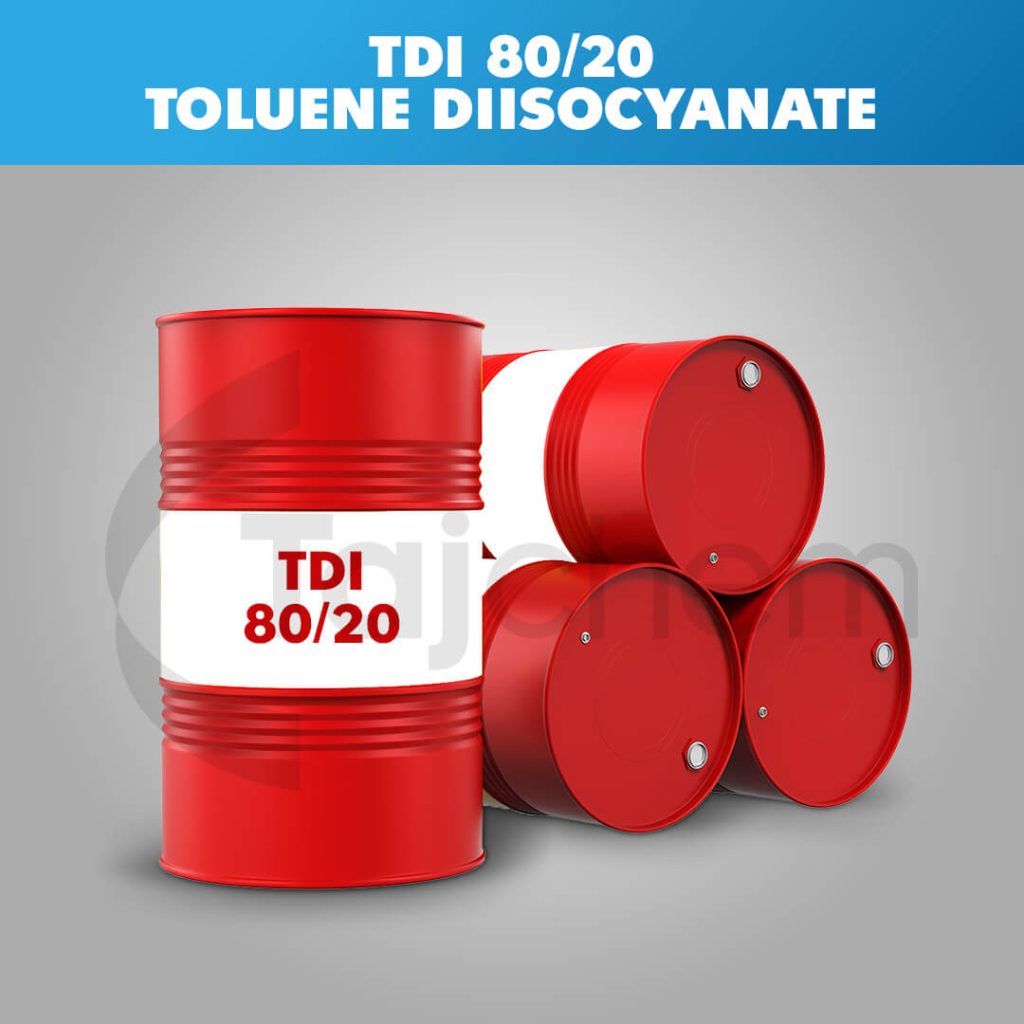
TDI 80/20 – Toluene Diisocyanate

TDI 80/20 is a liquid aromatic isocyanate composed of 80% 2,4-Toluene Diisocyanate and 20% 2,6-Toluene Diisocyanate. It appears as a clear to pale yellow liquid with a pungent odor and is known for its high reactivity. TDI 80/20 is a key raw material in the formulation of flexible polyurethane foams and non-foam urethane systems.

Primary Applications:
  • Flexible polyurethane foams
  • High-resilience and high-load foams
  • Semi-rigid ester-based foams
  • Molding foams
  • Elastomers and synthetic leather
End-Use Industries:
  • TDI 80/20 plays an important role in the production of:
  • Mattresses and upholstered furniture
  • Footwear and shoe soles
  • Adhesives, coatings, and hardeners
  • Lubricant additives
  • Industrial paints and protective coatings used in automotive, aerospace, and rail applications
Safe Handling & Storage:
  • Store in a dry and ventilated location that is safe from fire in a strongly sealed container
  • Avoid contact with moisture, heat sources, or open flames
  • Use safety equipment like eye protection, gloves, and aprons
  • Open containers carefully, allowing internal pressure to stabilize before fully opening
Emergency Measures:
  • Inhalation: Move the affected person to fresh air and seek medical attention; oxygen may be required
  • Skin Contact: Remove contaminated clothes and wash skin with soap and water
  • Eye Contact: Rinse eyes thoroughly with clean water for at least 15 minutes
  • Ingestion: Do not induce vomiting; drink water and get immediate medical help

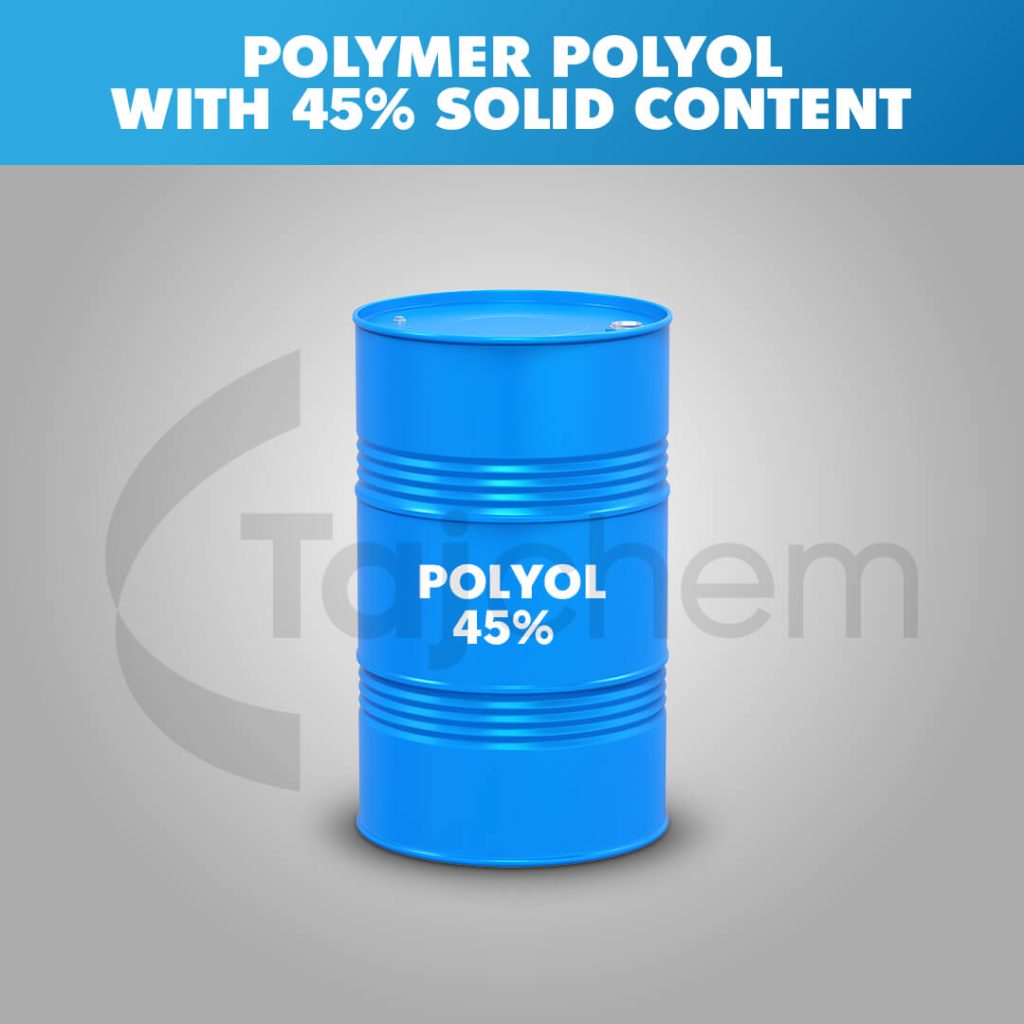
Polyol 45% – Polymer Polyol with 45% Solid Content

Polyol 45%, also known as POP 45%, is a high-solid-content polymer polyol (45%) based on propylene oxide/ethylene oxide, grafted with styrene-acrylonitrile (SAN) copolymer. It is engineered for high load-bearing polyurethane applications, offering enhanced resilience and mechanical strength.

It is ideal for producing conventional and high-resilience (HR) slab stock foams with superior firmness and durability.

Key Applications:
  • High-resilience block flexible foam
  • Molded flexible foam
Typical Uses:
  • Mattresses & Furniture
  • Automotive Interiors

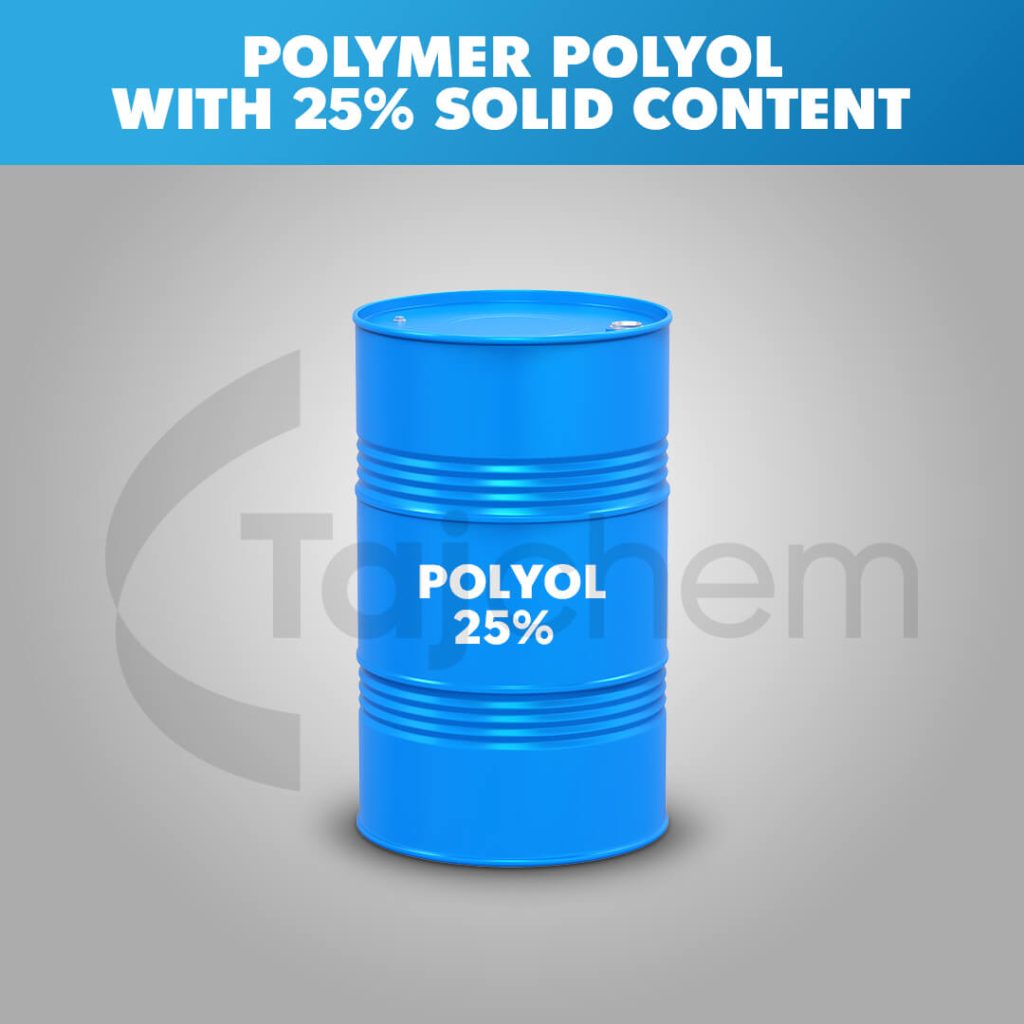
Polyol 25% – Polymer Polyol with 25% Solid Content

Polyol 25%, also known as POP (Polymer Polyol), is a reactive polyether polyol containing 25% styrene-acrylonitrile (SAN) copolymer solids. This composition significantly enhances the load-bearing capacity of polyurethane foams while maintaining softness and flexibility.

Used alongside conventional polyether polyols, POP 25% is ideal for producing high-resilience (HR) and flexible molded foams with excellent performance characteristics.

Key Features:
  • Superior load-bearing and foam hardness
  • Stable structure with low shrinkage
  • Uniform cell structure for a smooth finish
  • Easy processing with standard polyols
  • High compatibility with TDI, MDI, and PU systems
  • Low VOC emissions – eco-friendly formulation
Main Applications:
  • Flexible PU foam for furniture, mattresses, and cushions
  • Automotive seats, interiors, and armrests
  • Office furniture and ergonomic seating
  • Acoustic insulation and soundproofing foams
  • Packaging and shock-absorbent materials

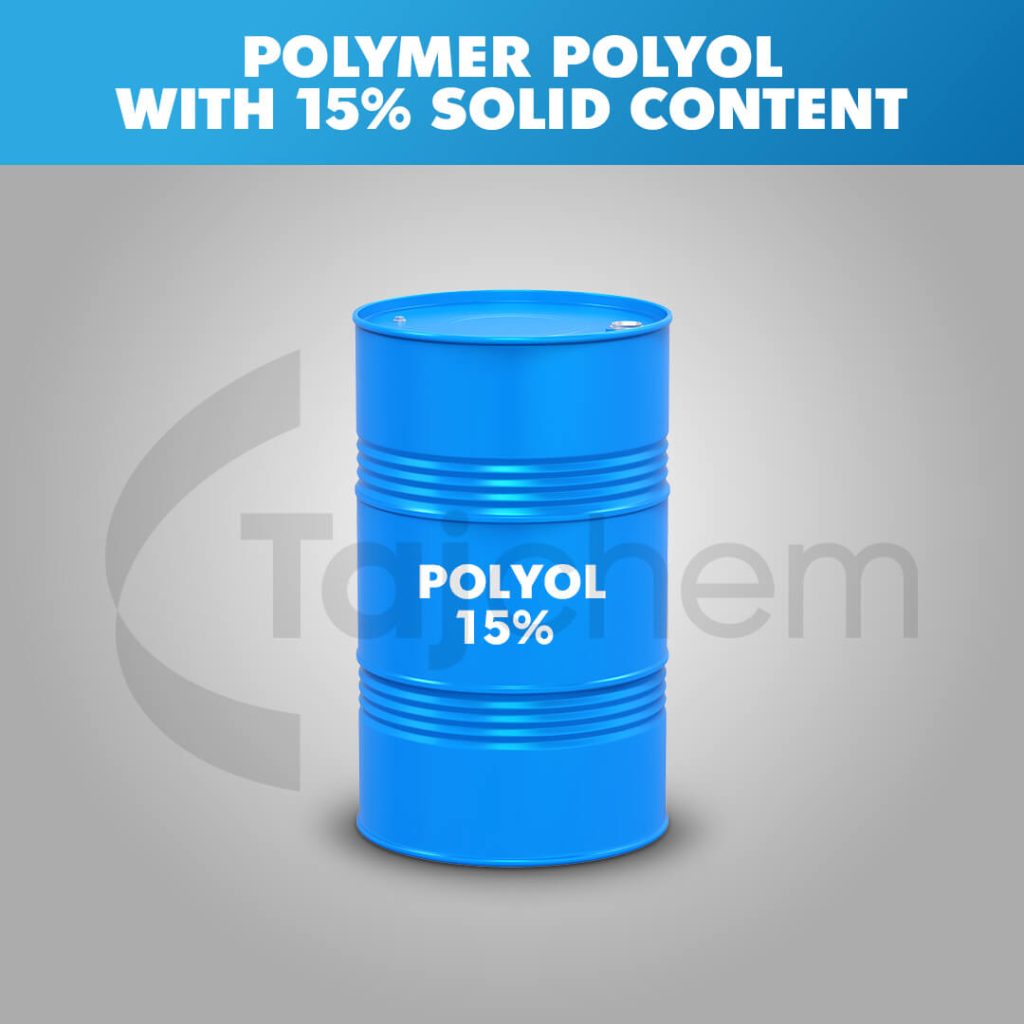
Polyol 15% – Polymer Polyol with 15% Solid Content

Polyol 15% is a high-performance polymer polyol with a white to milky yellow appearance, known for enhancing load-bearing capacity, resilience, and cellular structure in polyurethane foam. It significantly improves the physical and mechanical properties of the final product.

Key Applications:
  • High load-bearing polyurethane foams
  • High-resilience block flexible foams
Common Uses:
  • Mattresses
  • cushions
  • furniture
  • packaging
  • Medium- to high-density foam products designed for demanding applications
Storage Guidelines:
  • Store in a cool, dry, and well-ventilated area
  • Keep containers sealed and protected from heat, light, and flames
  • Avoid contact with isocyanates and strong acids
Safety Precautions:
  • Wear protective clothing and gloves
  • Avoid inhalation and contact with eyes or skin
  • Keep away from flames and do not smoke in work areas.

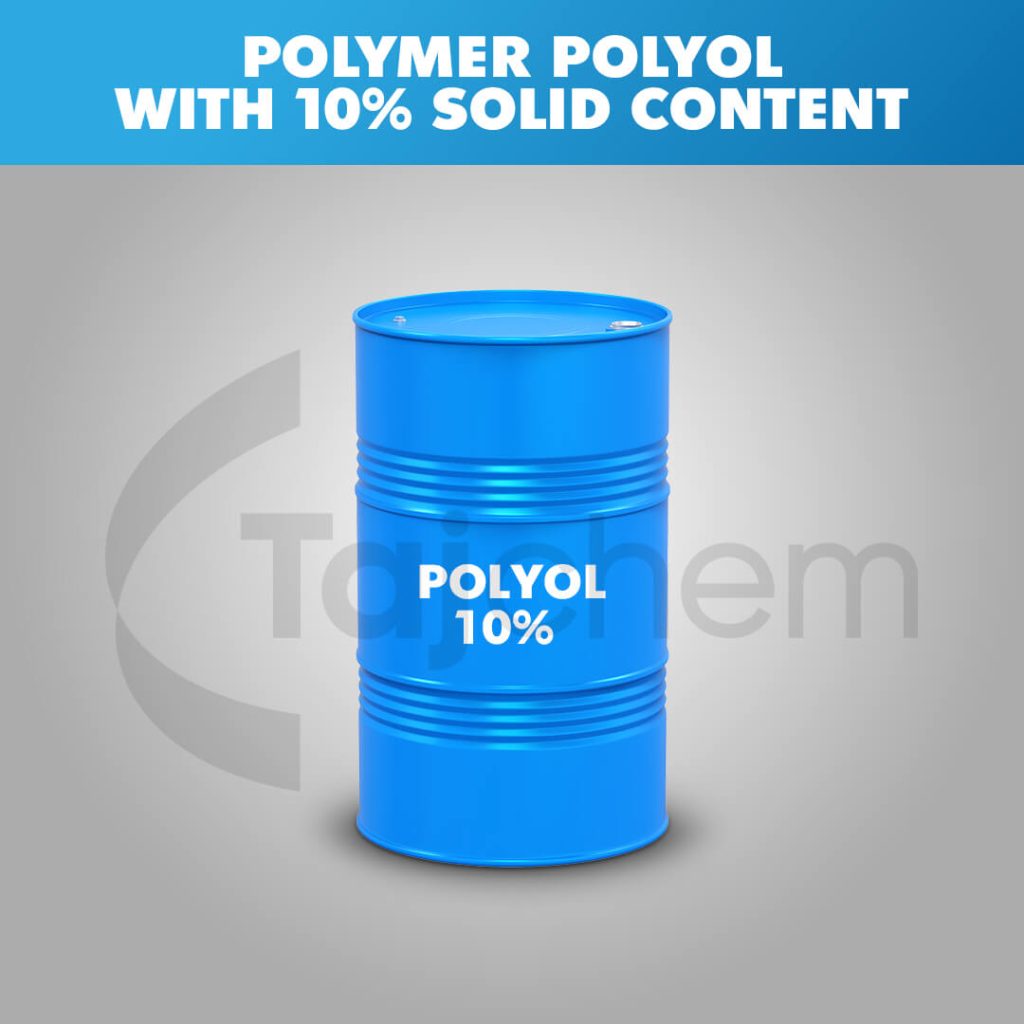
Polyol 10% – Polymer Polyol with 10% Solid Content

Polymer Polyol with 10% solid content is designed for use with flexible polyether polyols to produce high-resilience polyurethane foams with enhanced hardness and load-bearing capacity. It is also suitable for semi-rigid PU foams and compatible with TDI, MDI, and TDI/MDI blends.


Key Features:
  • Ideal for a wide density range of flexible foams
  • Balanced viscosity for consistent processing
  • Low VOC emissions
  • Delivers uniform foam density
  • Available in solid contents: 10%, 15%, 25%, 45%
Applications:
  • PU foam for sofas, mattresses, car seats, sponges
  • Defoaming agents and surfactants
  • Used in organic synthesis and chemical processing
Industries Served:
  • Furniture: Cushions and bedding
  • Automotive: Seats and interior padding
  • Packaging, Refrigeration, Carpet Underlay

Storage Guidelines:

Store in sealed steel, aluminum, PE, or PP containers, preferably under nitrogen. Keep below 50°C, away from moisture, sunlight, and heat sources.

Safety Information:
  • Use protective eyewear during handling
  • Avoid contact with eyes and do not wear contact lenses
  • Equip workspaces with eyewash and shower stations
  • Generally safe for skin with normal precautions

Spill Management:

Use sand, soil, or suitable absorbents to contain spills. Transfer waste to proper containers and clean the area with water or detergent. Prevent entry into drains or waterways.

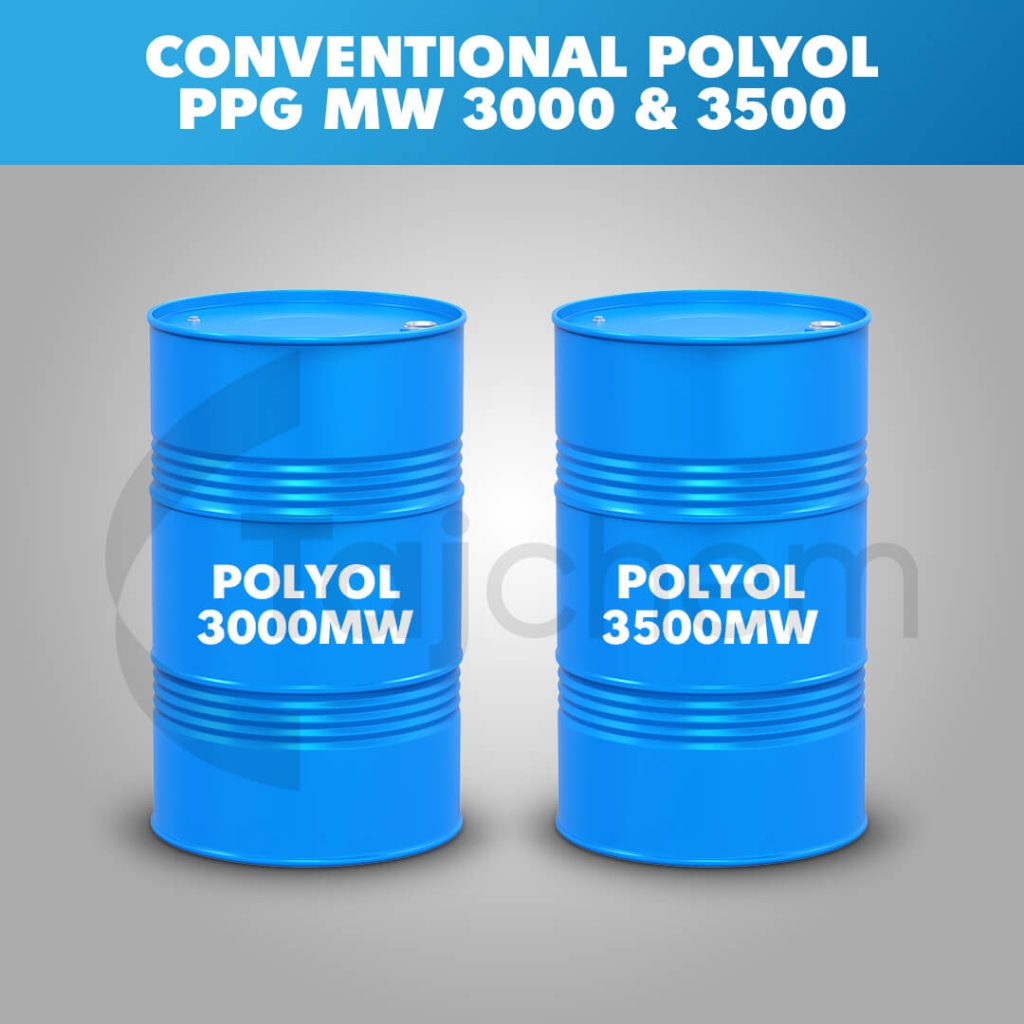
Conventional polyol PPG MW 3000 & 3500

Conventional Polyol PPG MW 3000/3500 is a high-quality polyether polyol with a molecular weight of 3000/3500, widely used in the production of polyurethane foams and related materials. It plays a key role in industries such as furniture, automotive, textiles, and more.


Key Applications:
  • Flexible
    • Acts as a core component in PU foam formulations, enhancing structure, flexibility, and performance.
  • Polyurethane Elastomers
    • Perfect for gaskets, seals, and automotive components that demand high durability, flexibility, and long-term resilience.
  • Product Features
    • Excellent processability for consistent PU production
    • Compatible with standard polyurethane manufacturing techniques


Handling & Storage Guidelines:
  • Handling: Avoid eye contact. Wash thoroughly after use. Handle with care, especially when hot, to prevent burns. Hygroscopic—protect from moisture.
  • Storage: Store in a cool, dry place (25 °C). Keep containers tightly sealed and protected from light, air, and humidity.
  • Shelf Life: 12 months under recommended conditions.

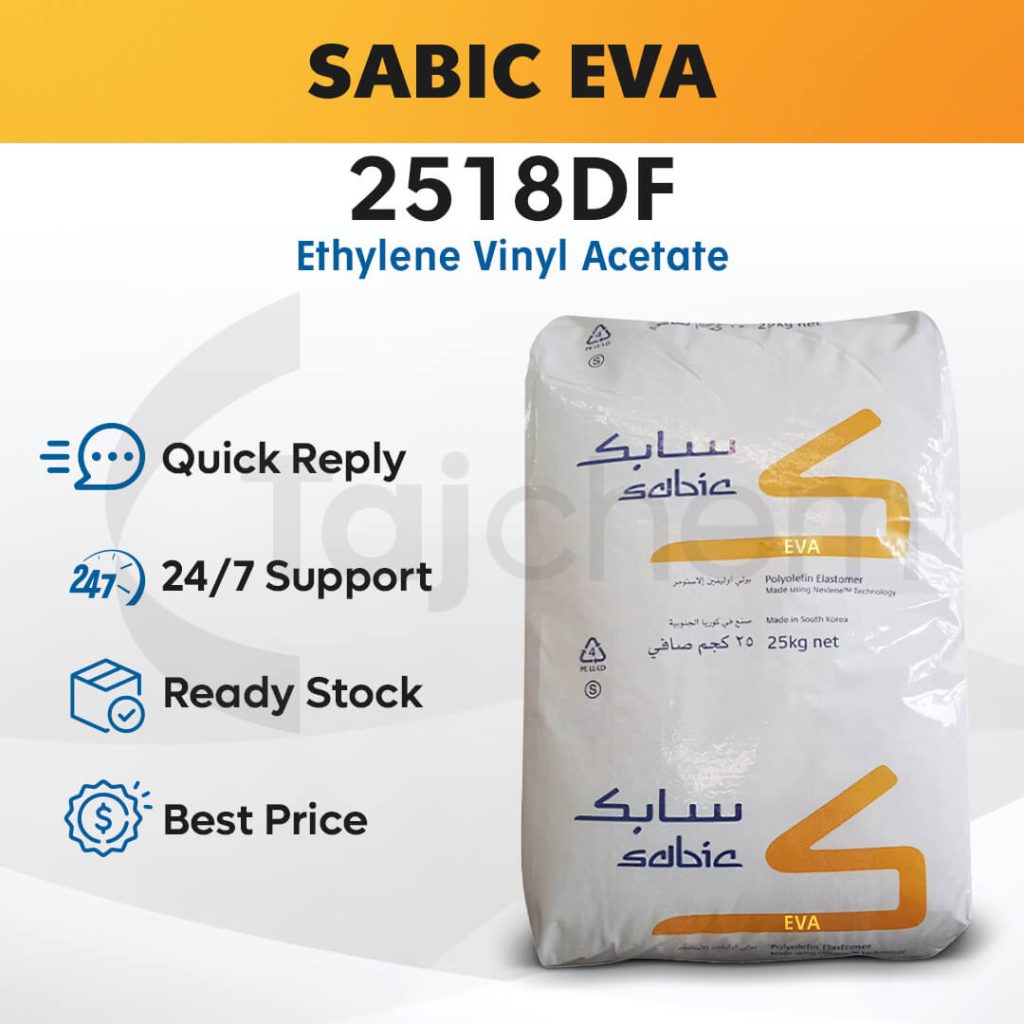
Sabic EVA 2518DF

EVA 2518DF is an 18% ethylene vinyl acetate (EVA) copolymer resin specifically designed for foaming applications. It offers excellent low-temperature resistance, processability, and elastic behavior. This grade features good filler loading capabilities and includes a thermal stabilizer but does not contain anti-block or slip agents. Manufactured via an autoclave process, SABIC EVA 2518DF is ideal for producing foamed products requiring durability and flexibility under varying conditions.

Applications:
  • Foam (footwear, sports, and leisure)
  • Thermal insulation
  • Sealants
  • Toys Foams
  • Shoe Soles
  • Injection Moulding
  • Profile Extrusion
  • Compounds

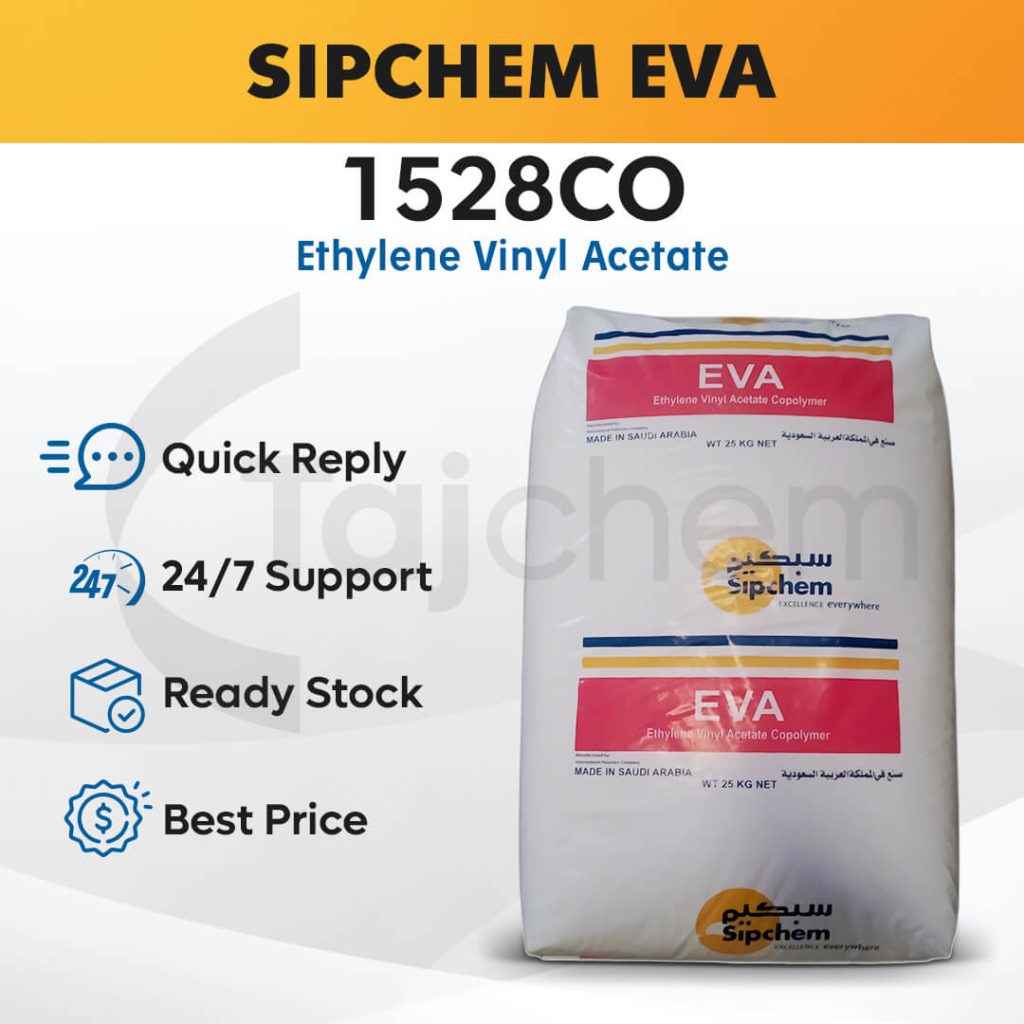
Sipchem EVA 1528CO

EVA 1528 CO is a 28% ethylene vinyl acetate (EVA) copolymer resin designed for a wide range of applications. Manufactured by IPC, an affiliate of Sipchem in the Kingdom of Saudi Arabia, using ExxonMobil’s high-pressure tubular process, EVA 1528 CO offers high transparency and excellent processing properties, making it ideal for products requiring clarity and reliable manufacturing performance.

Applications:
  • Solar Encapsulant Sheet
  • Hot Melt Adhesive
  • Compounding

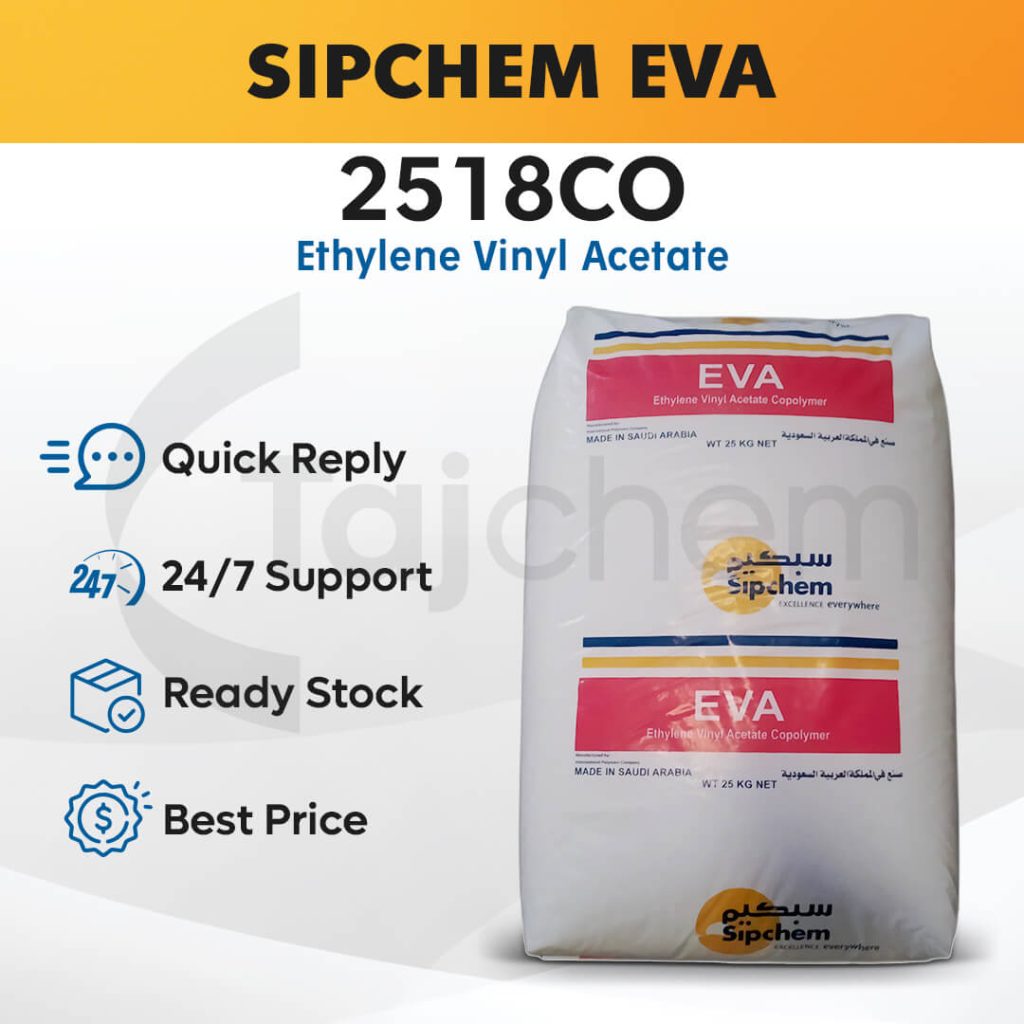
Sipchem EVA 2518CO

EVA 2518 CO is an 18% ethylene vinyl acetate (EVA) copolymer resin designed for a variety of foam molding applications. Manufactured by IPC, an affiliate of Sipchem in the Kingdom of Saudi Arabia, using ExxonMobil’s high-pressure tubular process, EVA 2518 CO features a low melting temperature, excellent processability, and strong mechanical properties, making it ideal for efficient and reliable foam production.

Applications:
  • Foams
  • Shoe Soles
  • Injection Moulding
  • Profile Extrusion
  • Compounds