Products

Products

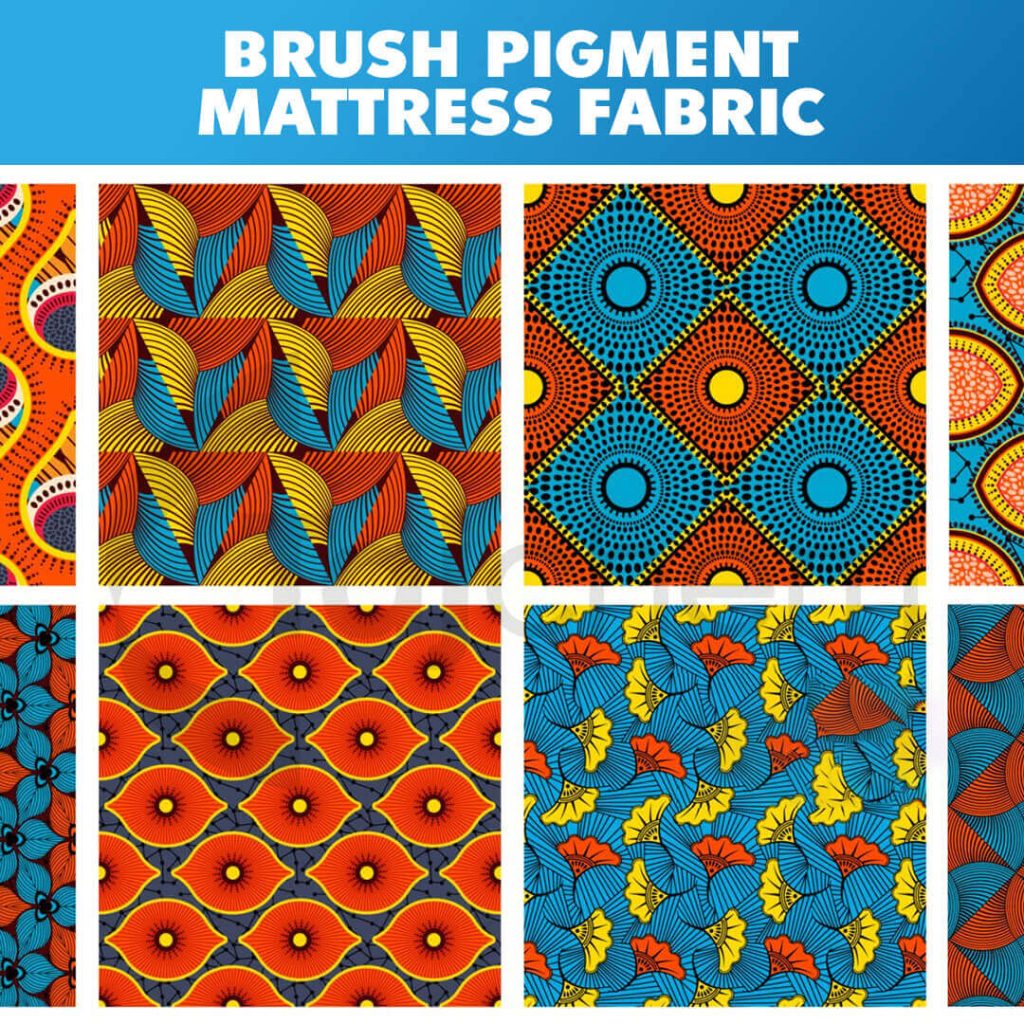
Mattress Fabric

Tajchem is a leading supplier of high-quality mattress fabrics. We carefully select fabric textures based on their performance, comfort, durability, and value—ensuring they meet the highest standards.

Our diverse range of mattress fabrics enhances the feel, appearance, and longevity of bedding products, making them ideal for various industry needs. With a strong commitment to quality and reliability, we consistently deliver premium fabrics at competitive prices—on time, every time.

Below are some of the best Mattress Fabrics Tajchem offers:
  • Brushed Fabric
  • Disperse Fabric
  • Knitted Fabric
  • Pongee Fabric
  • Jacquard Fabric
  • Tricot Fabric
  • TC144 Cotton Fabric

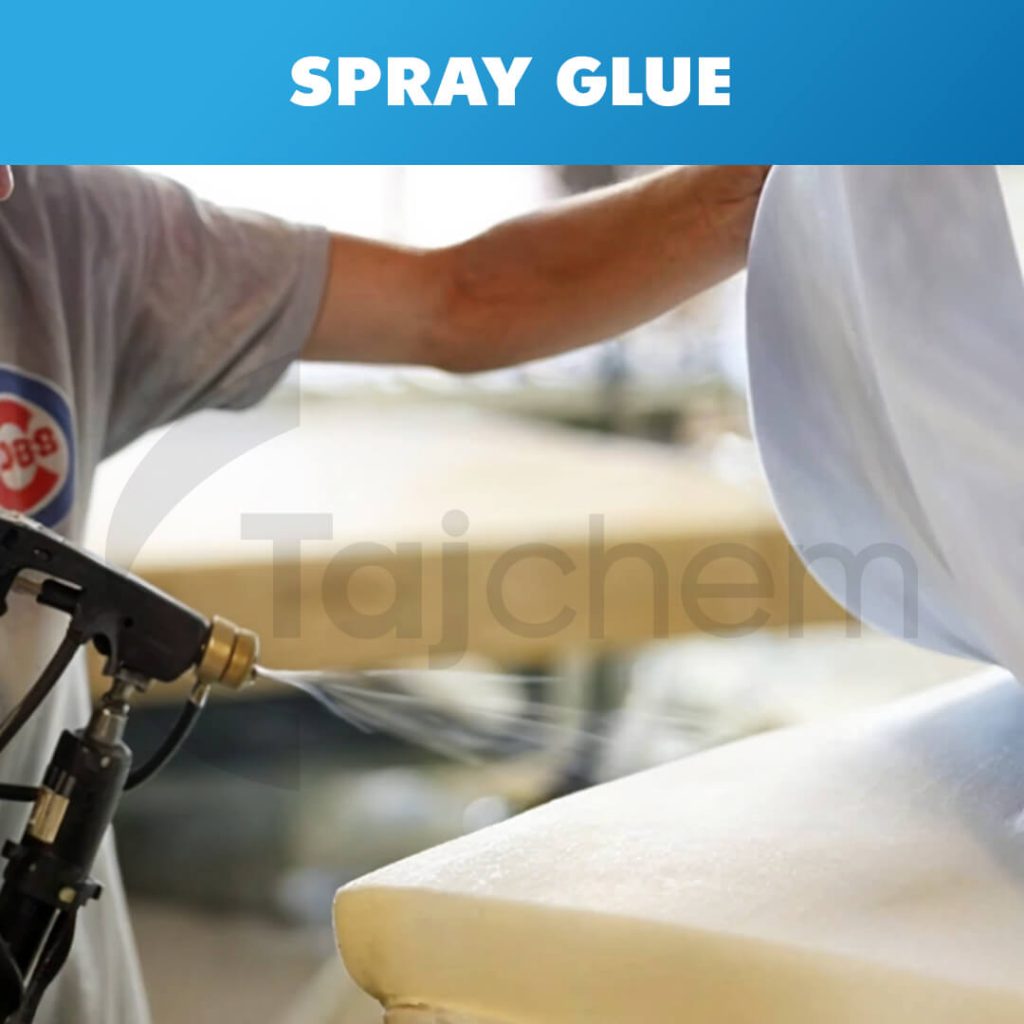
Spray Glue

Tajchem proudly offers SYNTAMAX spray glue, specially formulated for the mattress industry to provide a strong, durable bond between foam-to-foam used in mattress production.

Engineered to withstand pressure, movement, and temperature fluctuations, SYNTAMAX adhesives ensure all mattress layers remain securely in place without compromising on comfort, support, or durability.

Key Features:
  • Strong, lasting adhesion for consistent performance
  • Resistant to pressure and motion, maintaining mattress structure over time
  • Reliable bonding for both specialty and traditional mattresses
Suitable for a Wide Range of Mattress Types:
  • Toppers
  • Pocket spring and sandwich mattresses
  • Gel and memory foam mattresses
Our Mattress Adhesive Range:
  • Solvent-based adhesives
  • Water-based adhesives
  • Hot melt adhesives

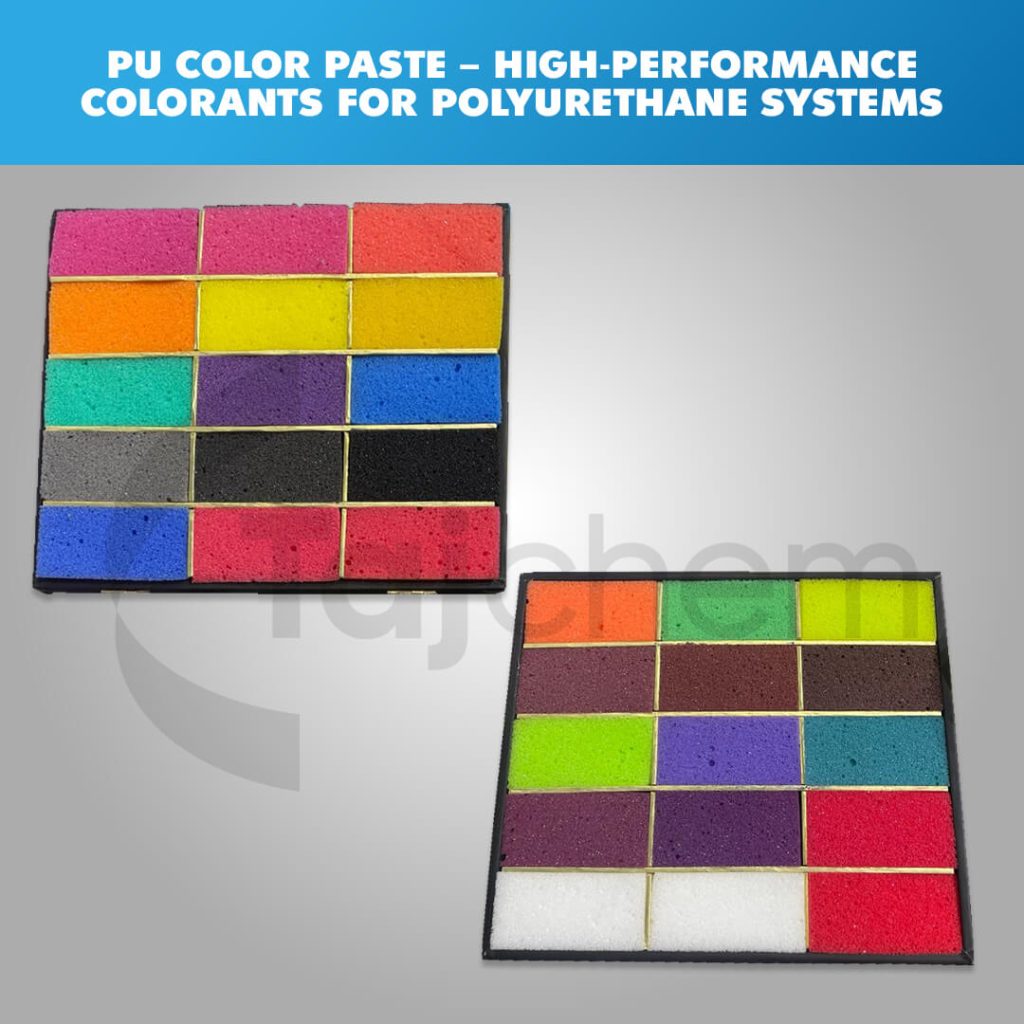
PU Color Paste – High-Performance Colorants for Polyurethane Systems

Tajchem’s PU Color Pastes are specially formulated for coloring expanded polyurethane systems, including both polyester- and polyether-based compounds. These pastes are made with high-quality organic and inorganic pigments dispersed in phthalate-free plasticizers, ensuring compatibility and safety across a wide range of applications.

Available Colors:
  • Green
  • Yellow
  • Blue
  • Red
  • Black
  • Other Colors
Key Applications:
  • Expanded polyurethane articles
  • Shoe soles and footwear components
  • Stable-form automotive parts
  • Flexible foam products
  • Flooring and coatings
  • Adhesives and sealants
  • Automotive interiors
  • Furniture & soft furnishings
  • Packaging foams
  • Soft toys
  • Integral skin foams
  • Insulation and sealing foams
Advantages:
  • Excellent compatibility with various polyol systems
  • Easy pigment dispersion for uniform results
  • Wide color range with bright, consistent tones
  • Phthalate-free and environmentally safer formulation
  • Outstanding storage stability
  • Reduced consumption compared to raw pigments
  • Delivers vivid, long-lasting color with minimal dosing

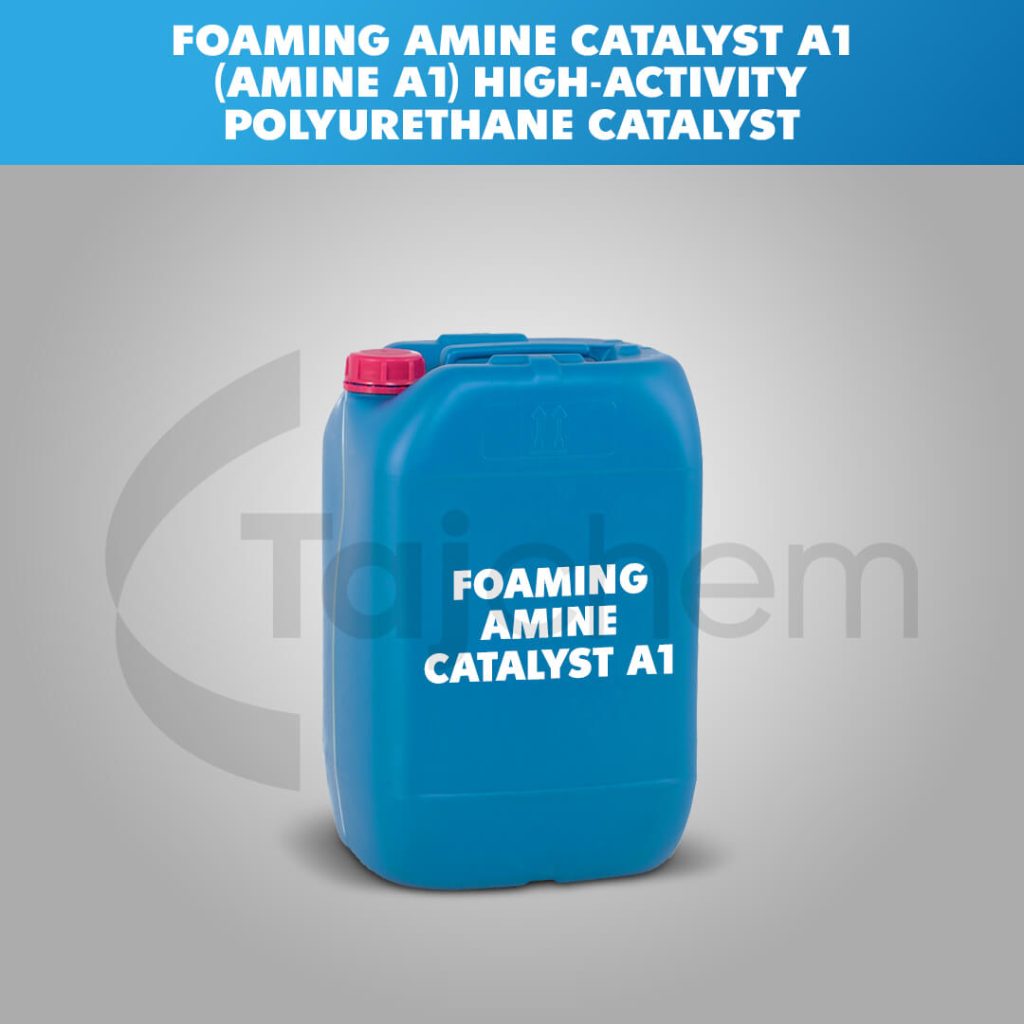
Foaming Amine Catalyst A1 (Amine A1) – High-Activity Polyurethane Catalyst

A1 is a highly active polyurethane catalyst designed for efficient foam formation across a wide range of PU applications, particularly in flexible foams that require high permeability and are challenging to process. It accelerates gas generation during the curing phase, enabling the formation of stable and consistent foam structures.

Key Benefits:
  • Enhanced Cell Uniformity: Promotes smoother surfaces and consistent foam texture, minimizing defects and waste.
  • Superior Mechanical Strength: Improves polymer crosslinking, resulting in durable and long-lasting foams.
  • Optimized Thermal Insulation: Precisely controlled cell structures enhance heat retention, ideal for insulation-grade applications.
Applications:
  • Rigid PU Foams – For thermal insulation in appliances and construction
  • Flexible Foams – Used in mattresses, cushions, and comfort products
  • Spray Foams – For sealing, bonding, and insulation in HVAC and construction
Temperature Control:

Maintain component temperatures around 25°C before mixing to ensure optimal reaction rates and foam properties.

Storage Guidelines:

Store A1 catalyst in tightly sealed containers, away from moisture and direct sunlight. Avoid prolonged exposure to humid conditions, as it may lead to hydrolysis and reduced catalytic efficiency.

Versatility Across Industries:
Industry Application Key Benefits
    Construction
    Roofing insulation, wall panels
    Energy efficiency, durability
    Automotive
    Seat cushions, dashboards, headliners
    Lightweight design, comfort
    Electronics
    Encapsulation, gaskets
    Shock absorption, thermal management
    Renewable Energy
    Wind blade cores, solar panel housings
    Structural integrity, weather resistance

Foam Hardeners – Enhancing PU Foam Strength and Durability

Foam hardeners are additives in polyurethane (PU) foam formulations, primarily used to increase load-bearing capacity and hardness—especially in furniture and bedding applications such as mattresses. They play a critical role in improving foam firmness, structure, and longevity.

Key Applications:
  • Furniture & Bedding: Enhances firmness and support in mattresses, cushions, and upholstered seating.
  • Automotive: Used in rigid foam parts like dashboards, door panels, and structural inserts for added strength.
  • Construction: Improves dimensional stability and environmental resistance in insulation and sealing foams.
Benefits:
  • Boosts foam hardness and structural integrity
  • Increases foam durability under load
  • Supports application-specific performance across industries
Safety Precautions:

Always wear appropriate personal protective equipment (PPE) and follow the manufacturer’s handling and usage guidelines for safe application.

Amine 33 Catalyst (A-33) – High-Performance PU Catalyst

Amine 33 (A-33) is a highly active, tertiary amine catalyst composed of 33% triethylene diamine and 67% dipropylene glycol. This colorless to amber liquid is widely used in the production of polyurethane (PU) foams, especially flexible, rigid, microporous, and high-resilience foams, as well as coatings and CASE applications.

Key Features:
  • Promotes Urethane Reaction: Enhances polyol-isocyanate reactivity in foam systems.
  • Low Emission Profile: Ideal for eco-friendly, low-VOC polyurethane foam production.
  • Excellent Compatibility: Does not impact foam elongation, compression, or hardness.
  • High Activity: Supports uniform foam quality and improved physical properties.
Applications:
  • A-33 is ideal for use in:
  • Flexible PU foams
  • Rigid PU foams
  • High-resilience foams
  • Microporous foams
  • PU coatings and CASE systems
Safety Instructions:
  • Avoid inhalation of vapors and mists.
  • Upon eye or skin contact, wash with water promptly and seek medical guidance.
  • If ingested, rinse mouth thoroughly and consult a physician.
  • Always wear appropriate protective clothing and consult the product’s MSDS before use.
Handling & Storage:
  • Store in sealed containers away from heat, moisture, and direct sunlight in a ventilated area.
  • Avoid exposure to any foreign substance, sunlight, and humidity
  • Follow proper industrial hygiene practices during handling.
  • In case of any spillage, absorb with inert material and dispose of according to local regulations. Prevent release into water systems.

Stannous Octoate T9 – High-Efficiency PU Catalyst

Stannous Octoate (T9) is a high-purity, light yellow oily liquid widely used as a key catalyst in the production of polyurethane (PU) foam. It plays a crucial role in gel reactions and is essential for manufacturing PU foams, elastomers, and coatings.

Key Features:
  • Consistent Quality: High purity ensures stable catalytic performance and uniform foam structure.
  • Fast & Efficient Reaction: Enhances foam elasticity, density, and durability.
  • Eco-Friendly: Compliant with environmental standards for sustainable production.
  • Versatile Use: Ideal for furniture, mattresses, automotive seating, and more.
Applications:
  • Furniture & Mattresses: Improves foam production for cushions and bedding.
  • Footwear: Enables faster and more consistent foam production for insoles and padding.
  • Sports Equipment: Boosts comfort and resilience in foam-based sports gear.
Storage:

Store in airtight containers away from moisture, heat, and contamination.

Silicone Surfactant (Silicone Polyethers)

Silicone polyethers, commonly referred to as silicone surfactants, are multifunctional additives widely utilized across industries. They act as emulsifiers, foaming agents, solubilizers, and softeners, while also enhancing leveling, slip, and mar resistance in coating formulations.

Key Benefits of Silicone Surfactants:
  • Superior Surface Tension Reduction – Improves application performance
  • Exceptional Wetting Ability – Ensures better spreading on various surfaces
  • Foam Control – Offers both antifoaming and foam-stabilizing properties
  • Low Toxicity – Safe for personal care and pharmaceutical use
  • High Emulsification Efficiency – Compatible with diverse media
Industry Applications:
  • Personal Care & Cosmetics: Ideal for creams, shampoos, and skincare due to their gentle, non-irritating nature and excellent compatibility.
  • Textile Processing: Used for softening, antistatic effects, and sanitization, particularly in cationic formulations.
  • Agricultural Chemicals: Enhance pesticide spread, adhesion, and penetration, improving overall effectiveness on plant surfaces.
  • Food & Pharmaceuticals: Serve as food-grade defoamers and processing aids in medical formulations.
  • Leather Finishing: Function as fat liquors and softeners, improving dispersion, lubrication, and finish in leather treatment.
  • Metalworking & Cleaning: Provide efficient cleaning action in metal manufacturing and maintenance.
  • Plastics & Polyurethane Foams: Play a crucial role in PU foam production as stabilizers and flame-retardant additives.


Tajchem’s silicone surfactants are produced using cost-effective raw materials and gentle processing methods, offering consistent quality and performance across a wide range of industrial applications.

Methylene Chloride (MCL / Dichloromethane / DCM)

Methylene Chloride, also known as Dichloromethane (DCM), is a colorless, transparent organic solvent with the chemical formula CH₂Cl₂. It has a strong, ether-like odor and is slightly soluble in water, ethanol, and ether. Due to its low boiling point and non-flammable nature, MCL is often used as a safer alternative to more flammable solvents such as petroleum ether.

At elevated temperatures and high vapor concentrations, MCL may form weakly combustible gas mixtures. It is valued for its versatility and is widely used in polyurethane foam production and other industrial processes.

Role in Polyurethane Foam Production:

MCL is a key blowing agent in the manufacturing of flexible PU foams, especially in applications such as mattresses, cushions, and padding. It vaporizes quickly when mixed with components like polyol and isocyanate, generating gas bubbles that expand and cure to form foam structures.

Applications:
  • Intermediate for pharmaceutical manufacturing
  • Solvent in the production of vitamins, antibiotics, film materials, and aerosols
  • Used as a paint remover and metal degreaser
  • Component in plastic welding adhesives
  • Solvent in PVC cement formulations
  • Applied in the synthesis of flame-retardant compounds and fine chemicals
Industries Served:
  • Pharmaceuticals – as a reaction medium
  • Adhesives & Plastics – for bonding and welding
  • Agrochemicals – in pesticide and herbicide formulations
  • Food & Beverage – used in decaffeination of coffee and tea
  • Film & Printing – solvent in film coatings and ink production
  • Metalworking – as a degreasing agent and mold release
Handling & Safety Precautions:
  • In case of fire, use foam, dry powder, steam, or water spray to extinguish
  • It is recommended to use goggles and gloves while interacting and avoid skin or eye contact
  • In case of exposure:


Eyes: Rinse immediately with plenty of water

Skin: Wash thoroughly with soap and water


Storage Guidelines:
  • Store at 10–30°C in a cool, dry, and well-ventilated space
  • To prevent moisture absorption, keep the containers tightly sealed
  • Ideal processing temperature: 10–15°C

Pre Polymeric MDI

Prepolymers are reactive intermediates used in polymer manufacturing. They remain soluble and meltable, making them ideal for controlled processing. Polyurethanes can be produced through:

One-step method: Direct reaction of a polyol with a polyisocyanate

Two-step method: Formation of a prepolymer followed by chain extension to form the final polymer

Key Applications:
  • Cast polyurethane components
  • Rigid and semi-rigid foams
  • Flexible polyurethane foams
Common Uses Across Industries:
  • Insulation: Used in rigid polyurethane foams for thermal insulation in buildings, refrigerators, cold storage units, and refrigerated transport.
  • Construction: Used in insulated panels, pre-insulated pipes, and as a binder in engineered wood products such as particleboard and fiberboard.
  • Refrigeration: Essential for thermal insulation in household and commercial refrigeration systems.
  • Automotive: Used in seating, dashboards, headliners, and as a binder for composite parts.
  • Coatings, Adhesives, Sealants, and Elastomers (CASE): Ideal for coatings, adhesives, sealants, and elastomers, offering weather resistance, strength, and durability.
  • Footwear & Sports Equipment: Used in the manufacturing of footwear soles, protective gear, and sporting goods.
  • Binders for waste foam/Rubber Recycling: Prepolymer-based binders help convert waste foam and rubber into value-added products such as orthopedic mattresses and rubber flooring tiles.