
Other Chemicals

Other Chemicals

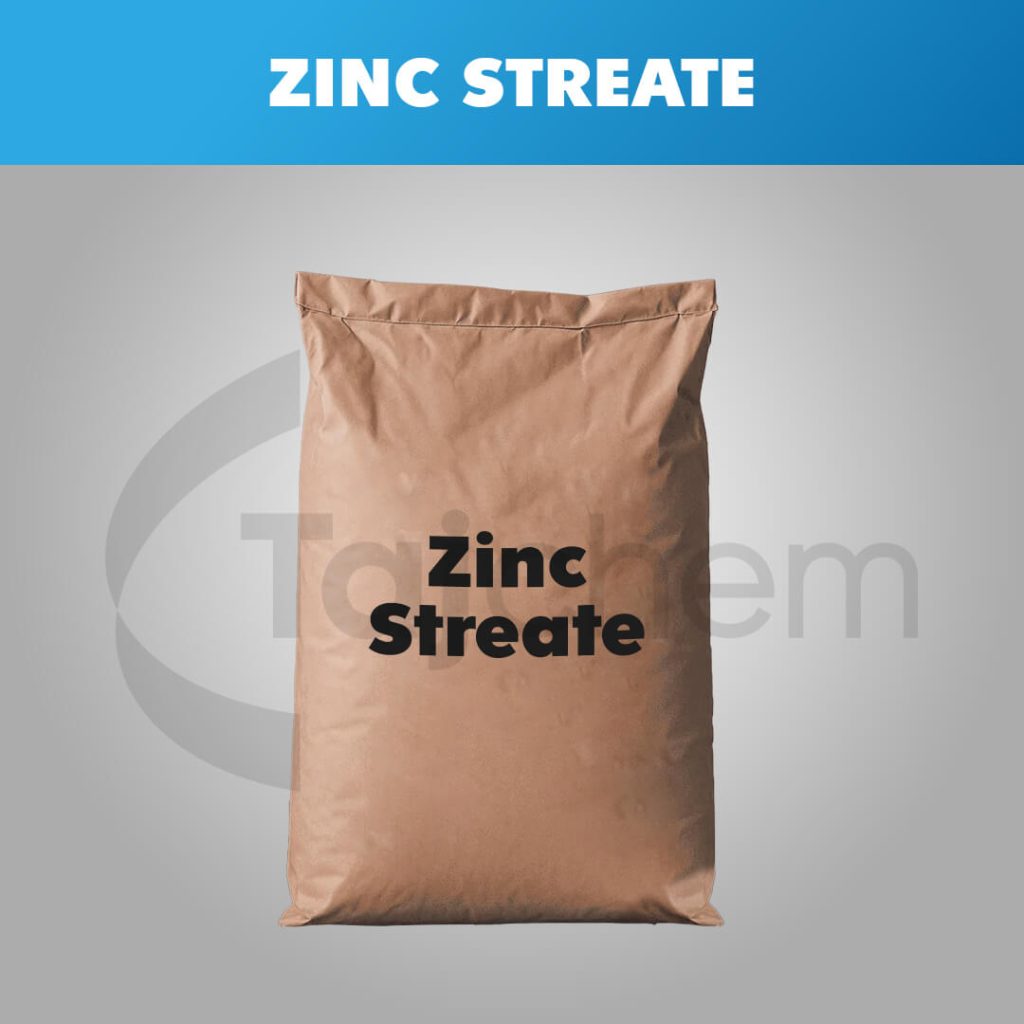
Zinc Streate

A hydrophobic lubricant and matting agent used in coatings, plastics, and rubber to improve flow and surface properties.

Properties:
  • Appearance: A fine, white powder.
  • Texture: Silky and smooth to the touch.
  • Water Repellency: Its hydrophobic nature makes it effective in repelling water.
  • Heat Stability: It is very stable under high-temperature conditions.
  • Solubility: Insoluble in water, alcohol, and ether, but soluble in certain aromatic and chlorinated hydrocarbons when heated.
  • Safety: Considered non-toxic, with certain grades approved for cosmetic and food use.
Applications:
  • Plastics & Rubber: A key release agent, lubricant, and processing aid for these industries. It can also act as a heat stabilizer and softener for PVC.
  • Cosmetics: Functions as a binder, anti-caking agent, lubricant, thickener, and texturizer to improve the texture and spreadability of powders, foundations, and lotions.
  • Coatings: Used as a sanding additive in lacquers and to increase flame resistance.
  • Other Industries: Finds use in the paper, concrete, construction materials, and pharmaceuticals industries.
    Food: Can be used as an anti-caking agent to prevent clumping in powdered foods.
REACTIVE DILUENT

A low-viscosity epoxy modifier that reduces system viscosity and improves wetting without compromising mechanical strength.

Properties:
  • Viscosity Reduction: Their primary function is to lower the viscosity of high-viscosity resins, improving handling and workability.
  • Improved Wetting and Flow: They reduce surface tension and enhance the ability of the resin to wet surfaces and disperse fillers more effectively.
  • Covalent Incorporation: Unlike non-reactive diluents, reactive diluents react with the principal oligomers during the curing process, becoming a permanent part of the final polymer network.
  • Minimal Performance Impact: They are designed to reduce viscosity with minimal detrimental effects on the cured material’s physical, mechanical, or thermal properties, such as flexibility or chemical resistance.
Applications:
  • Epoxy Adhesives and Sealants: Essential for precision bonding, electronics assembly, and construction repair, where high-performance adhesion is required.
  • Automotive Coatings: Used to formulate high-performance protective and decorative coatings for vehicles, offering resistance to corrosion and scratches.
  • Protective and Architectural Coatings: Applied in paints and coatings for buildings to enhance durability, weather resistance, and aesthetic appeal.
  • Composites: Used in the manufacturing of composite materials for various industries, including electronics and aerospace, to improve processing.
  • UV/EB Curable Coatings and Inks: Found in radiation-cured inks and coatings for applications like overprint varnishes and traffic paints, where they provide rapid cure and high gloss.

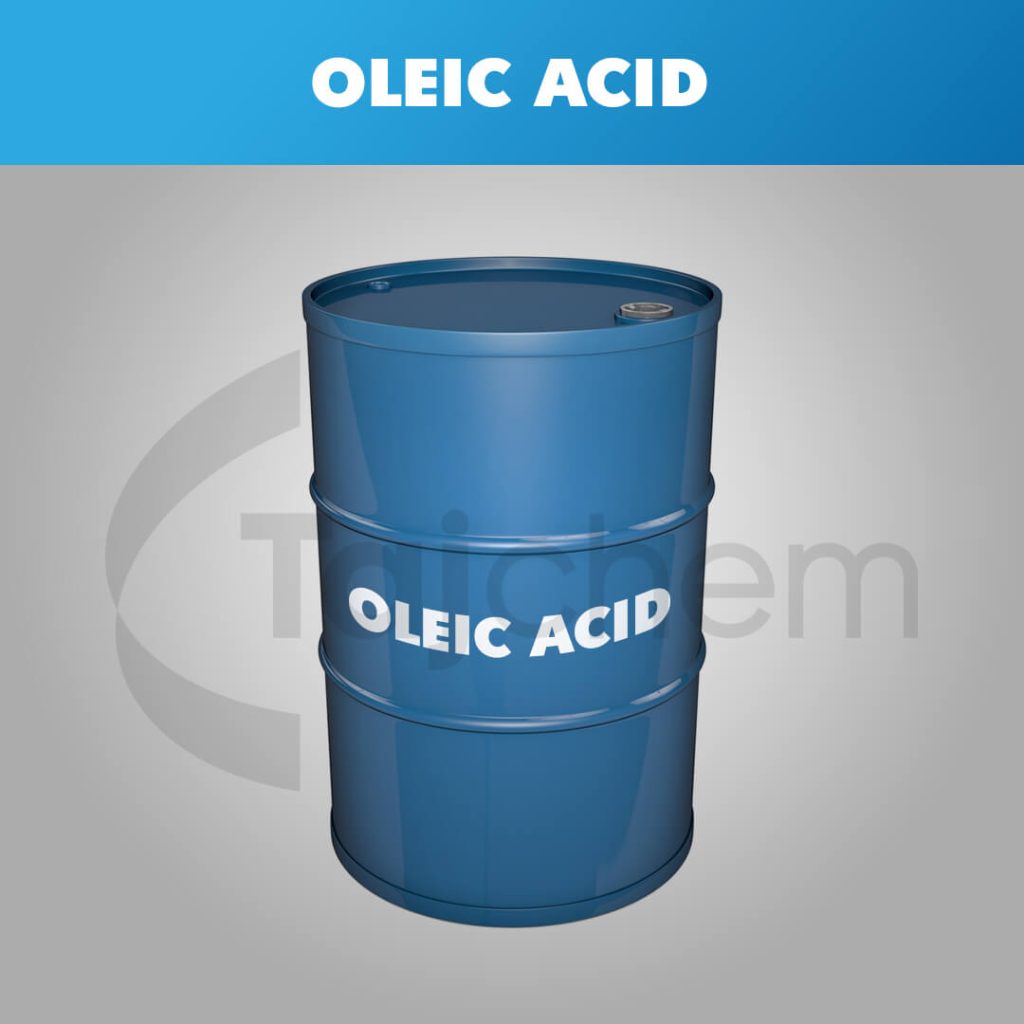
Oleic Acid

A fatty acid used as an emulsifier, lubricant, and dispersing agent in coatings and pigment preparations.

Properties:
  • Monounsaturated: It is an unsaturated fatty acid with one double bond, which gives it its liquid state at room temperature.
  • Emollient & Moisturizing: It softens the skin and helps retain moisture, acting as a natural emollient.
  • Antioxidant: It helps protect against damage from free radicals.
  • Good Absorption: The human body absorbs and metabolizes it efficiently.
  • Insoluble in Water: It is not soluble in water but dissolves in organic solvents.
  • Smooth Texture: It provides a smooth texture in cosmetic formulations.
  • Carrier: It is an excellent carrier for other nutrients and active ingredients in food and cosmetic products.
Applications:
  • Food Industry: Found in cooking oils and spreads, it improves oxidation stability and prolongs shelf life.
  • Cosmetics: Used in lotions, creams, and hair products for its moisturizing, softening, and emollient qualities.
  • Pharmaceuticals: Serves as a solvent for drugs, enhances absorption of topical and lipophilic drugs, and aids in creating soft pills.
Industrial:
  • Lubricants: Used in biodegradable lubricants and as a textile auxiliary to soften fibers.
  • Chemicals: Acts as an emulsifier, component in cutting fluids, defoamer, and corrosion inhibitor.
  • Materials: A precursor for biodegradable plastics and a component in biofuel production.

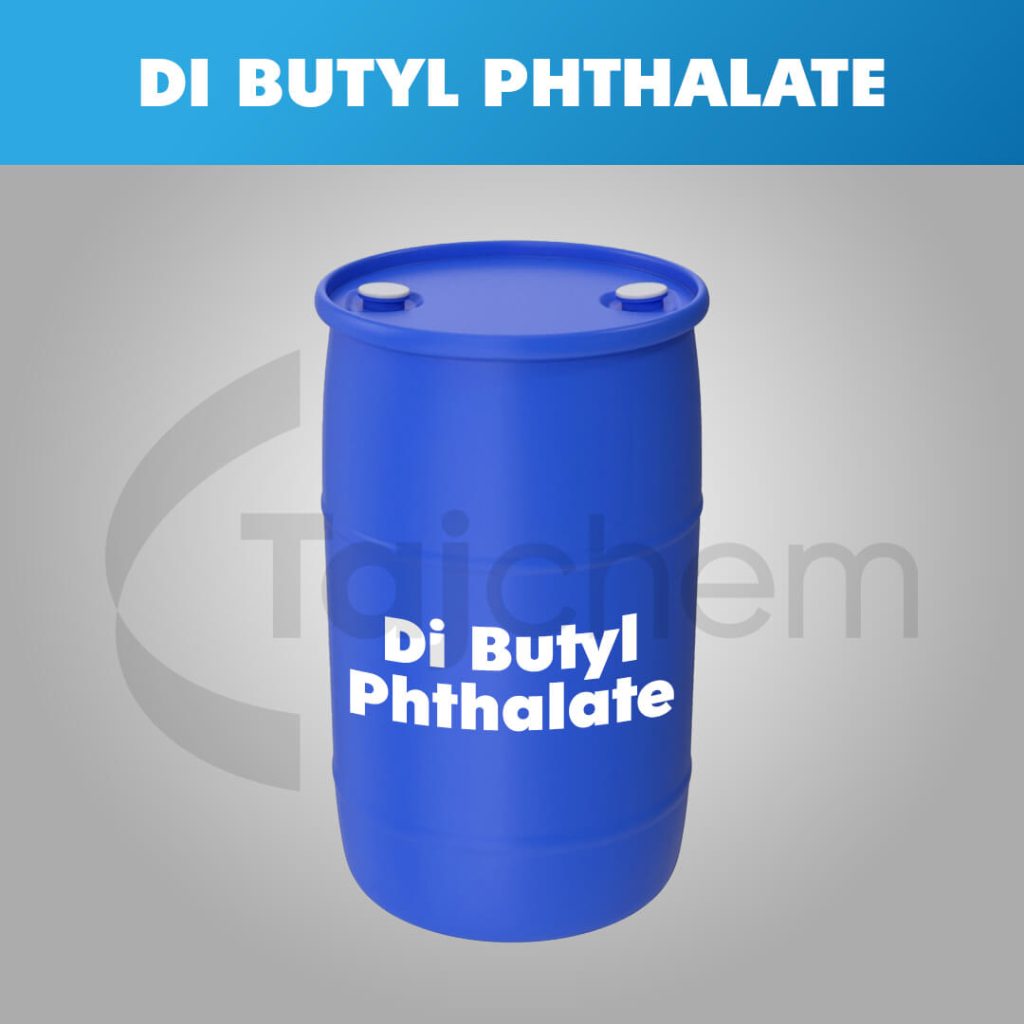
Di Butyl Phthalate

A plasticizer used to improve flexibility and workability in coatings, adhesives, and sealants. It enhances film formation and durability.

Properties:
  • Physical Form: A colorless, oily liquid with a weak or faint aromatic odor.
  • Solubility: Insoluble in water but soluble in most organic solvents.
Applications:

DBP is used as a plasticizer and solvent in various products, including:

  • Plastics and Rubber: Makes plastics flexible, like those in hoses and car interiors.
  • Adhesives and Sealants: Used as an ingredient in glues and sealants.
  • Cosmetics: Found in nail polish, hair sprays, and as a perfume oil solvent and fixative.
  • Coatings: Used in lacquers, paints, and paper coatings.
  • Other Uses: Found in explosives, insecticides, and as a textile lubricating agent.

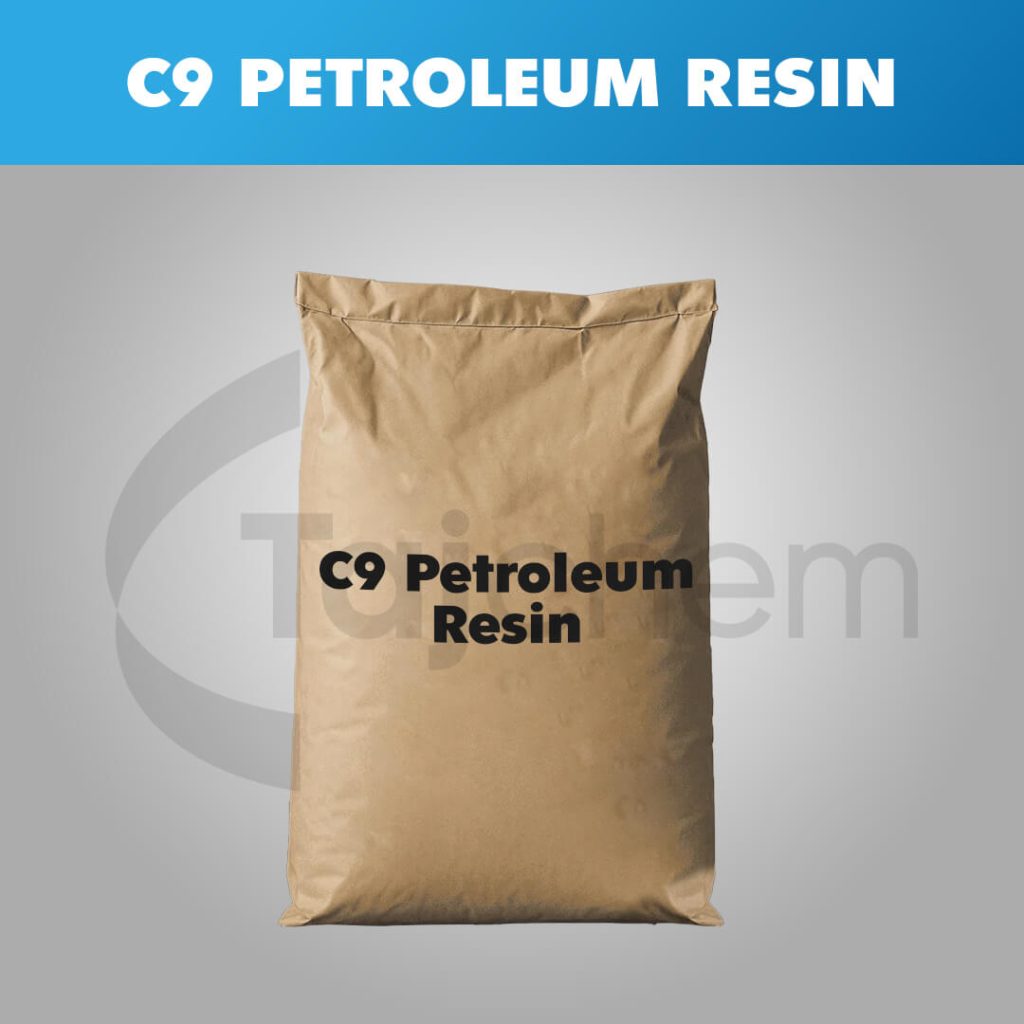
C9 PETROLEUM RESIN

A thermoplastic resin derived from C9 aromatic hydrocarbons, used to improve gloss, adhesion, and hardness in paints, inks, and adhesives.

Properties:
  • Tackifier: Increases the stickiness and bonding strength of adhesives and sealants.
  • Adhesion Promoter: Enhances bonding to various surfaces in applications like coatings and road marking paints.
  • Chemical Resistance: Offers good resistance to acids, bases, and other chemicals.
  • Water Resistance: Provides excellent water-repellent properties.
  • Compatibility: Mixes well with various polymers, resins, and other materials.
  • Thermal Stability: Maintains its properties under different temperature conditions.
  • Low Acidity: Characterized by a low acid value.
  • Viscosity Adjustment: Can regulate and adjust the viscosity of formulations
Applications:
  • Adhesives: Used as a tackifier in hot melt, pressure-sensitive, and contact adhesives to boost adhesion and cohesion.
  • Printing Inks: Functions as a binder and modifier in inks to improve printability, gloss, and adhesion to substrates.
  • Paints and Coatings: Acts as a film-forming agent, rheology modifier, and adhesion promoter in various paint formulations.
  • Rubber Compounding: Serves as a softener and reinforcer in the production of rubbers and tires.
  • Road Markings: Incorporated into road marking paints to provide good adhesion to pavement, wear resistance, and weatherability.
  • Sealants: Enhances the performance and bonding strength of various sealants.