

Cellulose Ethers

Cellulose Ethers

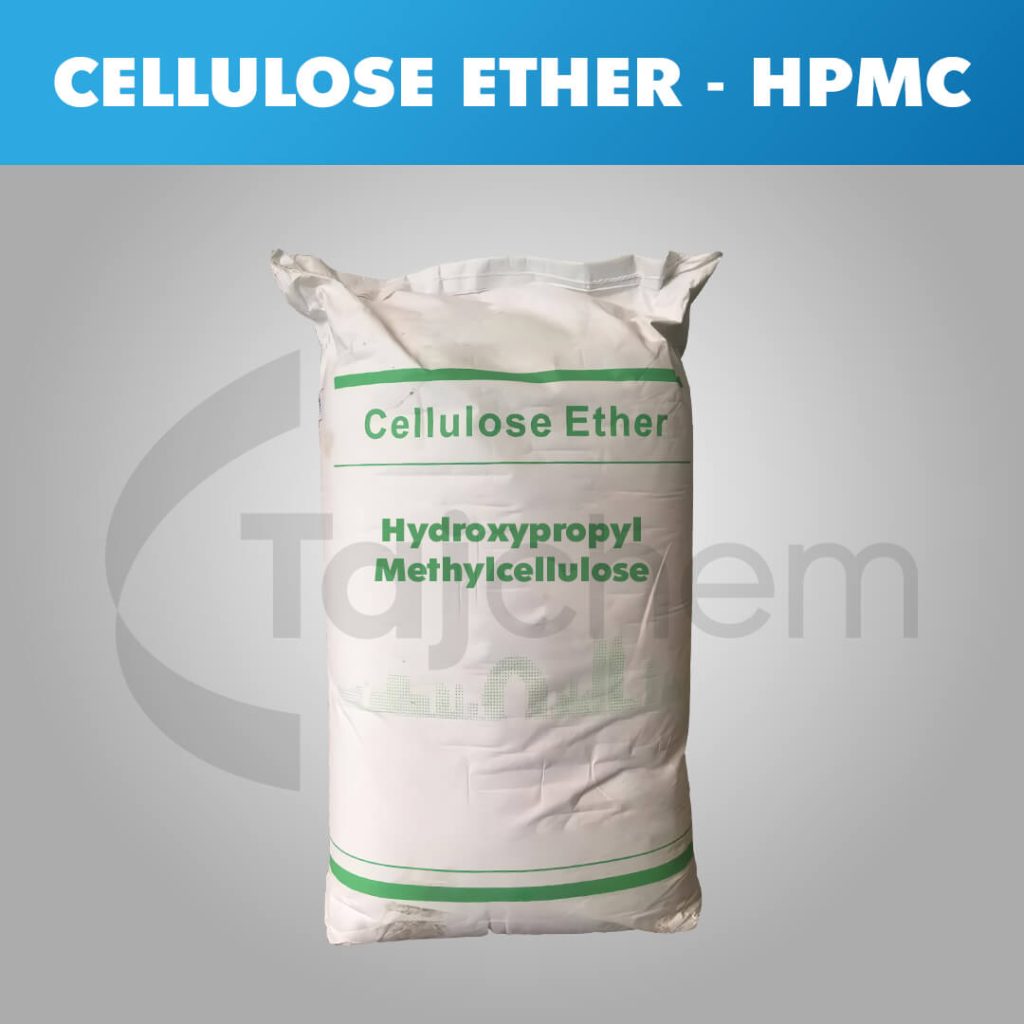
HPMC

Hydroxypropyl methyl cellulose (HPMC)is a multifunctional polymer that serves as a thickener, binder, and stabilizer in diverse industries such as construction, pharmaceuticals, food, and cosmetics. It improves workability and texture and provides controlled release in various formulations.

Properties:

  • Physical Appearance: It is a white to slightly off-white, odorless, and tasteless, free-flowing fibrous or granular powder.
  • Solubility: HPMC dissolves in cold water to form colloidal solutions.
  • Thermal Gelation: Solutions of HPMC exhibit reversible gelation when heated, forming a semi-flexible, non-flowable mass.
  • Non-ionic: As a non-ionic polymer, it does not complex with ionic species.

Applications:

  • Cosmetics: Lotions, creams, gels, and hair care products.
  • Food Industry: As a vegan alternative to gelatin and a gluten replacement in baking.
  • Pharmaceuticals: In eye drops for dry eye syndrome and as a binder in supplements and other medicines.
  • Construction: In tile adhesives, cement renders, and gypsum products to improve water retention and workability.
  • Other Industries: Detergents, cleaners, paints, and coatings.
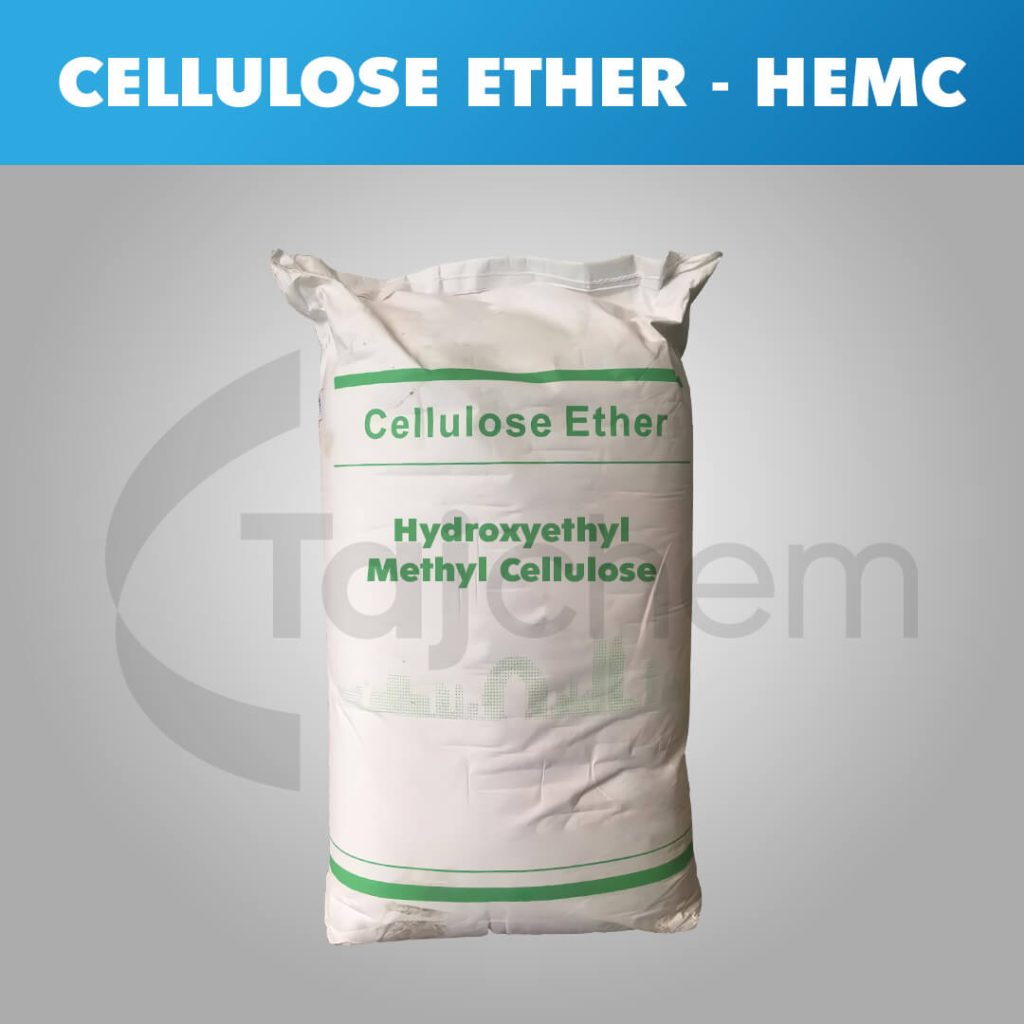
HEMC

Hydroxyethyl methyl cellulose (HEMC) is a non-ionic cellulose ether known for its strong water retention, thickening ability, and film-forming performance. It is widely applied across industries such as construction, paints, pharmaceuticals, and personal care products.

Properties:

  • Appearance: White to off-white, tasteless, odorless powder
  • Solubility: Dissolves in cold water to form a clear, viscous colloidal solution.
  • Thickening & Water Retention: Excellent for increasing viscosity and retaining water, which is crucial for building materials like mortars to prevent premature drying.
  • Film Forming: Can form a strong, clear, and flexible film upon drying.
  • Stability: Offers good stability in solutions and is resistant to salts and temperature changes.
  • Non-Ionic Nature: Does not dissociate in water, providing stability in pH-independent systems.

Applications:

  • Construction: Improves workability, water retention, and adhesion in plasters, renders, tile adhesives, and joint compounds.
  • Paints: Acts as a rheology modifier and provides water retention and thickening in water-based paints.
  • Pharmaceuticals: Used in sustained-release formulations, as a binder, coating agent, or for viscosity control.
  • Personal Care & Cosmetics: Functions as a thickener and stabilizer in products like shampoos, lotions, and toothpaste.
  • Food Industry: Can serve as a thickener, emulsifier, or water retention agent.