
Group 2 Base Oil

Group 2 Base Oil

Base Oil 600N

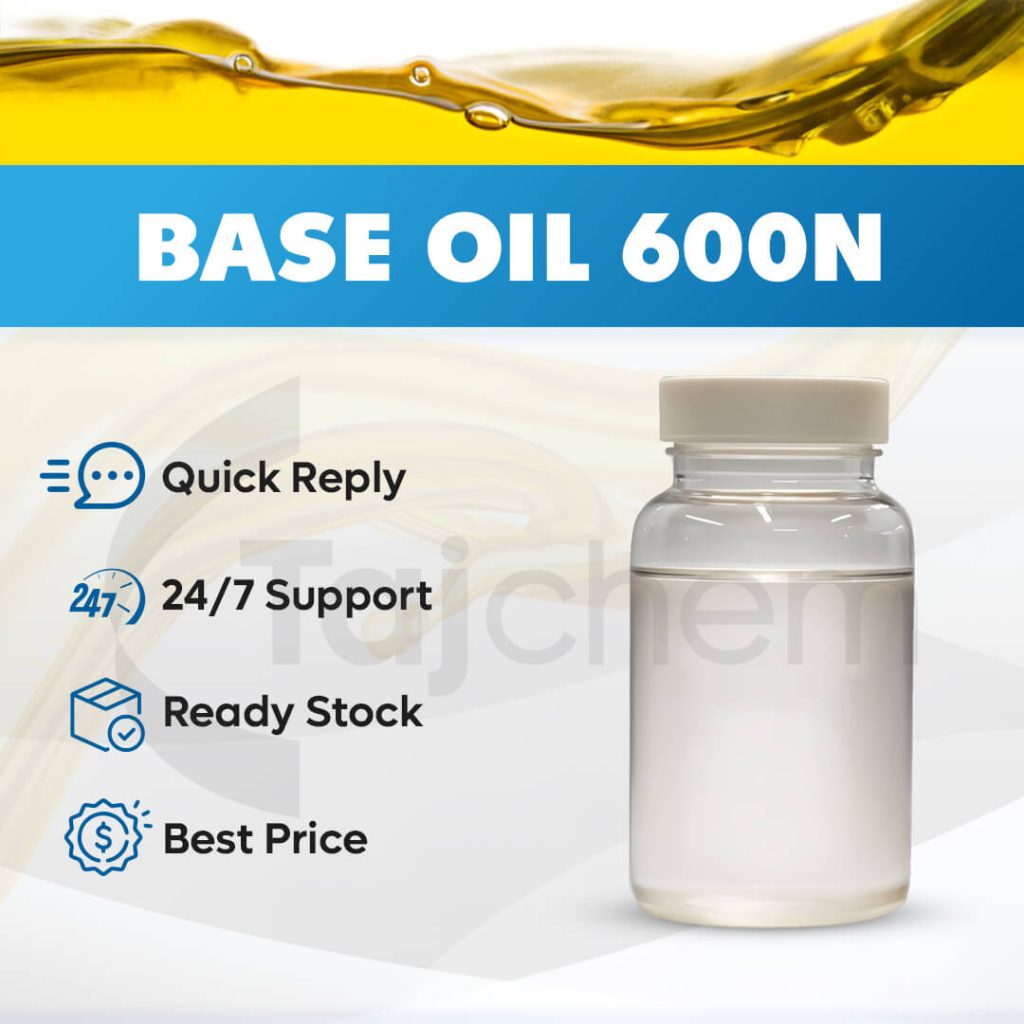
N600 is a high-viscosity Group II base oil produced through hydrocracking and hydroprocessing, which significantly increases saturation levels and eliminates impurities such as sulfur, nitrogen, and aromatics. These advanced refining techniques result in a cleaner, more stable oil with enhanced thermal and oxidative performance.

This base oil performs well in areas such as volatility control, oxidation stability, and flash/fire points. However, it offers only moderate performance in low-temperature behavior, including pour point, cold crank viscosity, and extreme pressure wear resistance. With a viscosity of approximately 11.5-12.8 cSt at 100°C, N600 is a reliable choice for applications requiring high-temperature stability and cleanliness.

Advantages:
  • Improved Oxidation Stability — prolongs lubricant life and prevents sludge buildup
  • Lower NOACK Volatility — minimizes evaporation and oil consumption
  • Stable Viscosity — ensures consistent lubrication over a wide temperature range
  • Superior Base Number Retention — enhances detergent performance for longer protection
  • Cost Efficiency — offers Group II benefits at a price close to Group I
  • Reduced Component Wear — protects engine and machinery parts from frictional damage
  • Extended Drain Intervals — supports longer lubricant service life
Standout Features:
  • Excellent high-temperature resistance
  • Strong antioxidant performance
  • Low sulfur content – safer for operators and environmentally friendly
  • Colorless, odorless, and highly refined transparent oil
Applications:
  • Transformer oils
  • Ink oils
  • Marine oils
  • Industrial gear oils
  • Automotive transmission fluids
  • White oils
  • Process oils
  • Gear and axle oils
  • Multi-purpose lubricants
  • Mold release oils
  • Hydraulic oils
  • Motion control oils
Health & Safety Information:

This lubricant is formulated with highly refined mineral oils and performance additives. Under normal usage conditions, it poses no significant toxic hazard. However, handle all lubricants with care to ensure user safety and environmental protection.

  • Prolonged skin contact can irritate—clean the area thoroughly after exposure.
  • In the event of skin contact, cleanse the area immediately using soap and water.
  • Do not dispose of used oil into drains, watercourses, or the environment.
  • Dispose of the used oil at an authorized collection or recycling facility.
Base Oil 500N

N500 Base Oil is a Group II hydrocracked base oil produced through advanced hydroprocessing, which increases the saturated content while effectively removing impurities such as sulfur, nitrogen, and metals. This method produces a cleaner, more stable oil with enhanced performance properties compared to traditional Group I base oils.

N500 offers moderate to strong performance in key lubricating properties such as oxidative stability, volatility, and flash/fire points, making it suitable for a wide range of lubricant formulations. However, its performance is more limited in areas like low-temperature properties, cold crank viscosity, and extreme pressure wear protection.

With a viscosity of approximately 9.8-12.3 cSt at 100°C, N500 is considered less polar, making it ideal for applications requiring high thermal and oxidative stability.

Advantages:
  • Excellent Oxidation Control: Enhances oil life and engine cleanliness
  • Lower NOACK Volatility: Reduces oil evaporation and consumption
  • Stable Viscosity: Maintains optimal viscosity across varying operating conditions
  • Superior Base Number Retention: Prolongs detergent effectiveness and oil service life
  • Cost-Effective: Offers improved performance while remaining price-competitive with Group I oils
  • Wear Protection: Helps minimize engine wear and extend component life
  • Longer Drain Intervals: Supports extended oil change intervals, reducing maintenance frequency
Applications:
  • Transformer oils
  • Ink oils
  • Marine oils
  • Industrial gear oils
  • Automotive transmission fluids
  • White oils
  • Process oils
  • Gear oils
  • Axle oils
Health & Safety Information:

This lubricant is formulated with highly refined mineral oils and performance additives. Under normal usage conditions, it poses no significant toxic hazard. However, handle all lubricants with care to ensure user safety and environmental protection.

  • Prolonged skin contact can irritate—clean the area thoroughly after exposure.
  • In the event of skin contact, cleanse the area immediately using soap and water.
  • Do not dispose of used oil into drains, watercourses, or the environment.
  • Dispose of the used oil at an authorized collection or recycling facility.
Base Oil 220N

N–220 Base Oil is a Group II virgin base oil produced through advanced hydrocracking and hydro processing techniques. These methods significantly increase the saturated content while effectively removing sulfur, nitrogen, and other impurities, resulting in a cleaner and more stable lubricant base.

With a viscosity of approximately 5.8-6.8 cSt at 100°C and 40-46 cSt at 40°C, 220N offers moderate to good lubricating performance, making it suitable for use in a variety of automotive and industrial lubricant formulations.

Advantages:
  • Superior Oxidation Resistance: Provides better protection against thermal breakdown and sludge formation.
  • Improved NOACK Volatility Performance: Reduces oil consumption and evaporative loss under high temperatures.
  • Enhanced Viscosity Stability: Maintains optimal viscosity over time, ensuring consistent lubrication.
  • Better Base Number Retention: Helps preserve detergent properties, extending oil life and engine cleanliness.
  • Cost-Effective: Competitively priced, offering a performance upgrade over Group I oils at a marginal cost difference.
  • Extended Drain Intervals: Reduces the frequency of oil changes, minimizing maintenance downtime.
  • Reduced Wear: Offers superior film strength, minimizing wear on critical engine components.
Applications:
  • Transformer oils
  • Marine and industrial gear oils
  • Automatic transmission fluids (ATF)
  • White oils
  • Gear and axle oils
  • Anti-adhesive formulations
  • Anti-caking agents and solutions
Health & Safety Information:

This lubricant is formulated with highly refined mineral oils and performance additives. Under normal usage conditions, it poses no significant toxic hazard. However, handle all lubricants with care to ensure user safety and environmental protection.

  • Prolonged skin contact can irritate—clean the area thoroughly after exposure.
  • In the event of skin contact, cleanse the area immediately using soap and water.
  • Do not dispose of used oil into drains, watercourses, or the environment.
  • Dispose of the used oil at an authorized collection or recycling facility.
Base Oil 150N

N150 Base Oil is a popular Group II base oil commonly used in manufacturing premium lubricants. It is manufactured through an advanced hydrocracking refining process that enhances its chemical structure, resulting in improved stability and performance compared to lower-grade oils. It has a viscosity of 5-5.5 cSt at 100°C. As a light refined base oil, N150 ranks close to the lower threshold within Grade II light base oil standards. The production involves solvent refining and dewaxing steps, followed by hydrotreatment to remove impurities and optimize product purity.

Primarily, N150 serves as a reliable base stock for lubricant and lubricant additive formulations across various industrial and automotive applications.

Applications:

N 150 serves as a base stock for several industrial lubricants

  • General purpose oils
  • Mould oil
  • Transmission fluids
  • Gear oils
  • Metal working fluids
  • Additives
  • Hydraulic oils
  • Machine oils
  • Hydraulic oils
  • Engine oil
  • Transmission oils for automatic transmissions
  • Technological oils
  • Maintenance oils
  • Protective oils
  • Anti-adhesive oils
  • Anticaking solutions
Safe Handling Guidelines:

These lubricants are formulated with highly refined mineral base oils and specific additives. Under normal use, they do not pose significant toxic hazards. However, all lubricants should be handled with care to ensure safety and environmental protection.

Precautions:

Avoid prolonged or repeated contact with skin. Prevent splashing and exposure to combustible materials. Always store in a covered area, away from sources of pollution. Dispose of used oil responsibly—never pour it into drains, watercourses, or onto the ground.

Base Oil 110N

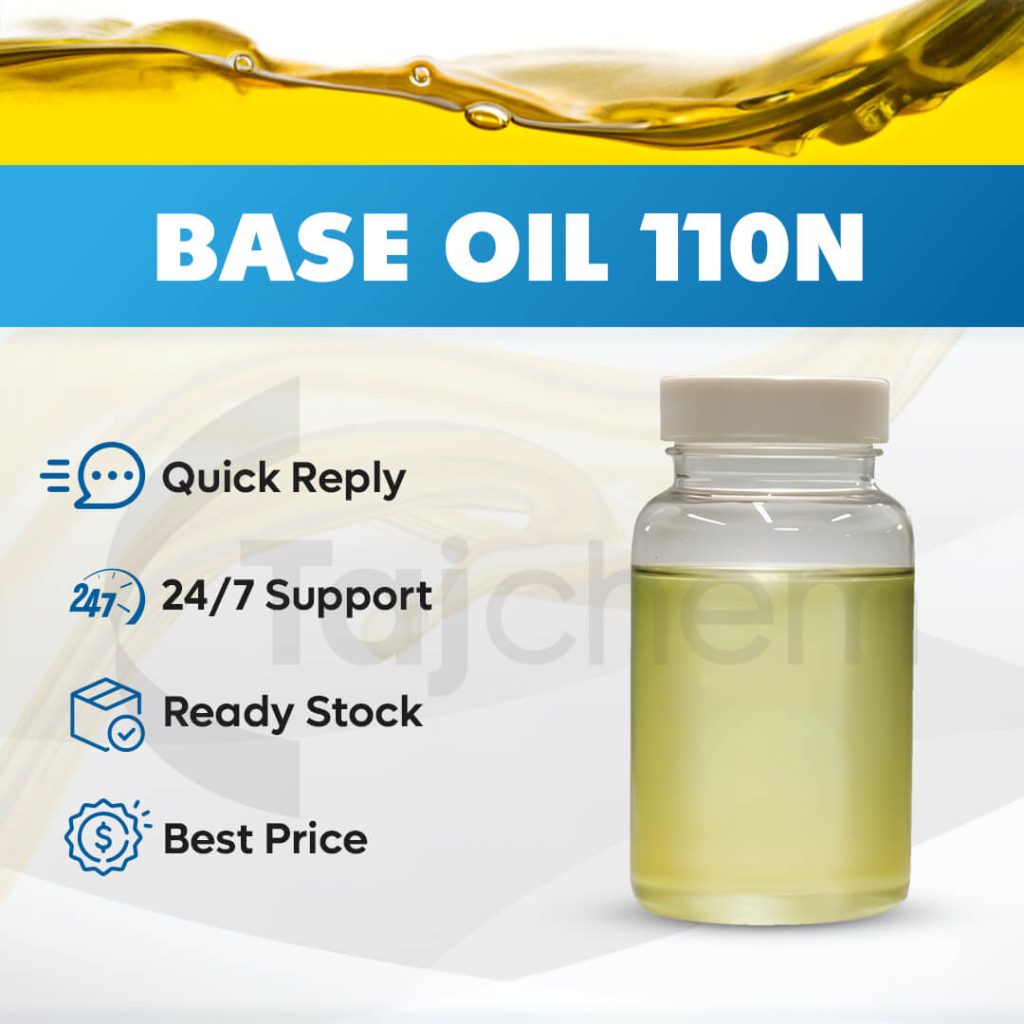
110N is a Group II paraffinic base oil characterized by low viscosity and high purity. It is produced through advanced hydrocracking and hydro-dewaxing, which effectively removes sulfur, nitrogen, metals, and other impurities. The result is a clean, highly saturated base oil with excellent thermal and oxidative stability. It has a viscosity of 3.8-4.4 cSt at 100°C and 21-25 cSt at 40°C. With lower NOACK volatility than many other Group II 4 cSt base oils, 110N is particularly well-suited for engine oil formulations and other high-performance lubricant applications requiring low evaporation and consistent viscosity.

Key Features:
  • Water-clear and colorless
  • Highly saturated for enhanced chemical stability
  • Outstanding oxidation and thermal resistance
  • Excellent demulsibility for efficient water separation
  • Designed with low volatility to decrease oil evaporation and reduce emissions.
  • Consistent molecular structure for formulation reliability
  • Very low aromatic content and impurities.
  • Consistent viscosity stability across diverse operating conditions.
Applications:

Automotive & Transportation — Lubricants & Functional Fluids

  • Engine oils
  • Automatic transmission fluids

Industrial Lubricants

  • Hydraulic fluids
  • Gear oils
  • Compressor oils
  • Metalworking fluids
Other Applications:
  • Grease manufacturing
  • Process oils
Safe Handling Guidelines:

These lubricants are formulated with highly refined mineral base oils and specific additives. Under normal use, they do not pose significant toxic hazards. However, all lubricants should be handled with care to ensure safety and environmental protection.

Precautions:

Avoid prolonged or repeated contact with skin. Prevent splashing and exposure to combustible materials. Always store in a covered area, away from sources of pollution. Dispose of used oil responsibly—never pour it into drains, watercourses, or onto the ground.

Base Oil 70N

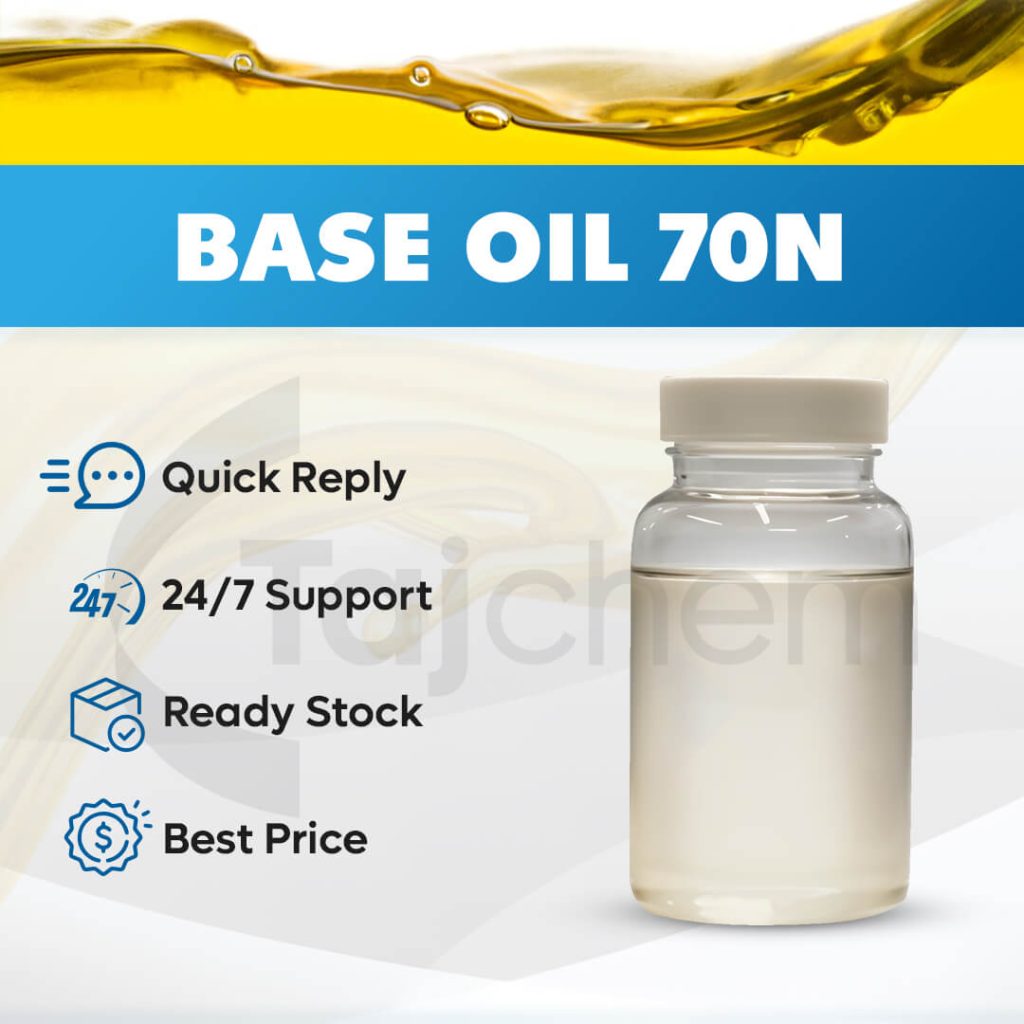
70N Base Oil is a Group II paraffinic oil with low viscosity and high purity, formulated for industrial use—especially for lubricating metal parts subjected to constant friction and harsh operating environments. It has a viscosity of approximately 2.9-3.3 cSt at 100°C.

This base oil is produced by refining heavy distillate fractions of crude oil through advanced processes such as high-pressure hydrocracking and deep dewaxing. These methods effectively eliminate impurities, including sulfur, nitrogen compounds, and metallic residues, resulting in a highly stable and clean base stock. Following refinement, performance-enhancing additives may be introduced to tailor the oil for specific end uses.

Key Characteristics:
  • Paraffinic composition offering strong resistance to thermal and oxidative degradation
  • High purity, with minimal aromatic content and low levels of contaminants
  • Low viscosity, enabling efficient flow and reduced friction in high-speed machinery
Advantages:
  • Improved Oxidation Stability: Offers better resistance to thermal breakdown, extending lubricant life.
  • Enhanced Volatility Control (NOACK): Reduces oil consumption and emissions under high-temperature conditions.
  • Excellent Viscosity Retention: Delivers stable performance over varying temperature conditions.
  • Better Base Number Retention: Helps preserve detergent properties, prolonging engine cleanliness.
  • Minimizes Engine Wear: Ensures dependable protection of metal surfaces under constant load and friction.
Applications:
  • Transformer oil, ink oil
  • Marine oil
  • Industrial gear oil
  • Automatic transmission fluid
  • White oil, process oil
  • Gear oil, Axle oil
  • Metalworking fluids
  • Hydraulic and compressor oils
  • General industrial lubricants
Safe Handling Guidelines:

These lubricants are formulated with highly refined mineral base oils and specific additives. Under normal use, they do not pose significant toxic hazards. However, all lubricants should be handled with care to ensure safety and environmental protection.

Precautions:

Avoid prolonged or repeated contact with skin. Prevent splashing and exposure to combustible materials. Always store in a covered area, away from sources of pollution. Dispose of used oil responsibly—never pour it into drains, watercourses, or onto the ground.

Base Oil 60N

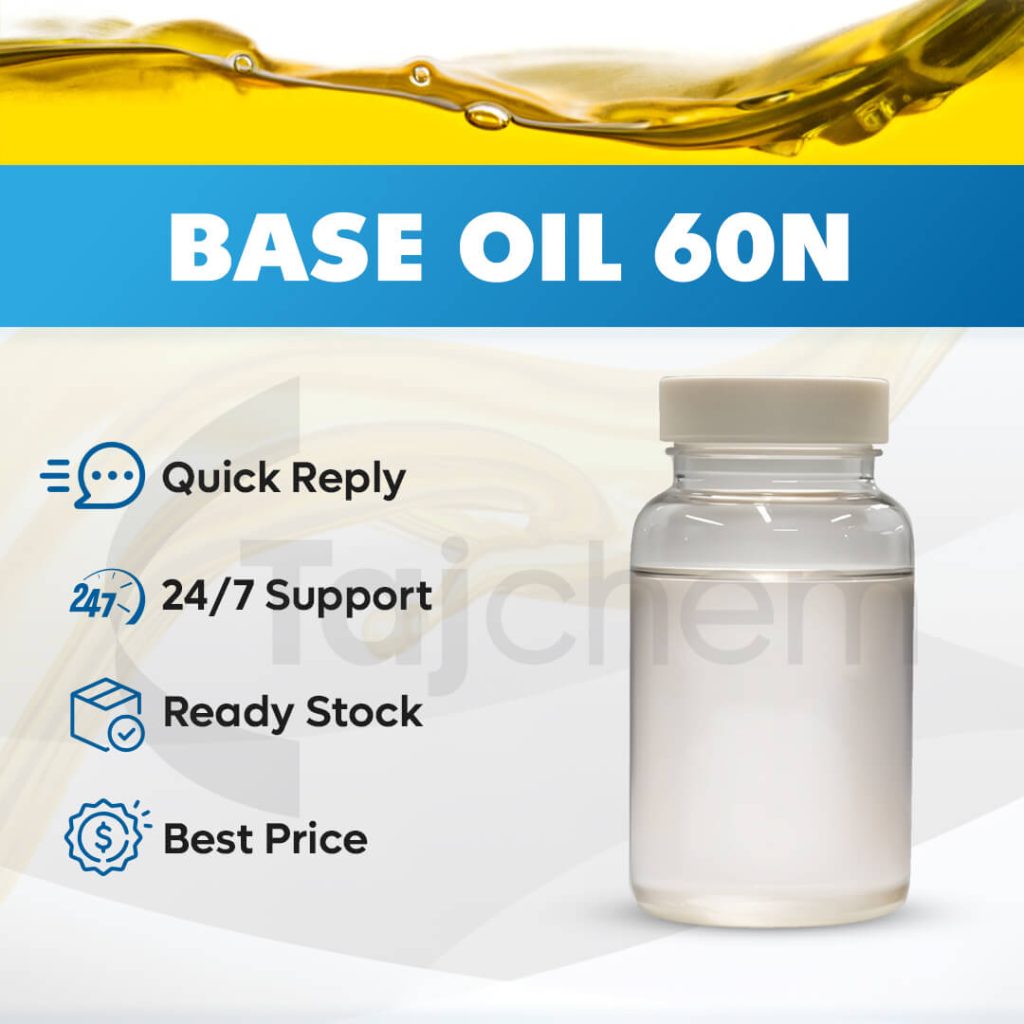
This product is derived from atmospheric and vacuum distillate oils and refined through an integrated process that includes solvent extraction, dewaxing, deasphalting, and either bleaching or supplemental hydrogenation, followed by high-pressure hydrofinishing. With a viscosity of approximately 2.6-3.2 cSt at 100°C.

Product Features:
  • High Purity: Deep hydrogenation ensures a high content of saturated hydrocarbons with minimal aromatic and harmful impurities.
  • Excellent Low-Temperature Performance: Offers good fluidity in low-temperature conditions.
  • Electrical Insulation: Provides strong dielectric properties, making it suitable for electrical applications.
  • Oxidation Stability: Demonstrates superior oxidation resistance, prolonging service life.
  • Water Separation: Excellent demulsification and anti-emulsification performance for reliable operation in challenging environments.
Applications:

Automotive Oils:

  • Gasoline and Diesel Engine Oils
  • Gear Oils
  • Shock Absorber Oils

Industrial Oils:

  • Hydraulic Oils
  • Turbine Oils
  • Compressor Oils
  • Vacuum Pump Oils
  • Bearing Lubricants
Safe Handling Guidelines:

These lubricants are formulated with highly refined mineral base oils and specific additives. Under normal use, they do not pose significant toxic hazards. However, all lubricants should be handled with care to ensure safety and environmental protection.

Precautions:

Avoid prolonged or repeated contact with skin. Prevent splashing and exposure to combustible materials. Always store in a covered area, away from sources of pollution. Dispose of used oil responsibly—never pour it into drains, watercourses, or onto the ground.