
Products

Products

ZINC DUST

A fine metallic zinc powder used as an anti-corrosive pigment in primers and protective coatings. It provides cathodic protection for steel structures and marine applications.

Properties:
  • Appearance: A fine, bluish-gray metallic powder.
  • Reactivity: Highly reactive, particularly in acidic and alkaline conditions.
  • Solubility: Insoluble in water but soluble in acids and alkalis.
  • Corrosion Prevention: Provides cathodic protection, creating a protective layer that prevents rust and corrosion.
Applications:
  • Anti-Corrosion Coatings: The primary use is in zinc-rich paints and coatings to protect steel and other metals from corrosion in industrial, marine, and automotive applications.
  • Chemical Industry: Reducing Agent: Used in organic synthesis, metal purification, and recovery processes.
  • Desulfurization: Removes sulfur compounds from fuels.
  • Precursor: A starting material for various zinc salts and compounds.
  • Rubber and Plastics: Improves strength, ductility, durability, and resistance to UV and ozone degradation.
  • Batteries: Serves as an anode material in zinc-carbon and zinc-air batteries.
  • Pharmaceuticals and Cosmetics: Incorporated into skin ointments and creams for its antimicrobial properties and used in various drug formulations and health supplements.
  • Agriculture: Used as a micronutrient supplement in fertilizers to promote healthy plant growth.
  • Fireworks: Used to create bright, glowing effects
DESMODUR N75

An aliphatic polyisocyanate (HDI biuret) with ~75% solids in solvents, used as a curing agent for lightfast two-component polyurethane coatings. It delivers excellent gloss retention, outstanding chemical resistance, and long-lasting weather durability.

Properties:
  • Hardener: It serves as the reactive component that cures the polyurethane system.
  • Chemical & Weather Resistance: Formulations using DESMODUR N 75 exhibit high resistance to chemicals and adverse weather conditions.
  • Lightfastness: As an aliphatic polyisocyanate, it ensures the lightfastness of the coating, meaning it resists yellowing from UV exposure.
  • Mechanical Properties: It contributes to outstanding mechanical strength and durability.
  • Gloss Retention: Coatings cured with this hardener maintain their gloss for a long time.
Applications:
  • Automotive and Industrial Finishing: Used in coatings for vehicles and industrial equipment.
  • Wood & Furniture Coatings: Ideal for protective and decorative coatings for wood and furniture.
  • Plastics: Applied in coatings for various plastic substrates.
  • Corrosion Protection: Utilized in formulations designed to protect against corrosion.
  • Light-Fast Coatings: Suitable for any application requiring light-stable and long-lasting performance.

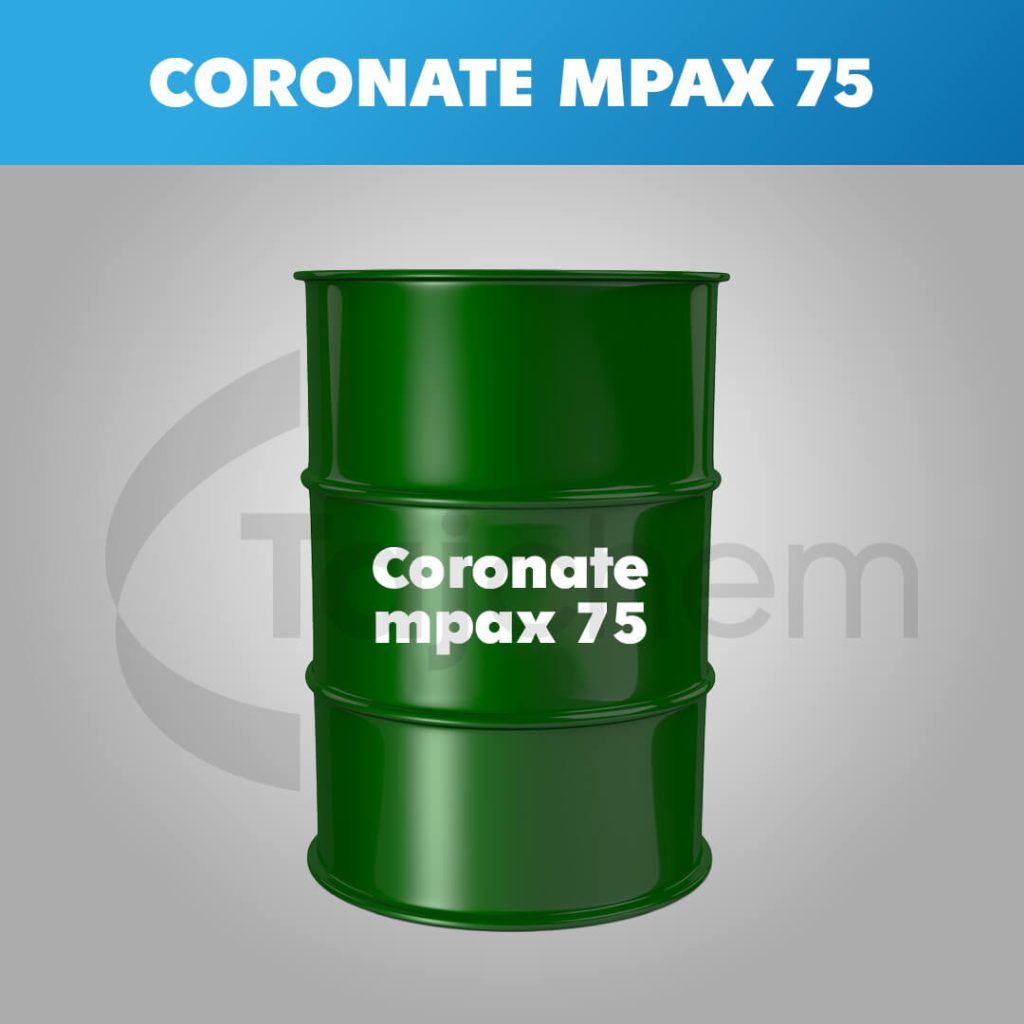
CORONATE MPAX 75

An HDI-based modified polyisocyanate hardener (75% solids) used in two-component, non-yellowing polyurethane coatings. It offers excellent weather resistance, durability, and compatibility with polyols for automotive and industrial finishes

Properties:
  • Exceptional UV & Weather Resistance: Prevents yellowing and degradation, ideal for outdoor applications.
  • High Chemical & Abrasion Resistance: Ensures long-term protection in harsh environments.
  • Strong Crosslinking Properties: Enhances mechanical strength, adhesion, and surface hardness.
  • Fast Curing: Achieves tack-free and dry-through times efficiently.
  • Non-Yellowing: Maintains original color and gloss over time.
  • Excellent Adhesion: Works well on a variety of surfaces.
    High Solubility: Compatible with many polyols.
Applications:
  • Automotive Refinishes & Coatings: Forms non-yellowing paints with superior durability and aesthetic appeal.
  • Industrial Coatings: Provides excellent resistance to chemicals and abrasion for long-lasting protection.
  • Wood Finishes: Enhances the properties of coatings for wood surfaces.
  • Aerospace & Transportation Coatings: Offers high performance and durability under extreme conditions.
  • Plastic & Metal Finishing: Improves adhesion, flexibility, and protection on various substrates.

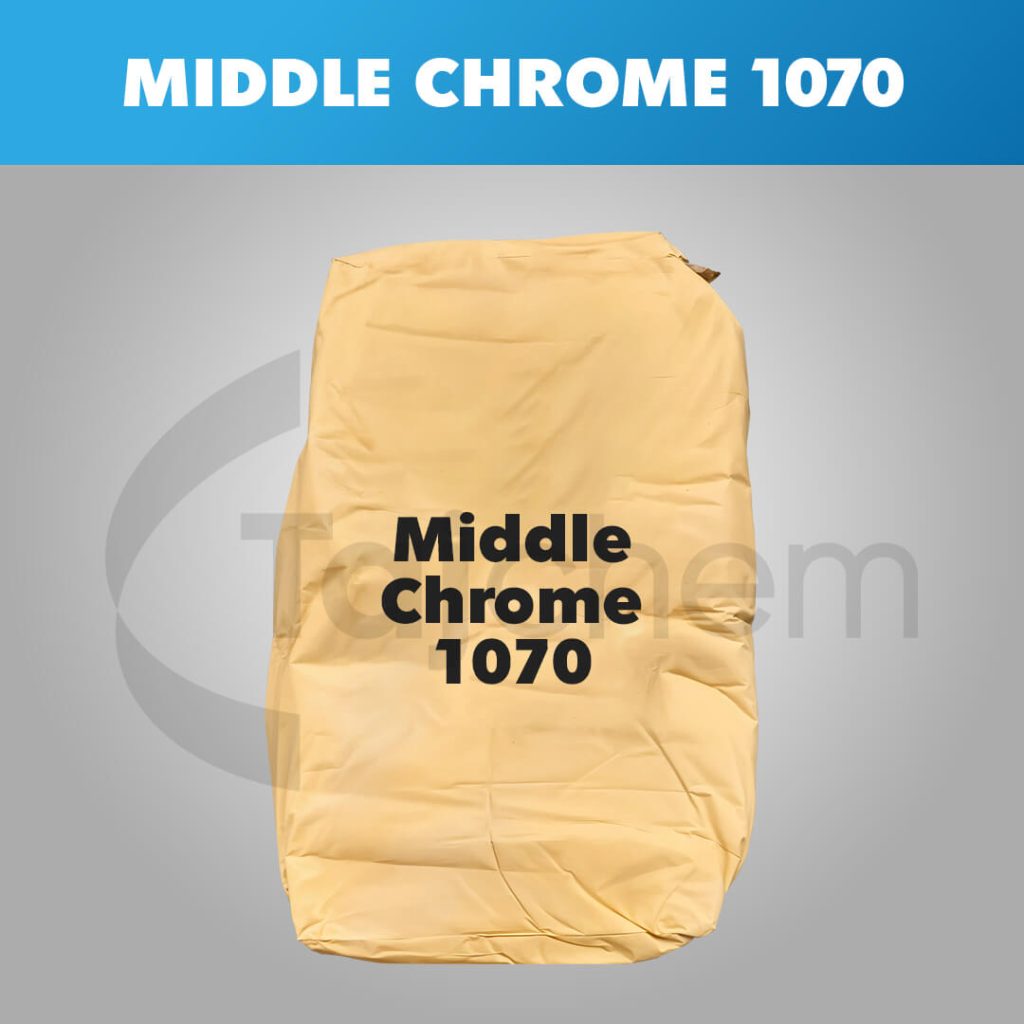
MIDDLE CHROME

A lead sulfochromate yellow pigment with excellent opacity and lightfastness. Commonly used in industrial paints, powder coatings, and printing inks for rich, stable color.

Properties:
  • Color Fastness: Excellent light and weather fastness in both full and reduced shades.
  • Heat Stability: Exhibits good resistance to heat.
  • Dispersibility: Offers good dispersion characteristics, making it easy to mix into various media.
  • Chemical Resistance: Provides good resistance to acids and solvents, but poor resistance to alkalis.
  • Wetting Property: Offers good wetting properties in liquid applications.
Applications:
  • Paints & Coatings: Widely used in synthetic enamels, liquid inks, air-drying, stoving, automotive, and powder coatings.
  • Inks: Used in various types of inks, including offset, screen, and liquid inks.
  • Plastics: Employed as a pigment in masterbatch additives for PVC, polyolefins (PP, HDPE, LDPE), and other plastics.
  • Other uses: Recommended for road markings, paper coatings, and emulsion paints.

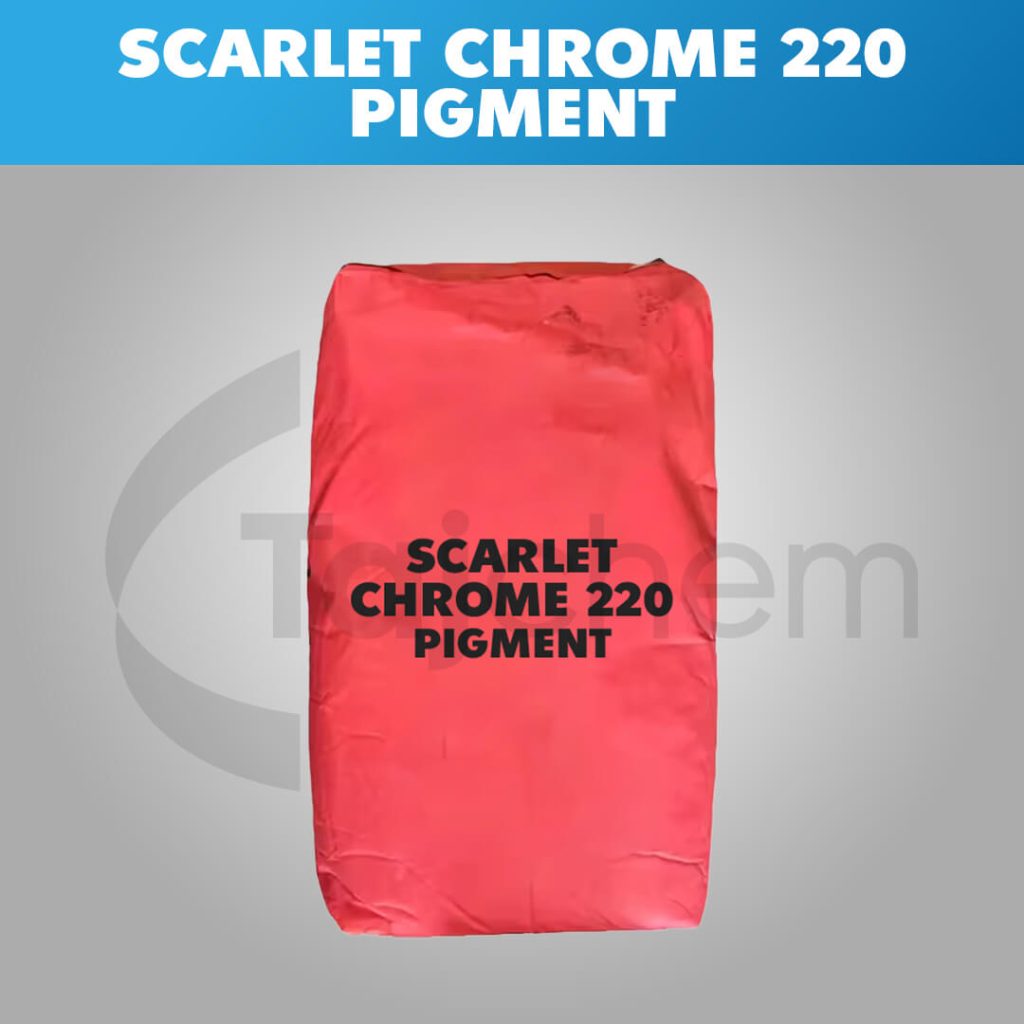
SCARLET CHROME

A molybdate orange pigment (Lead Chromate Molybdate Sulfate Red) offering high color strength and heat resistance. Ideal for automotive, industrial coatings, and decorative paints.

Applications:
  • Paints & Coatings: Automotive finishes, synthetic enamels, air-drying paints, stoving paints, powder coatings, and protective coatings.
  • Printing Inks: Gravure, flexo, sheet-fed offset, web offset, newspaper, screen, UV, and liquid inks.
  • Plastics & Rubber: PVC, polyolefins (PP, HDPE, LDPE), masterbatches, synthetic leather, and rubber.

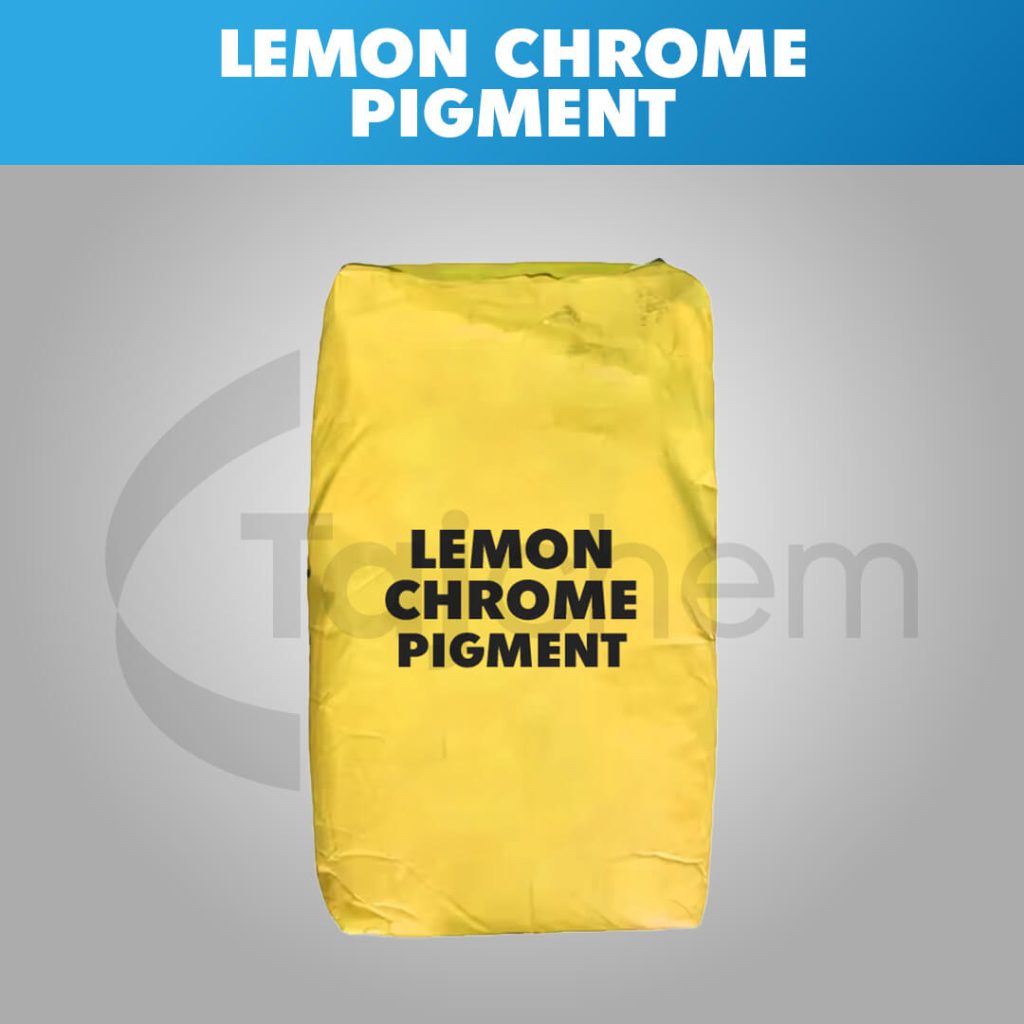
LEMON CHROME

A bright yellow pigment (Lead Chromate) with strong hiding power and good weather resistance. Used in industrial paints, coatings, and plastics for vibrant color and durability.

Properties:
  • Color: A bright, greenish-yellow shade.
  • Chemical Composition: An inorganic pigment, often a lead chromate material.
  • High Color Strength: Provides a strong, brilliant color and high hiding power.
  • Thermal Stability: Stable at high temperatures, making it suitable for heat-curing applications like automotive coatings.
  • Resistance: Offers good resistance to light, weathering, and acids, but has poor alkali resistance.
  • Solubility: Not soluble in water or oils but can be dissolved in alkali solutions and inorganic acids, with a risk of reacting with hydrogen sulfide.
  • Density & Dispersion: Has a specific gravity of around 5 and features good dispersion strength in various media.
Applications:
  • Paints & Coatings: Widely used in industrial paints, automotive finishes, architectural coatings, and marine coatings.
  • Inks: Incorporated into printing inks for gravure, flexo, offset, and screen printing.
  • Plastics: Suitable for coloring plastics, synthetic leather, and other polymer applications.
  • Other Uses: Found in refractories, brake linings, and as a raw material for chromium metal production.

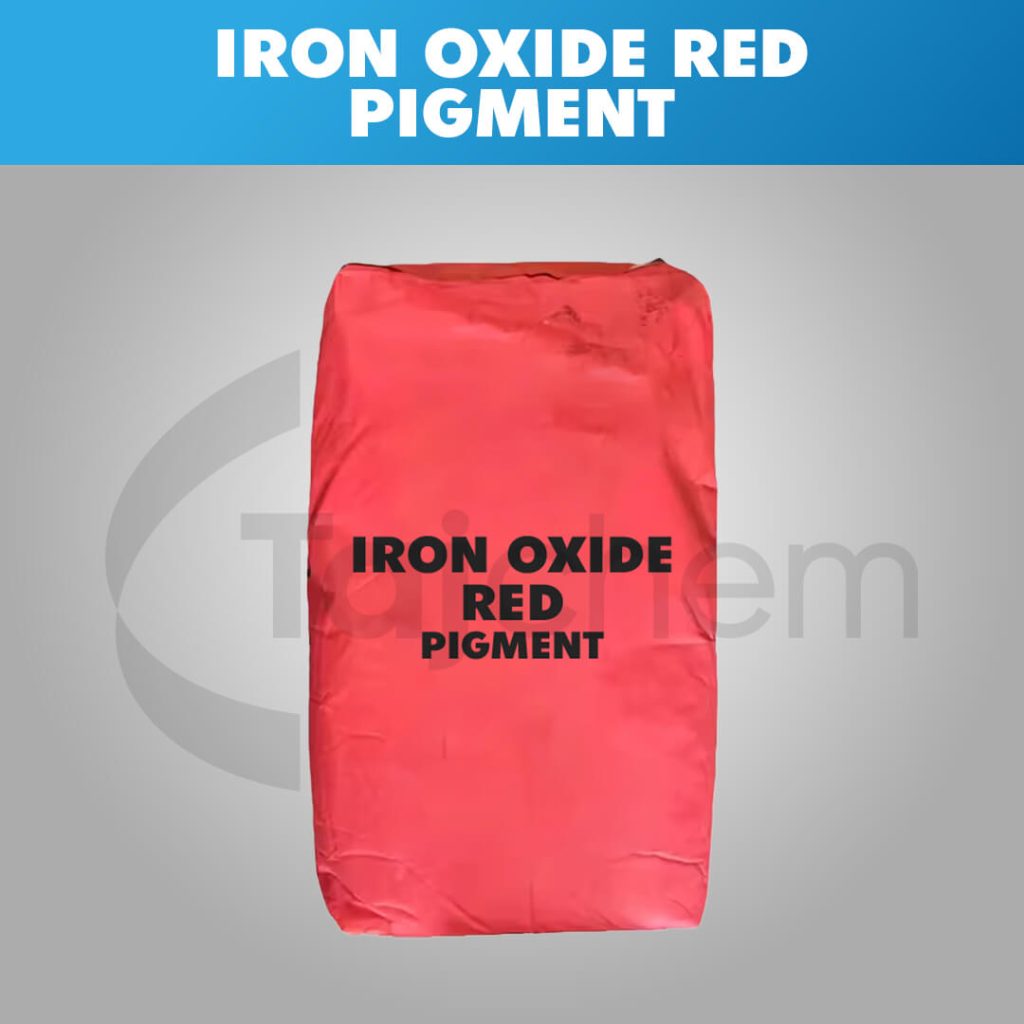
IRON OXIDE RED

A synthetic iron oxide pigment (Pigment Red 101, Fe₂O₃) known for its rich, earthy red color, outstanding opacity, and durability. It is widely used in primers, industrial coatings, cement products, and decorative paints due to its excellent weather resistance and non-toxic nature.

Properties:
  • Color & Pigmentation: Possesses bright, pure red colors, with excellent tinting strength and covering power.
  • Stability: It is a highly stable pigment, non-toxic, and offers excellent lightfastness and weather resistance, even under harsh conditions.
  • Chemical Resistance: Exhibits strong resistance to acids and alkalis, making it suitable for a variety of formulations.
  • Heat Resistance: Offers high temperature resistance, maintaining its color and integrity when exposed to heat.
  • Dispersibility: Good dispersibility in water-based and oil-based systems, allowing for consistent and effective application.
  • UV Absorption: Has ultraviolet (UV) radiation absorption properties, which enhance the performance of paints and coatings.
Applications:
  • Coatings and Paints: Widely used in oil paints, spray paints, anti-rust coatings, and marine paints.
  • Construction Materials: Employed to color concrete, roof tiles, paving stones, and other cement-based materials.
  • Ceramics and Plastics: A favored colorant for plastics, ceramics, and glass products due to its heat stability and durability.
  • Mechanical Applications: Serves as a good polishing abrasive in mechanical processes due to its polishing ability.
  • Cosmetics: Used in makeup and calamine lotion for its coloring.

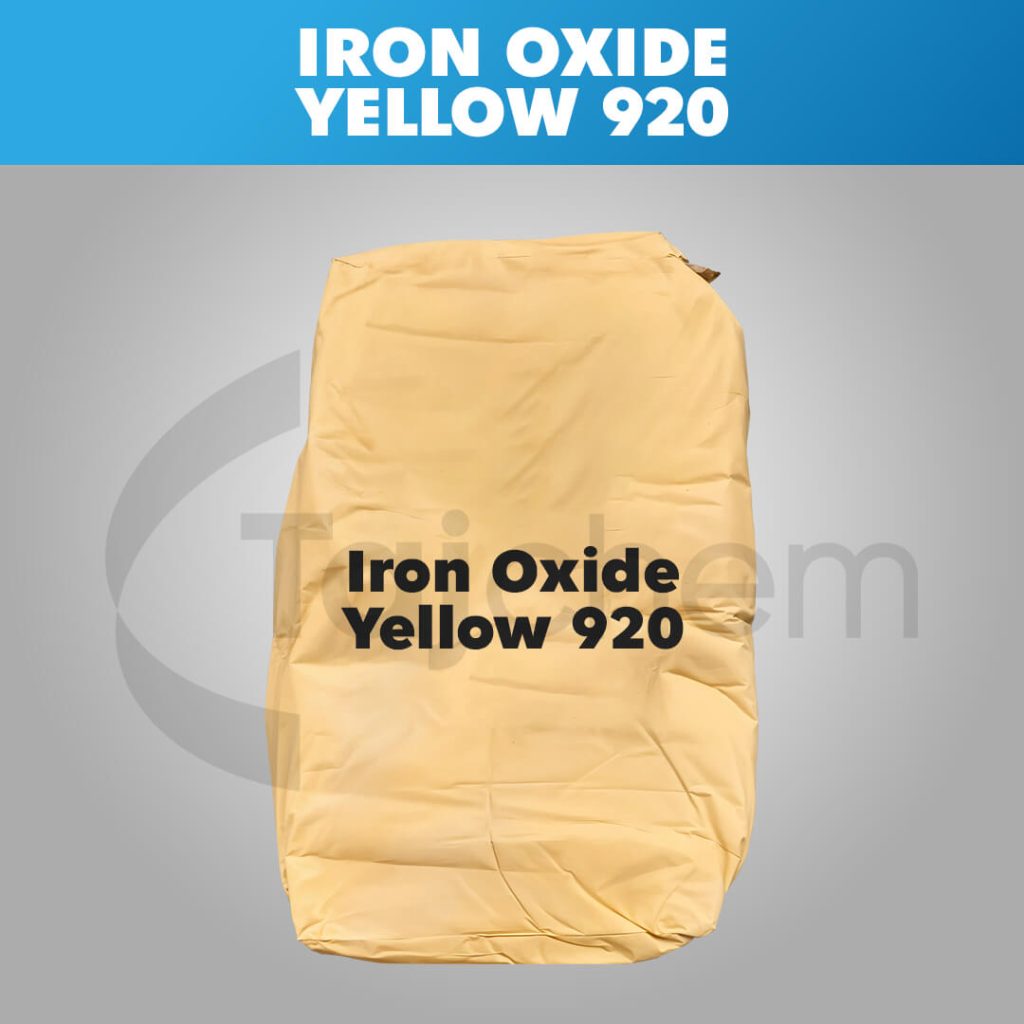
IRON OXIDE YELLOW

A synthetic iron oxide yellow pigment (Pigment Yellow 42, α-FeOOH) supplied as a fine powder. It offers excellent lightfastness, weather resistance, and chemical stability, making it ideal for paints, coatings, plastics, rubber, and construction materials like concrete and paving blocks.

Properties:
  • Color & Opacity: Offers a bright, pure yellow color with excellent hiding power.
  • Stability: Possesses good weather-proofing, lightfastness, and UV stability, ensuring color doesn’t fade in sunlight.
  • Chemical Resistance: It is non-reactive with alkalis and weak acids, providing excellent alkali resistance.
  • Toxicity: It is non-toxic, making it a safe choice for applications in cosmetics, food packaging, and toys.
  • Dispersibility: Disperses well in both aqueous and solvent-based systems.
  • Corrosion Resistance: Can enhance the anti-rust properties of paint.
Applications:
  • Coatings: Used in architectural coatings, wood, automotive, and metal coatings.
  • Construction: Applied as a permanent colorant for concrete products and building materials.
  • Plastics & Rubber: Serves as a coloring agent for plastics and rubber products.
  • Paper & Ink: Used for coloring paper and in printing inks.
  • Cosmetics & Personal Care: Incorporated into cosmetics and skincare products due to its non-toxic nature.
  • Food & Packaging: Used as a colorant in some confectionery and in food contact packaging.

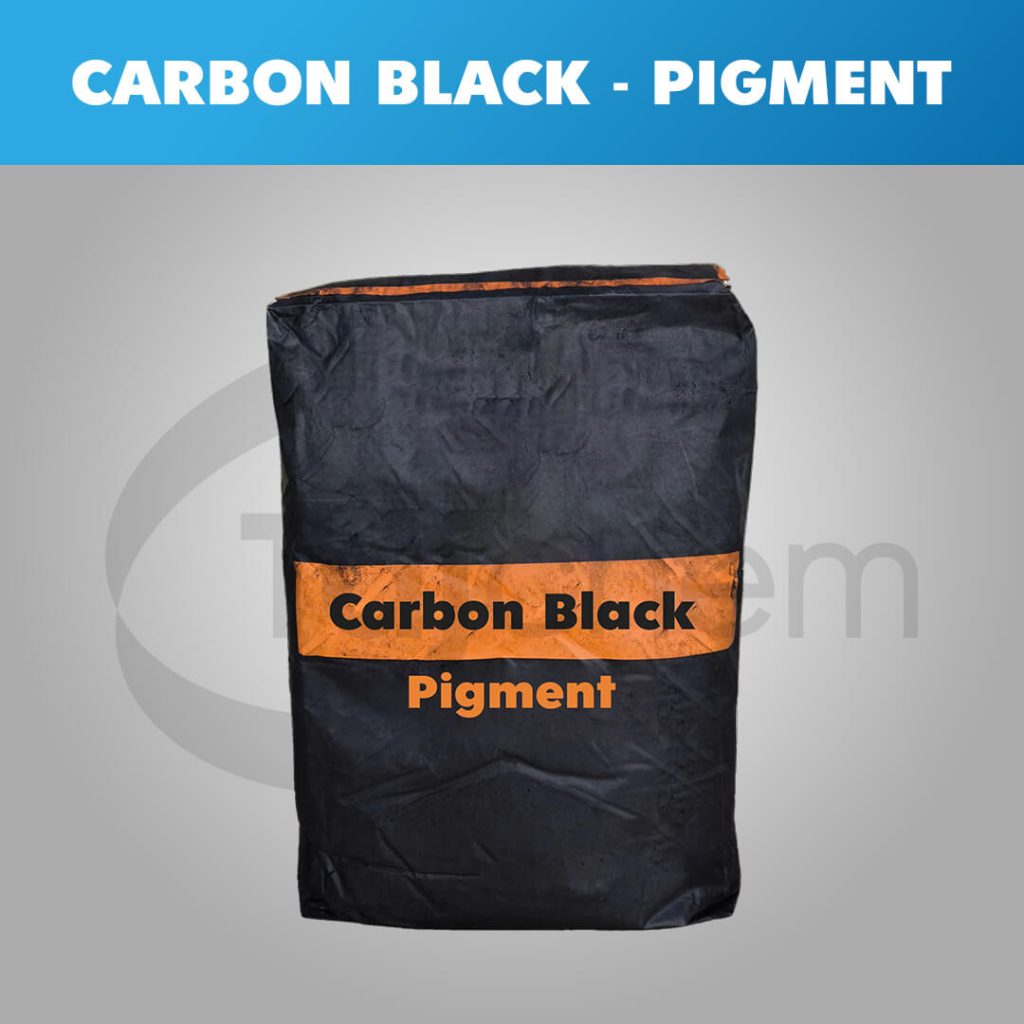
CARBON BLACK

A fine black pigment produced by incomplete combustion of hydrocarbons, offering high tinting strength and UV protection. Commonly used in coatings, inks, plastics, and rubber reinforcement

Properties:
  • Reinforcement: Enhances the tensile strength, abrasion resistance, and tear resistance of rubber and other polymers.
  • UV Protection: Absorbs ultraviolet radiation, protecting polymers and other materials from degradation caused by UV light.
  • Electrical Conductivity: Provides excellent electrical conductivity to various materials, making it useful in electronic components and conductive plastics.
  • Colorant: Imparts a deep, jet black color and high tinting strength to inks, paints, and plastics.
  • Chemical Inertness: It is chemically stable and resistant to acidic and basic media.
  • High Surface Area: Its porous nature and large surface area are crucial for applications in catalysis and adsorption.
Applications:
  • Automotive: Used in tires for reinforcement, durability, and heat control.
  • Rubber Products: Enhances mechanical properties in belts, hoses, and gaskets.
  • Plastics and Films: Used as a filler and pigment to provide color, UV protection, and conductivity.
  • Inks, Paints, and Coatings: Acts as a high-performance pigment for jetness and protection in printing inks and coatings.
  • Electronics: Employed in components, toners, and batteries to provide conductivity and enhance performance.
  • Food and Packaging: Used as a colorant for food (when vegetable-based, E153) and as a UV absorber in packaging films.

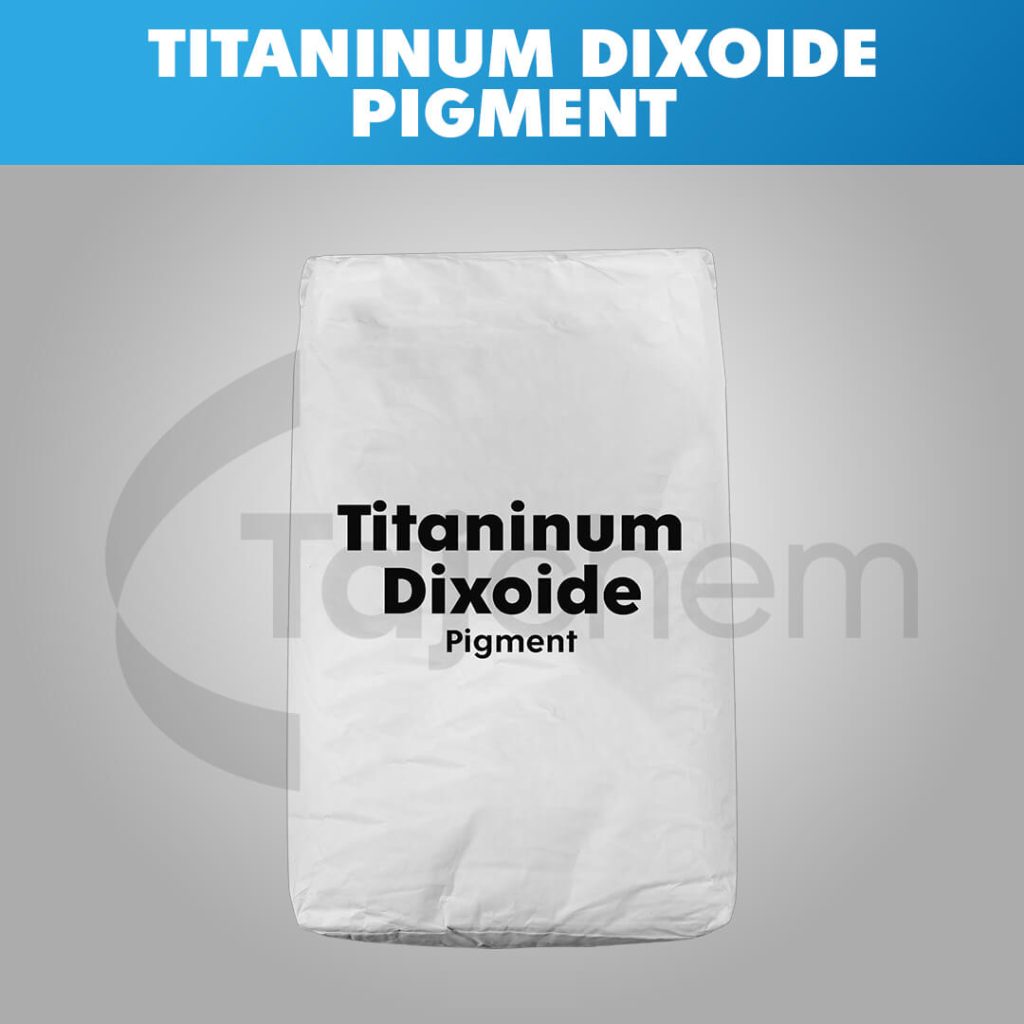
TITANIUM DI OXIDE

Titanium dioxide (TiO₂) is a white, opaque inorganic pigment renowned for its exceptional brightness, opacity, and UV resistance. It is extensively used in paints, coatings, plastics, and inks to ensure superior coverage and long-lasting durability.

Properties:
  • UV Absorption: It absorbs and reflects ultraviolet (UV) light, protecting from UV rays in sunscreens and coatings.
  • Chemical Stability: It is a stable, non-toxic, and inert material, making it suitable for various applications.
Applications:
  • Pigment: A major use is as a white pigment in paints, plastics, paper, and inks, providing excellent coverage and color.
  • Cosmetics & Sunscreens: It’s used in sunscreens and cosmetic products to provide UV protection and impart whiteness.
  • Food Coloring: Food-grade TiO₂ is used to enhance the color and brightness of various food products.
  • Self-Cleaning Surfaces: TiO₂’s photocatalytic properties enable self-cleaning and air purification in coatings and textiles.
  • Gas Sensors: Its ability to change electrical resistance when interacting with gases allows it to function as a gas sensor
  • Biomedical Applications: It holds promise in cancer treatment through photodynamic and photothermal therapies and for advanced medical imaging.